
Arabic cursive letter shapes often seem like a shifting puzzle to young children who have just mastered their isolated alphabet flashcards. In Arabic script, letters are dynamic team players: they stretch out welcoming hands to connect with neighbors, tuck their tails away, or stand proud and tall at the end of a sentence. When early learners do not understand why and how characters transform across initial, medial, and final slots, reading progress hits an immediate wall.
Cracking this visual code is the single biggest turning point in early literacy. Once children see the logical patterns behind connected handwriting, mysterious script turns into readable, flowing words.
Why Decoding Arabic Cursive Letter Shapes Matters
Targeted mastery of Arabic cursive letter shapes bridges the critical gap between recognizing single sounds and reading full paragraphs:
- Eliminates Visual Hesitation: Children immediately identify root characters inside joined words without pausing to guess.
- Demystifies “Non-Connecting” Letters: Clearly demonstrates how the six friendly rebel letters (Alif, Daal, Dhaal, Raa, Zay, Waw) connect to preceding letters but refuse to link forward.
- Refines Baseline Penmanship: Teaches kids when letters stay flat on the line versus when their cursive tails drop beneath it.
- Accelerates Word Decoding: Smooths the transition into foundational reading programs like Noor Al-Bayan and primary school readers.
Inside This Multi-Position Practice Workbook
Crafted to make connected letter practice visual, intuitive, and pressure-free, this printable guide offers structured support:
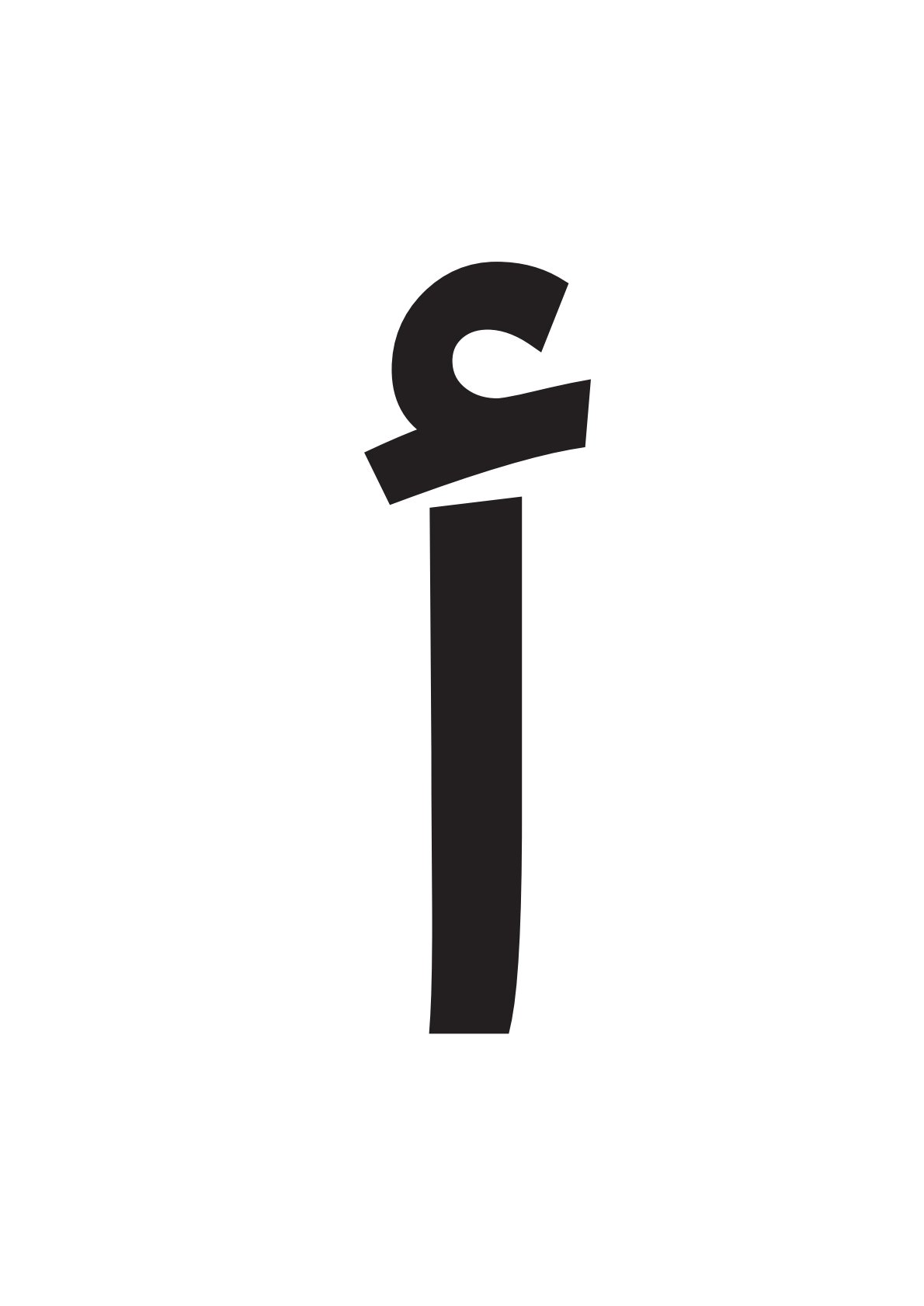
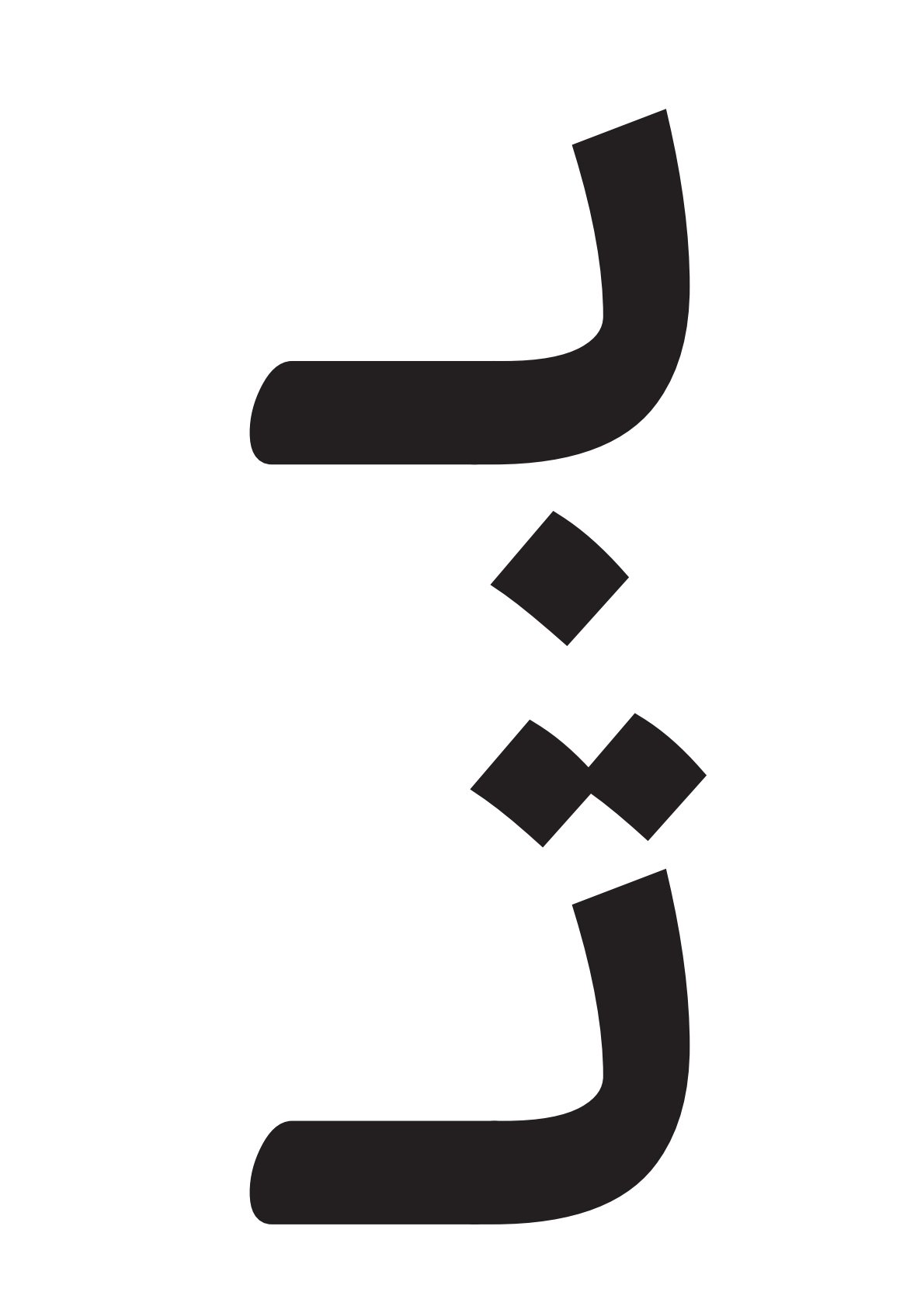
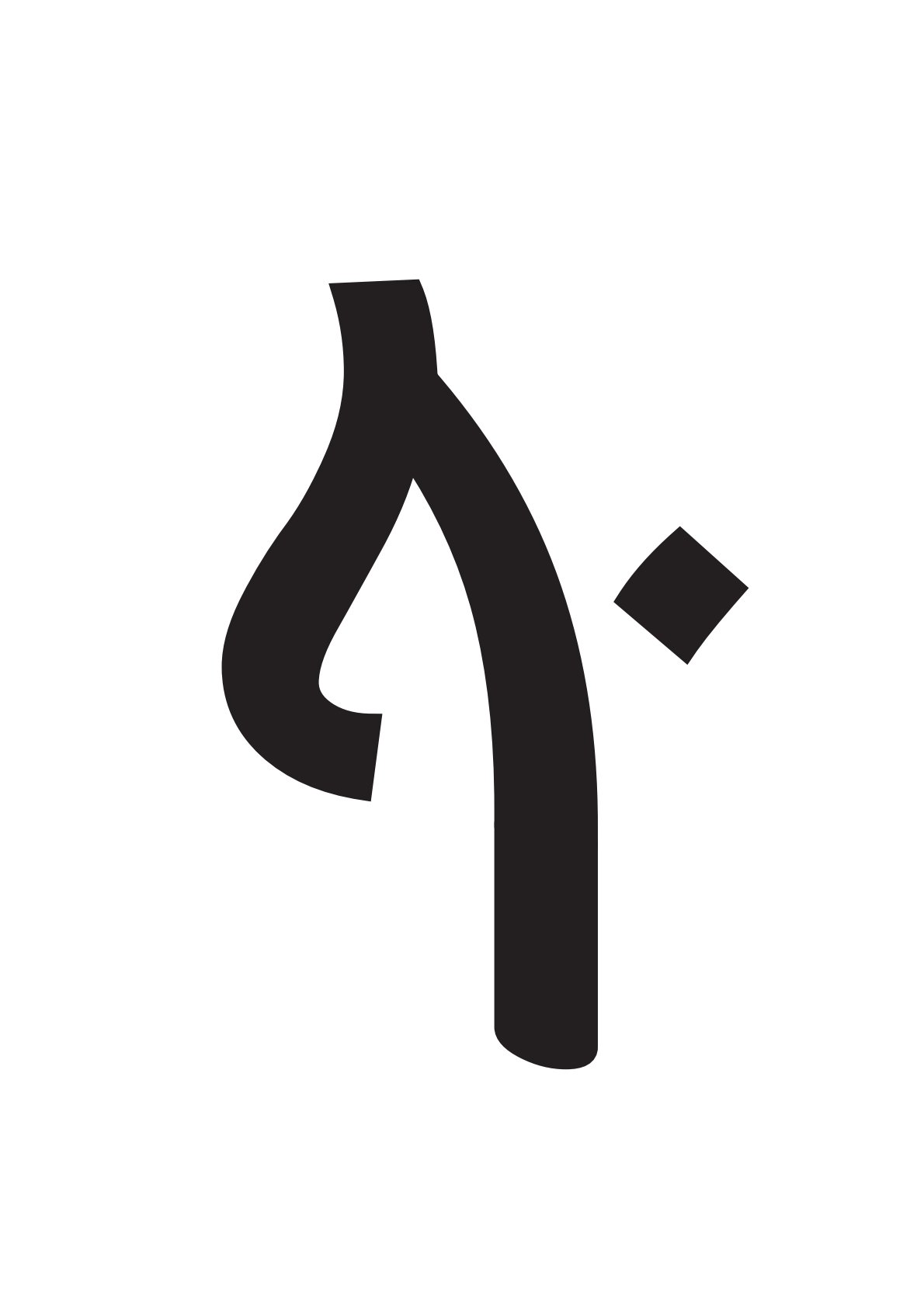
- Complete Positional Breakdown: Features every letter laid out clearly across its isolated, beginning, middle, and ending configurations.
- Color-Coded Visual Anchors: Strategic visual cues highlight exactly where connecting strokes attach and release.
- Child-Centric Visual Balance: Generous handwriting spaces and clean fonts ensure little writers never feel crowded.
- Instant Ready-to-Print PDF: No prep required—print on demand for homeschooling lessons, primary classroom centers, or remedial revision.
Hands-On Ways to Reinforce Connected Writing
To turn handwriting practice into an interactive habit at home or school, try these quick sensory techniques:
- The “Holding Hands” Game: Have children stretch out their arms to act out how friendly letters hold hands with both neighbors or keep one hand to themselves.
- Highlighter Hunt: Print a short, large-print sentence and have your learner use highlighters to spot initial shapes in yellow and final shapes in green.
- Trace and Connect in Air: Encourage your child to trace the continuous cursive flow in the air before committing ink to paper.
Images from Arabic Cursive Letter Shapes
Arabic Cursive Letter Shapes: The Secret Code to Fluent Early Reading
For easy, free direct downloading, the memorandum was also displayed in PDF format. We presented this file to you from the kidslearningarabic blog If it indicated that there was an error. I hope you will leave that in the comments below.
Read also in Arabic: Arabic Cursive Letter Shapes: The Secret Code to Fluent Early Reading