
Arabic alphabet reinforcement worksheets are the essential bridge between introducing letter sounds and achieving true, lasting literacy fluency. When young learners first encounter the alphabet, memorizing 28 unique shapes can easily lead to cognitive overload. Without targeted reinforcement, children often confuse similar characters, hesitate during phonics blending, or lose writing momentum.
A dedicated consolidation workbook anchors each letter deeply into a child’s visual and muscle memory. Here is why structured reinforcement sheets are a must-have resource for parents, homeschoolers, and early primary educators.
Why Use Arabic Alphabet Reinforcement Worksheets?
Consistent practice with Arabic alphabet reinforcement worksheets transforms tentative beginners into confident, independent readers:
- Anchors Visual Memory: Solidifies the connection between spoken letter sounds and their written symbols.
- Prevents Character Confusion: Trains the eyes to instantly tell look-alike letters apart, such as Jeem, Haa, and Khaa.
- Reinforces Handwriting Strokes: Guides young fingers to trace and write letters with correct directionality and neat baseline habits.
- Sets Up Phonics Readiness: Prepares early learners smoothly for short vowels (Harakat) and classical curricula like Noor Al-Bayan.
Highlights of These Arabic Alphabet Reinforcement Worksheets
Thoughtfully created with early childhood pedagogy in mind, this printable learning booklet combines fun with academic structure:
- Comprehensive Letter Coverage: Systematically reviews every letter from Alif to Yaa without skipping a single sound.
- Child-Friendly Visuals: Features engaging illustrations and clear, uncluttered fonts designed to hold little learners’ attention.
- Multi-Activity Design: Blends tracing, matching, and coloring exercises to accommodate diverse learning styles.
- Ready-to-Print PDF: Instant, no-prep download formatted for easy home printing or quick classroom warm-ups.
Simple Tips for Arabic Alphabet Reinforcement Worksheets
To make practice time an encouraging daily habit, keep these practical parent tips in mind:
- Keep Practice Brief: Dedicate 10 focused minutes each day instead of overwhelming your child with long study marathons.
- Combine Sound with Touch: Have your child pronounce the letter aloud while tracing the contours with their finger or a colorful crayon.
- Praise Daily Progress: Celebrate small wins and neat handwriting to build genuine enthusiasm for learning Arabic.
Images from Arabic Alphabet Reinforcement Worksheets
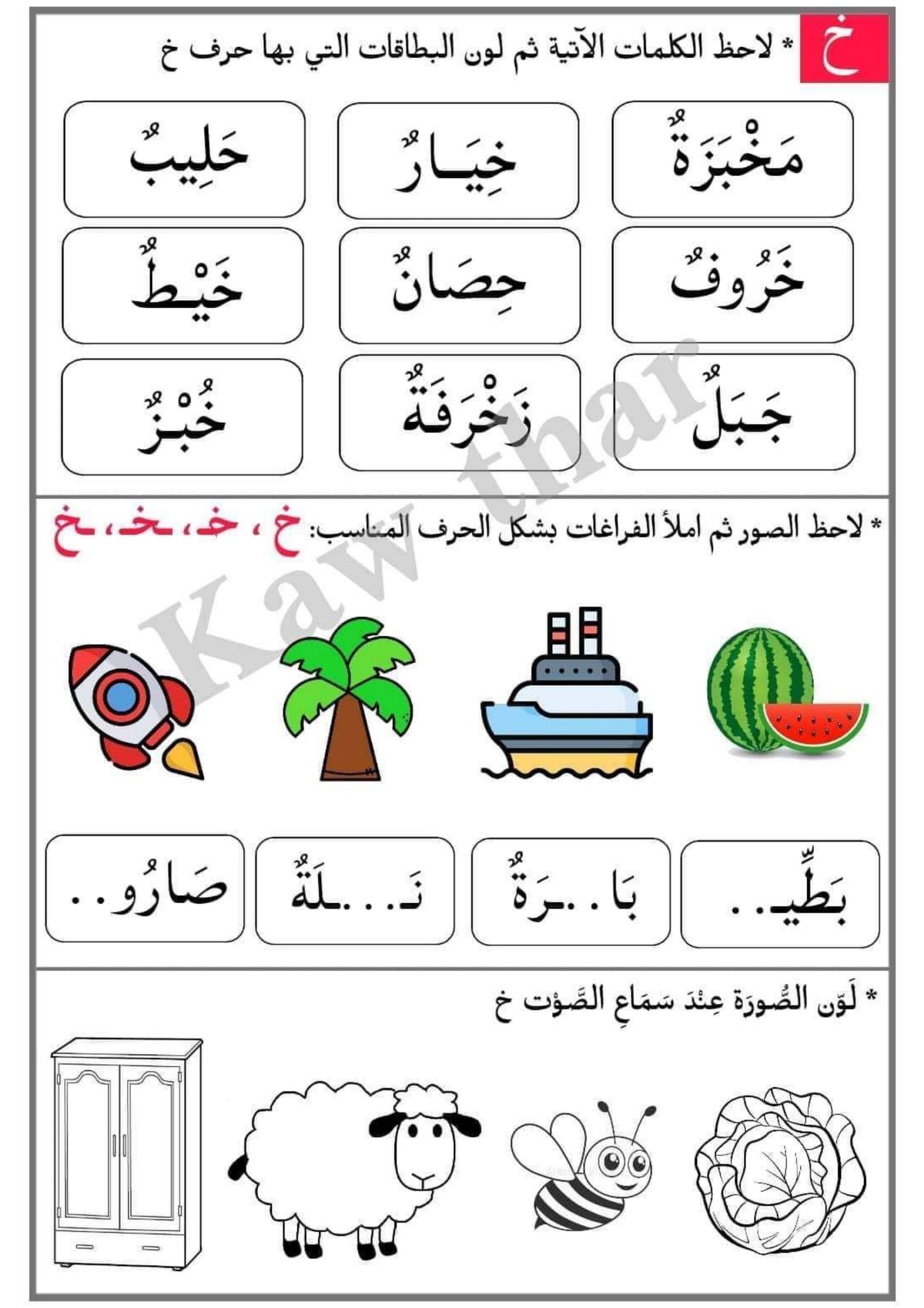
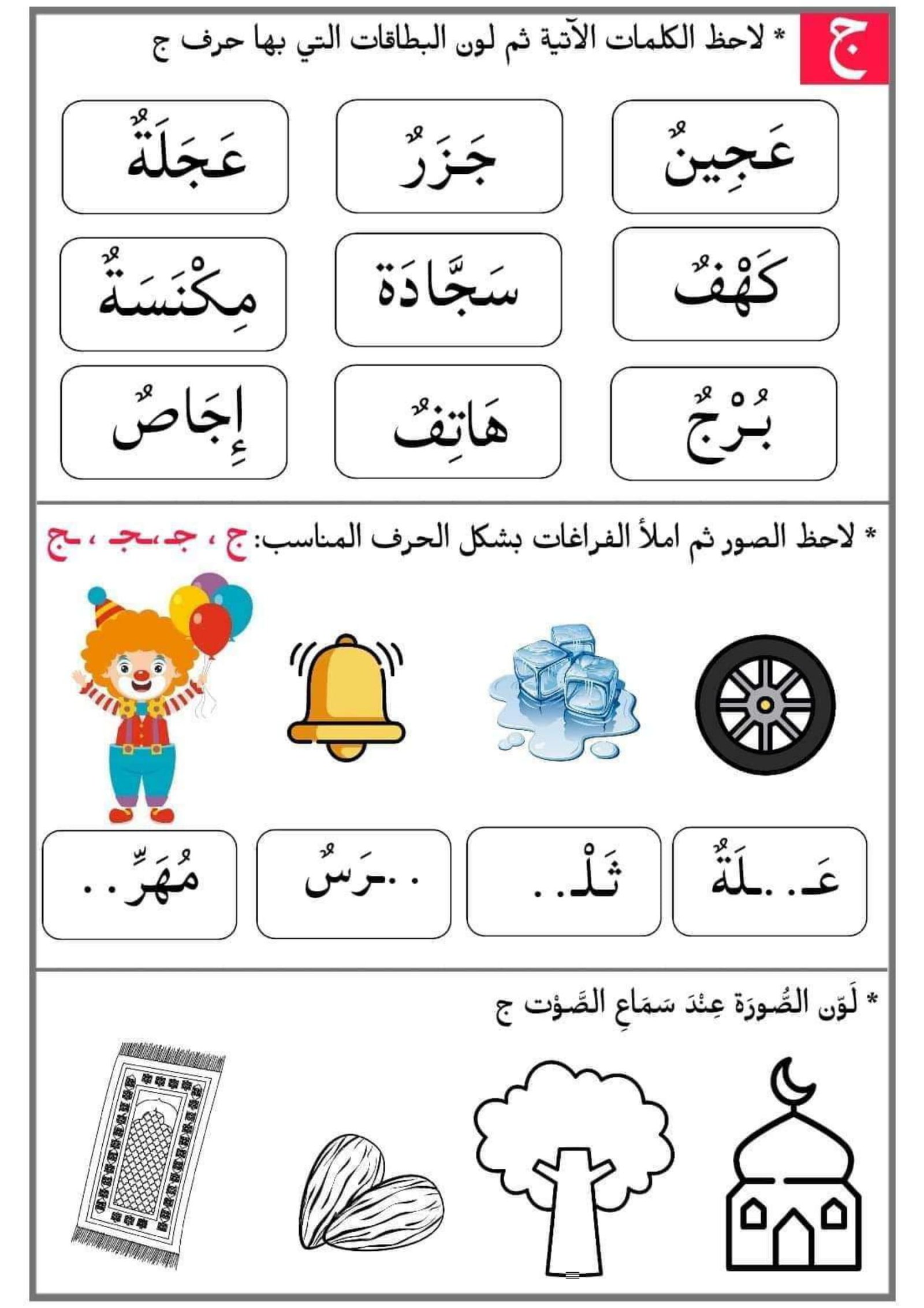

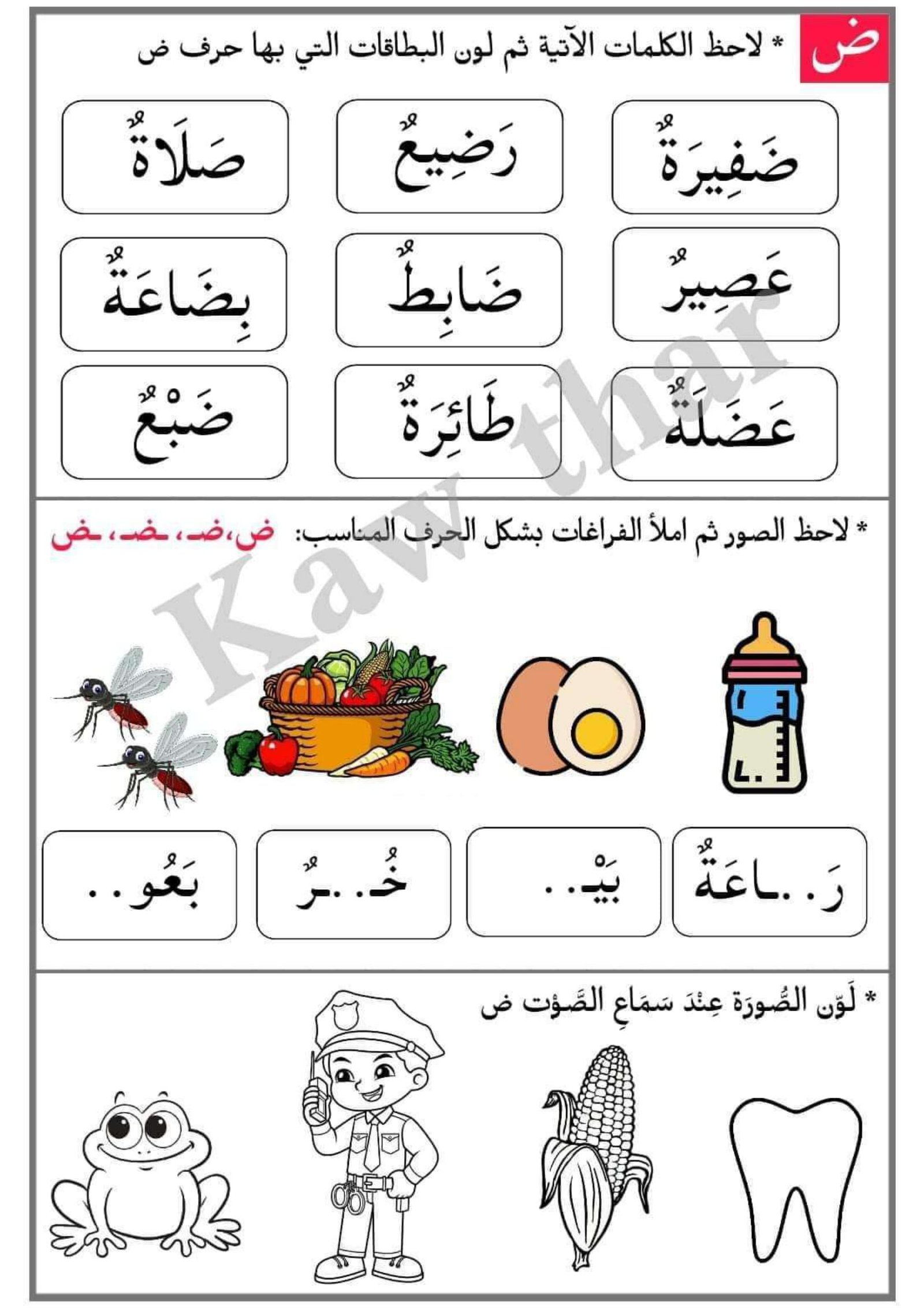
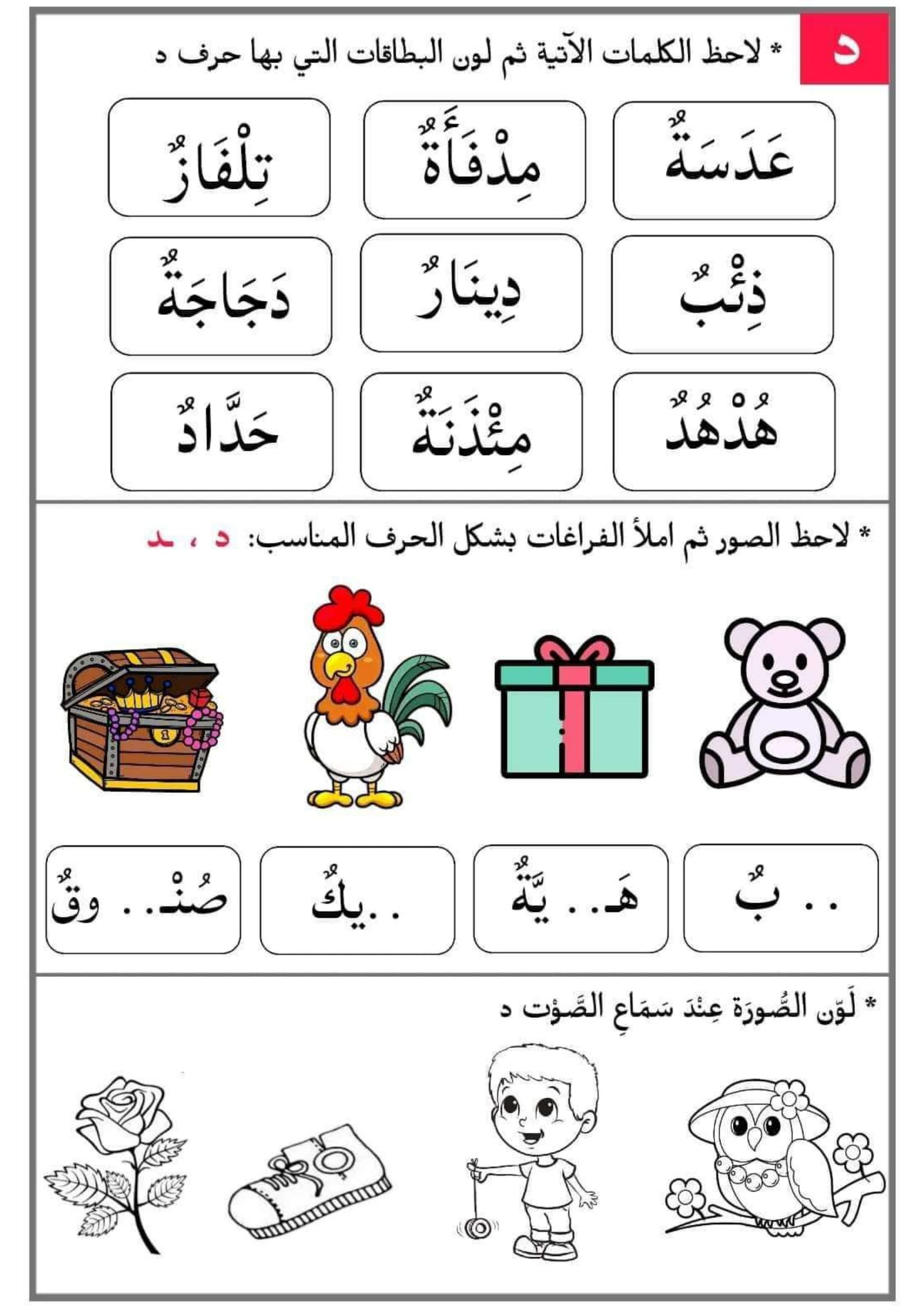
Arabic Alphabet Reinforcement Worksheets: The Best Printable Guide for Kids
For easy, free direct downloading, the memorandum was also displayed in PDF format. We presented this file to you from the kidslearningarabic blog If it indicated that there was an error. I hope you will leave that in the comments below.
Read also in Arabic: Arabic Alphabet Reinforcement Worksheets: The Best Printable Guide for Kids