
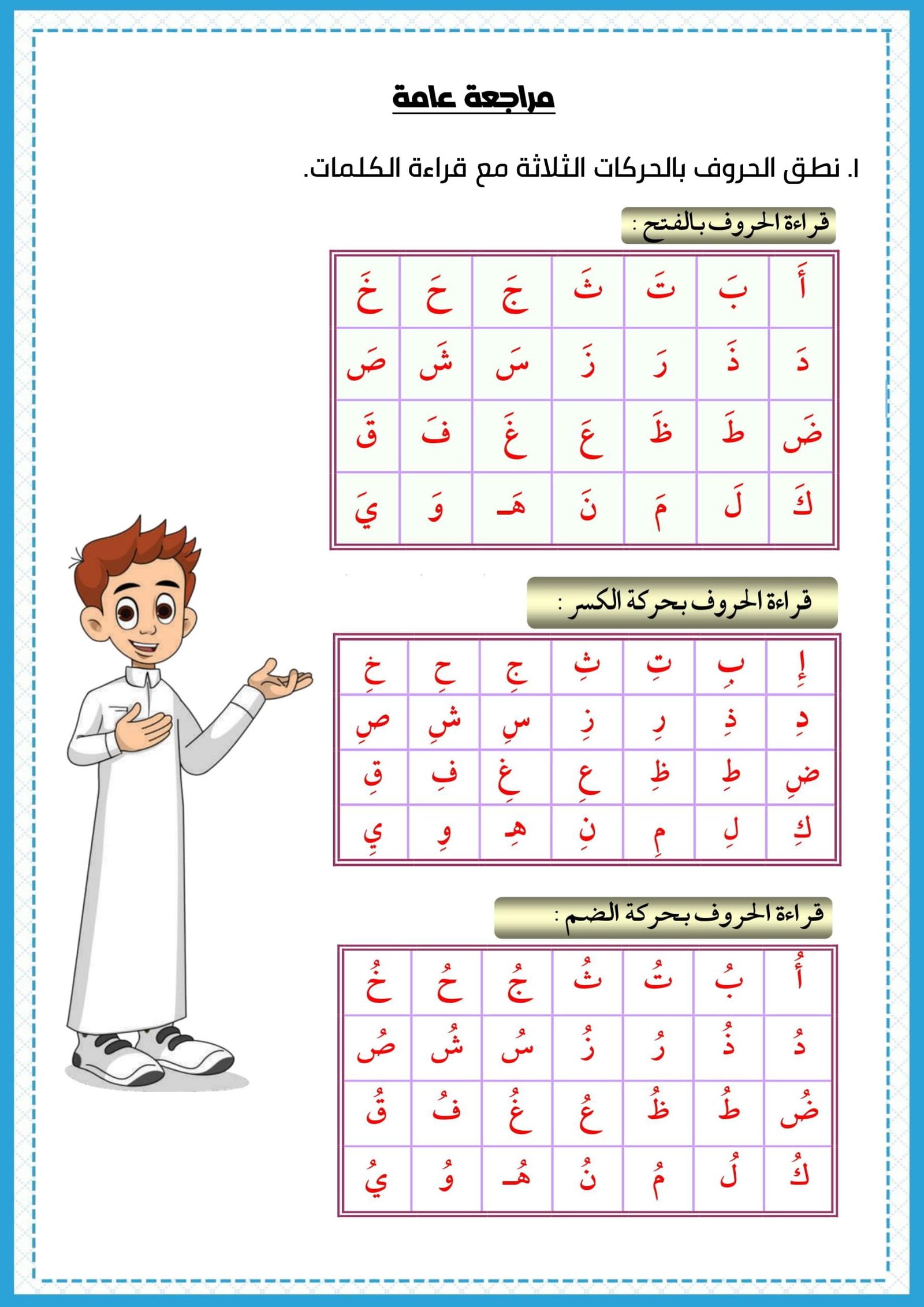
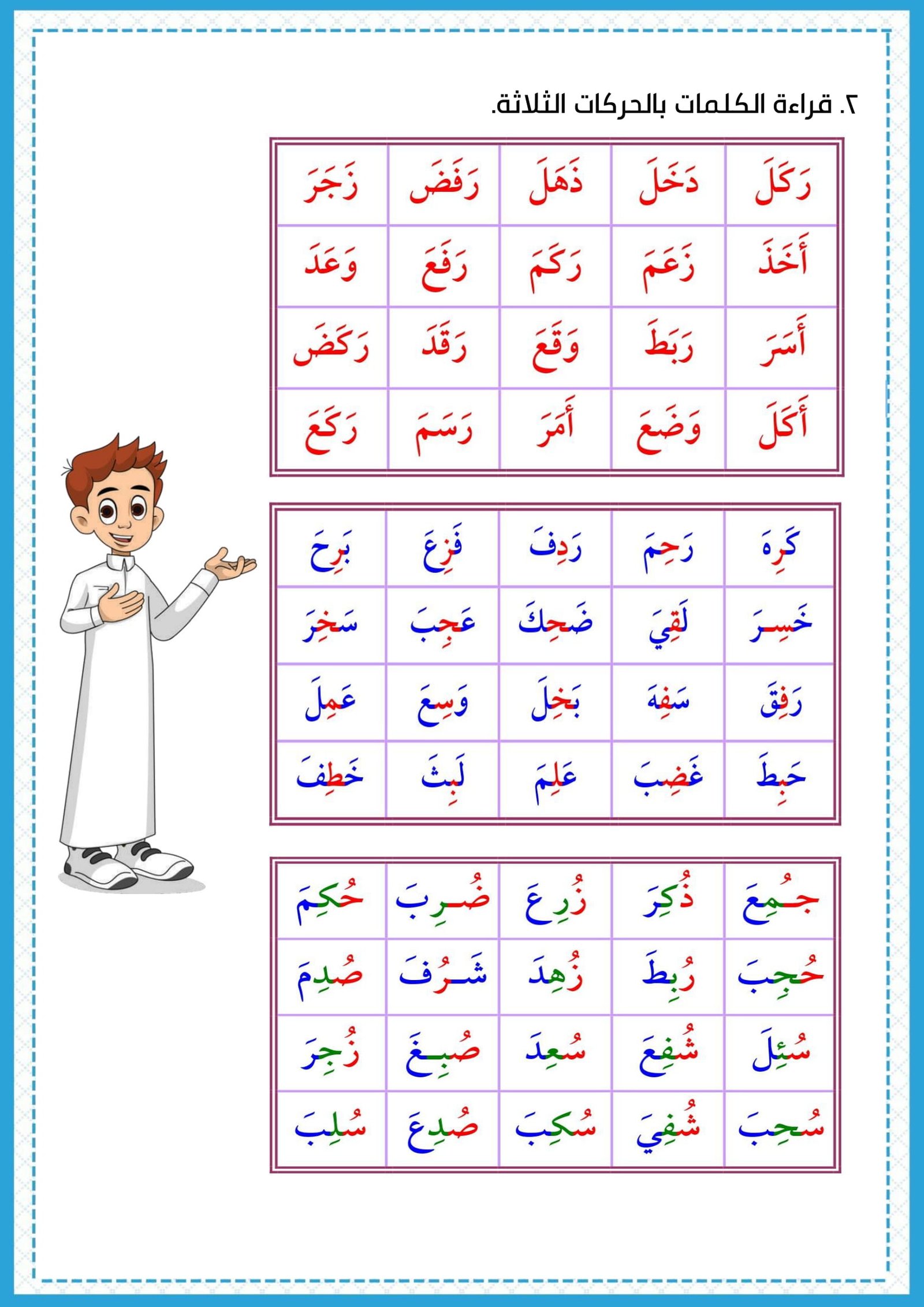
Arabic vowels reading practice is the crucial turning point where young learners transform from sounding out isolated consonants into reading real, flowing words. In Arabic literacy, the short vowels (Harakat—Fatha, Damma, and Kasra) act as the true voice of every letter. Without them, a child sees only static shapes; with them, those shapes burst into vibrant, pronounceable vocabulary.
Teaching children how vowel diacritics alter letter sounds takes patience, but with structured, multi-sensory materials, it becomes an exciting daily adventure. Here is how targeted reading drills build confident, fluent readers from day one.
Why Focus on Arabic Vowels Reading Practice?
Consistent Arabic vowels reading practice sets the stage for lifelong language fluency by solving common early reading hurdles:
- Brings Letters to Life: Teaches kids the distinct vocal sounds for each movement (A, U, and I sounds).
- Smooths Word Blending: Helps early readers bridge the gap between individual phonetic units and full 3-letter words.
- Eliminates Reading Hesitation: Prevents children from pausing to guess meanings by providing clear phonetic guidance.
- Reinforces Structured Methods: Serves as the natural stepping stone into classical phonics curricula like Noor Al-Bayan.
Features of This Arabic Vowels Reading Practice Booklet
Created with early-grade pedagogy in mind, this practice printable keeps children enthusiastic and engaged:
- Step-by-Step Sound Drills: Starts with individual vowel sounds before guiding students into blended phonetic words.
- Clear, Child-Friendly Fonts: Oversized Arabic script ensures tiny diacritical marks stand out clearly without eye strain.
- Engaging Visual Accents: Playful illustrations connect abstract phonetic rules with recognizable everyday objects.
- Ready-to-Print Format: Convenient PDF file ready for quick printing at home, for morning school warm-ups, or after-school revision.
Practical Tips for Arabic Vowels Reading Practice
To help your little one master vowel pronunciation effortlessly, try these fun home strategies:
- Use Physical Body Cues: Have your child raise a hand above their head for Fatha, cup their hand forward for Damma, and point down toward the floor for Kasra.
- Exaggerate the Sounds: Practice exaggerated mouth movements together in front of a mirror so they can clearly see and feel the sound shifts.
- Keep It Short and Sweet: Dedicate just 5 to 7 focused minutes per day to keep phonics fun rather than exhausting.
Images from Arabic Vowels Reading Practice
Arabic Vowels Reading Practice: The Ultimate Guide and Free Printable for Kids
For easy, free direct downloading, the memorandum was also displayed in PDF format. We presented this file to you from the kidslearningarabic blog If it indicated that there was an error. I hope you will leave that in the comments below.
Read also in Arabic: Arabic Vowels Reading Practice: The Ultimate Guide and Free Printable for Kids