
One of the biggest hurdles young children face when learning Arabic is telling similar characters apart. Take ب, ت, and ث—or ج, ح, and خ—the body shapes are virtually identical, with only the count and placement of dots setting them apart. For a young child, this visual puzzle can feel confusing. That is why engaging Arabic letter recognition worksheets are such a vital teaching tool for both parents and early childhood educators.
Rather than relying on mechanical drills, targeted letter discrimination exercises train children to pay attention to subtle visual details, building solid visual memory and lasting reading fluency.
Why Letter Discrimination Practice Matters?
Distinguishing between letter shapes is the bedrock of Arabic reading readiness. When children practice targeted visual recognition, several foundational skills fall into place:
- Eliminates Dot Confusion: Children learn to quickly spot the differences between similar letter families (like Raa and Zay, or Seen and Sheen).
- Reinforces Letter Positions: Clear layouts help kids spot how isolated shapes adapt into initial, medial, and final cursive forms.
- Boosts Reading Speed: Instant visual identification prevents stumbling when kids begin decoding complete words.
- Sets Up Phonics Programs: Provides an ideal visual base for structured curricula such as Noor Al-Bayan and Al-Qaida Al-Nooraniya.
What Makes This Practice Guide Stand Out?
Young children learn best through clear visual patterns and cheerful activities. This printable workbook is designed to keep practice enjoyable:
- Focused Visual Exercises: Features circling, matching, and coloring activities crafted specifically to highlight differences between similar letters.
- Child-Friendly Design: Eye-catching layouts and crisp, legible fonts keep young learners focused without sensory clutter.
- Step-by-Step Learning: Takes children comfortably from basic letter discrimination to confident word recognition.
- Ready to Print: Delivered as an easy-to-download PDF that is ready for instant use at home, during homeschool sessions, or in the classroom.
3 Engaging Ways to Practice at Home
- Dot Detective: Turn practice into a game by asking your child to find and count the “hidden dots” above or below each letter.
- Color Coding: Give them markers and invite them to color-code similar letter families (for instance, highlight all Baa letters in green and Taa letters in blue).
- Trace and Feel: Before paper practice, have your little one draw similar letter shapes in a sensory tray filled with sand or salt.
Images from Arabic Letter Recognition Worksheets


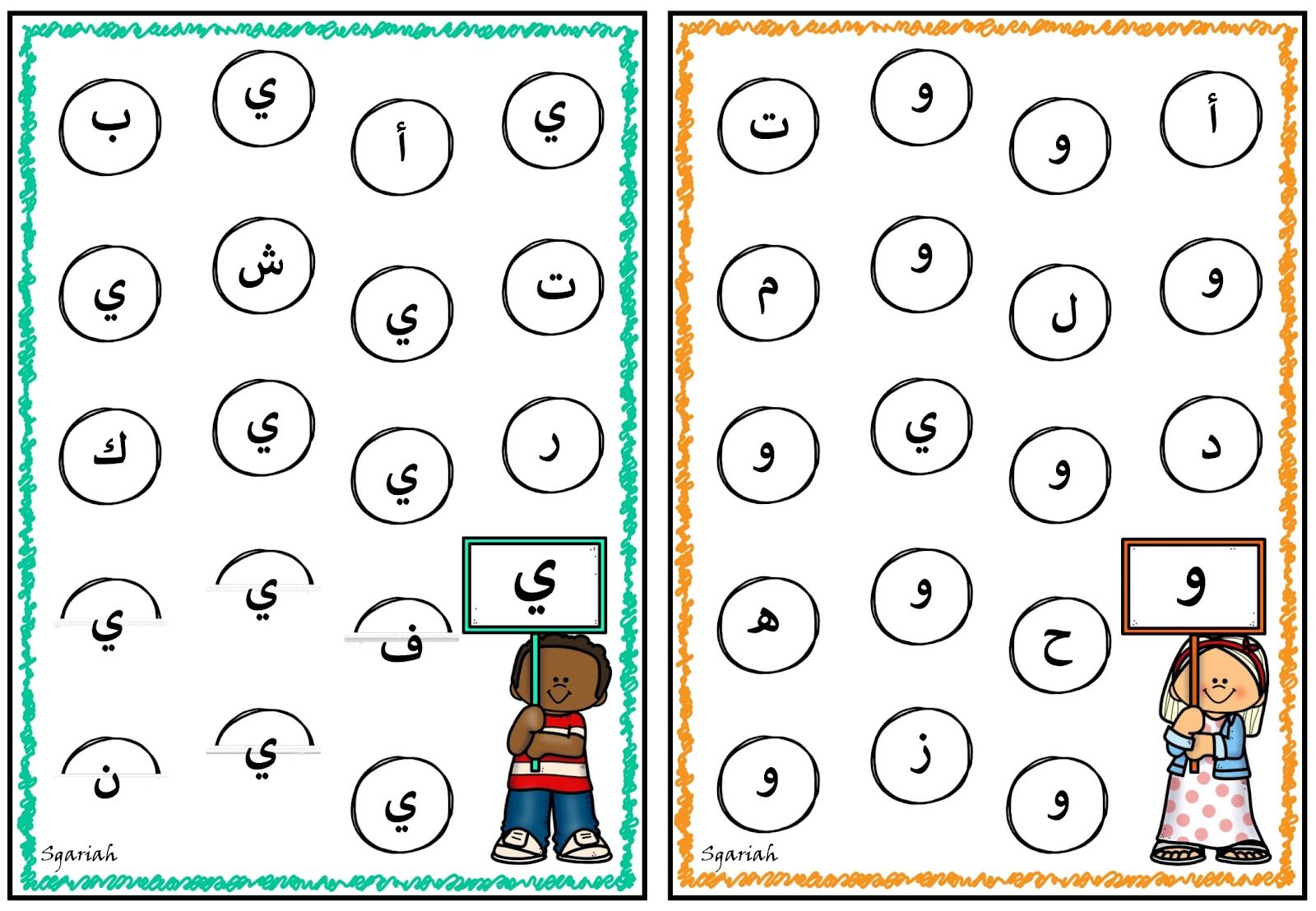
Arabic Letter Recognition Worksheets: The Fun Key to Early Literacy
For easy, free direct downloading, the memorandum was also displayed in PDF format. We presented this file to you from the kidslearningarabic blog If it indicated that there was an error. I hope you will leave that in the comments below.
Read also in Arabic: Arabic Letter Recognition Worksheets: The Fun Key to Early Literacy