
Arabic storytelling challenge worksheets give early learners the creative launchpad they need to move from sounding out isolated words to articulating expressive, connected thoughts. While teaching phonics forms the foundation of literacy, language truly comes alive when children learn to narrate events, describe scenes, and weave their own mini-adventures. For preschoolers and early elementary students, framing spoken and written expression as an exciting “story challenge” removes the fear of speaking and nurtures verbal confidence naturally.
By prompting young minds to sequence events, observe vibrant details, and explain what happens next, narrative drills build expressive fluency. Here is why guided storytelling challenges elevate foundational Arabic communication to new heights.
Why Practice with Arabic Storytelling Challenge Worksheets?
Working through targeted Arabic storytelling challenge worksheets nurtures vital cognitive and verbal milestones during critical developmental years:
- Develops Logical Sequencing: Trains young minds to organize thoughts chronologically using essential markers like “first,” “then,” and “at last.”
- Expands Active Descriptive Vocabulary: Encourages children to reach beyond basic nouns to use vivid action verbs, descriptive adjectives, and emotion words.
- Overcomes Hesitant Speech: Interactive challenge prompts encourage shy learners to speak standard Arabic (Fusha) with spontaneous pride.
- Strengthens Reading Comprehension: Creating their own story structures helps children understand the plot mechanics of books they read.
Inside This Expressive Narrative Activity Pack
Created thoughtfully to turn spontaneous creativity into structured communication skills, this printable resource delivers high-impact learning support:
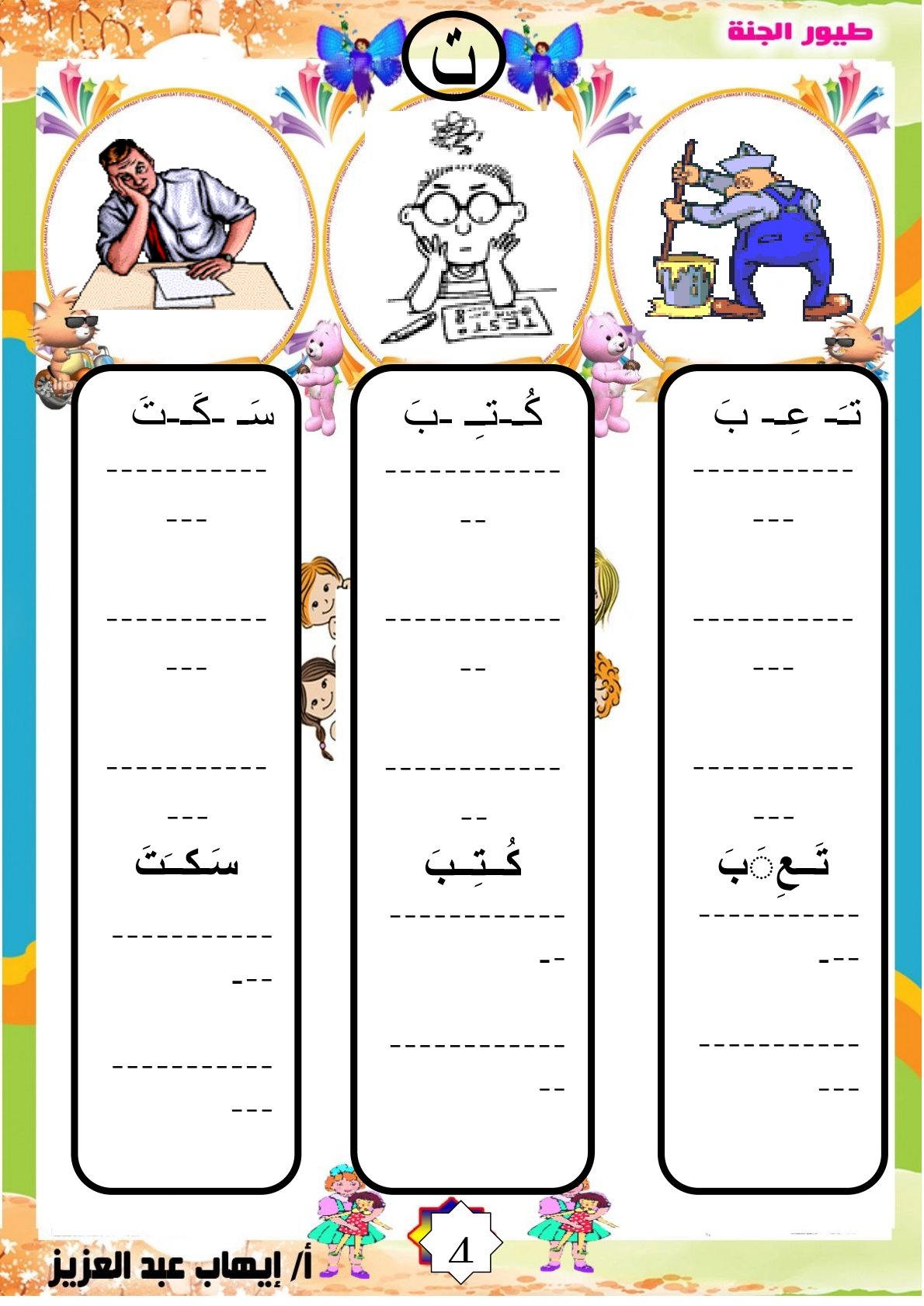
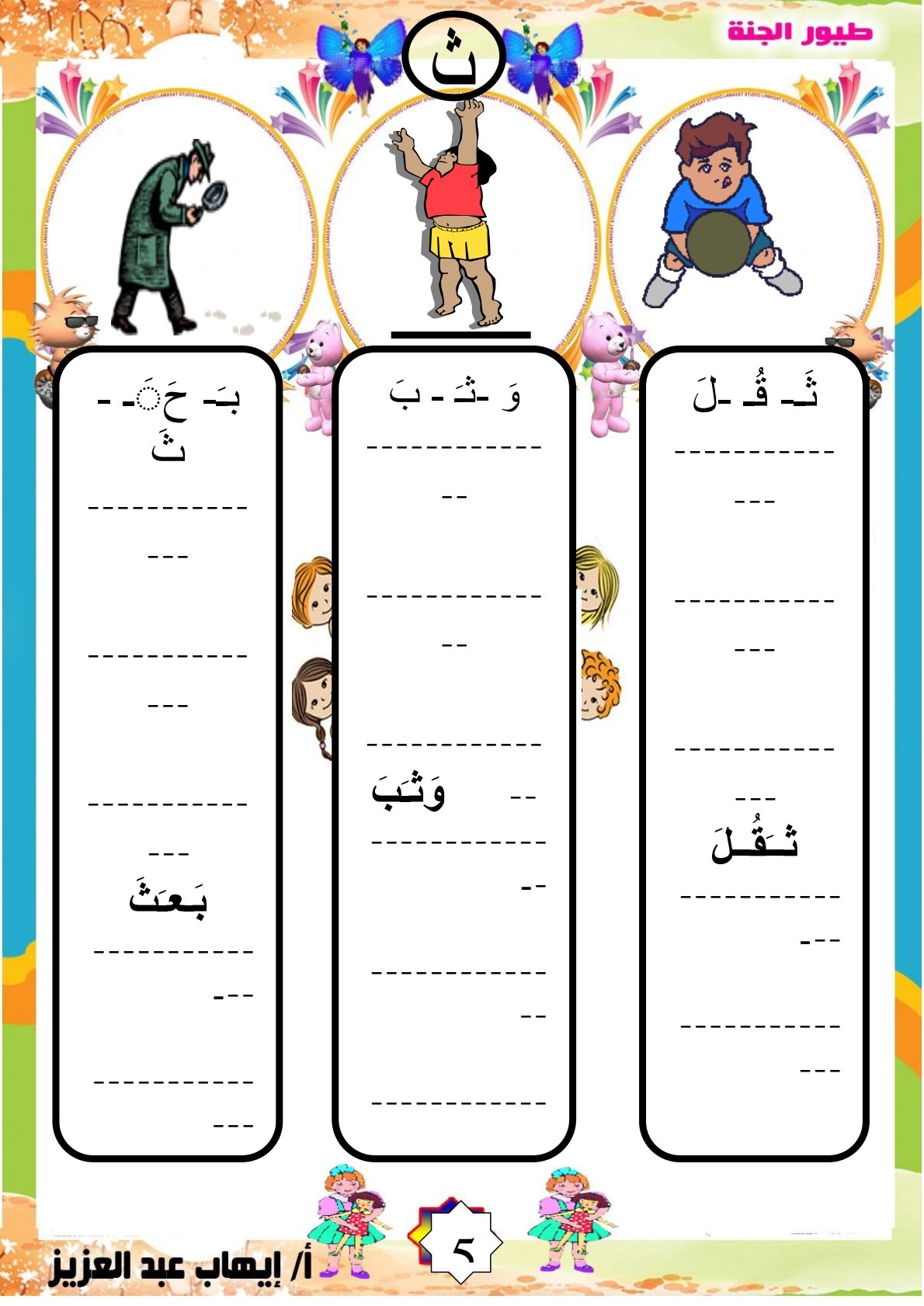
- Visual Picture-Sequence Prompts: Cheerful, multi-panel illustration sets that children can order logically to narrate complete stories.
- Child-Friendly Word Banks: Handy vocabulary boxes packed with relevant keywords to help emerging storytellers craft their sentences.
- Spacious Writing and Drawing Zones: Generous blank spaces allow younger kids to illustrate scenes while older learners write simple captions.
- Instant Ready-to-Print PDF: A zero-prep download formatted for homeschool morning circles, classroom show-and-tell, or speech therapy corners.
Engaging Home Strategies for Story Challenges
To turn narrative practice into a joyful, interactive family routine with your learner, try these practical ideas:
- The “Mystery Twist” Challenge: Have your child narrate a picture card sequence, then introduce a sudden funny surprise character (“And suddenly, a tiny kitten jumped in!”).
- Audio Record Their Tales: Record your child telling their story on your phone and play it back together so they can hear their expressive voice.
- Puppet-Assisted Narration: Let your learner hold a favorite stuffed animal or sock puppet to act as the storyteller during worksheet challenges.
Images from Arabic Storytelling Challenge Worksheets
Arabic Storytelling Challenge Worksheets: The Blueprint for Fluent Expression
For easy, free direct downloading, the memorandum was also displayed in PDF format. We presented this file to you from the kidslearningarabic blog If it indicated that there was an error. I hope you will leave that in the comments below.
Read also in Arabic: Arabic Storytelling Challenge Worksheets: The Blueprint for Fluent Expression