
Arabic letter positions worksheets for kids provide young readers with the structural blueprint they need to transition effortlessly from isolated alphabet sounds to fluent word building. Because Arabic is an inherently cursive language, characters do not stand apart like wooden building blocks; instead, they stretch out their arms to join friendly neighbors. For preschoolers and kindergarteners, seeing a familiar letter drop its tail in the middle of a word or reach outward from the end can seem confusing without clear visual rules.
Teaching children how letters change depending on their location—initial, medial, final, or isolated—turns the puzzle of Arabic cursive into an intuitive matching game. Here is why structured positional worksheets build lasting handwriting confidence.
Why Master Positions with Arabic Letter Positions Worksheets for Kids?
Practicing regularly with Arabic letter positions worksheets for kids unlocks vital reading and handwriting milestones:
- Demystifies Connecting Arms: Shows children clearly how letters open an arm to the left at the start, open both arms in the middle, and close neatly at the end.
- Identifies the Non-Connecting “Friendly Rebels”: Reinforces the six letters (Alif, Daal, Dhaal, Raa, Zay, and Waaw) that refuse to connect from the left side.
- Accelerates Sight-Word Decoding: Trains young eyes to spot familiar character roots instantly within fluid text, speeding up reading stamina.
- Establishes Seamless Penmanship Flow: Develops unbroken pencil glides along the baseline, preventing jagged or hesitant strokes.
Inside This Positional Practice Booklet
Designed thoughtfully to balance clear visual hierarchy with child-centered handwriting spaces, this printable resource delivers high-impact support:
- Comprehensive Four-Form Grids: Shows every letter clearly in its isolated, initial, medial, and final states side by side.
- Connect-the-Hands Drills: Interactive exercises where children draw the connecting arms between adjacent letters to construct simple words.
- Spacious Baseline Guides: Generously ruled tracks provide ample breathing room for small fingers to practice connections without crowding.
- Instant Ready-to-Print PDF: A zero-prep resource tailored for homeschool morning desks, primary literacy centers, or handwriting intervention.
Actionable Home Tips for Positional Mastery
To make positional handwriting practice engaging and stress-free for your learner, try these practical parent ideas:
- The “Holding Hands” Metaphor: Encourage your child to pretend the letters are children playing in a circle, holding hands to stay together safely.
- Color-Code the States: Have your learner circle initial letters in red, middle letters in green, and final letters in blue across a practice page.
- Clay Rope Connectors: Roll thin ropes of modeling clay and let your child snip and join them into letters to physically feel how cursive connects.
Images from Arabic Letter Positions Worksheets for Kids
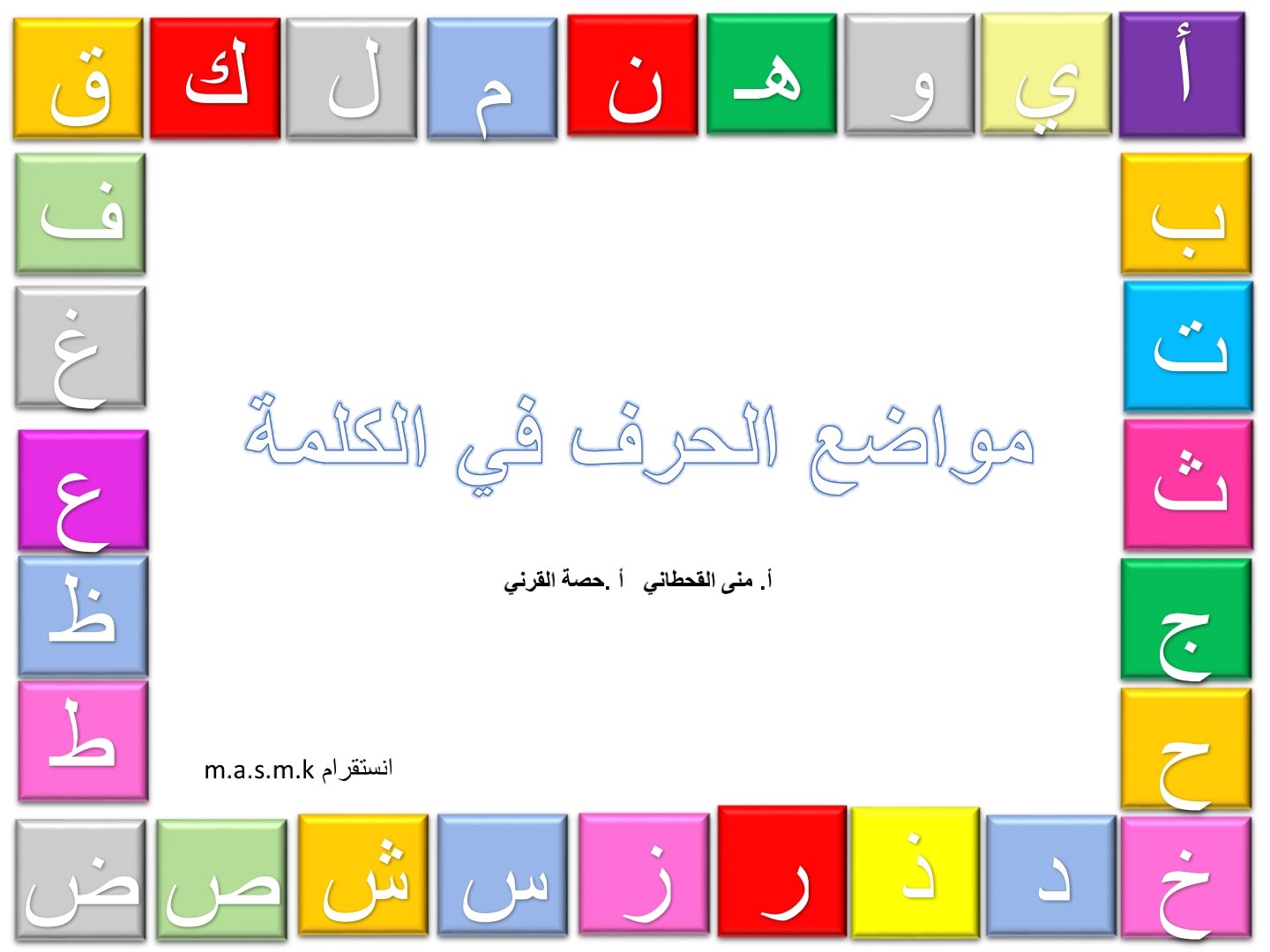
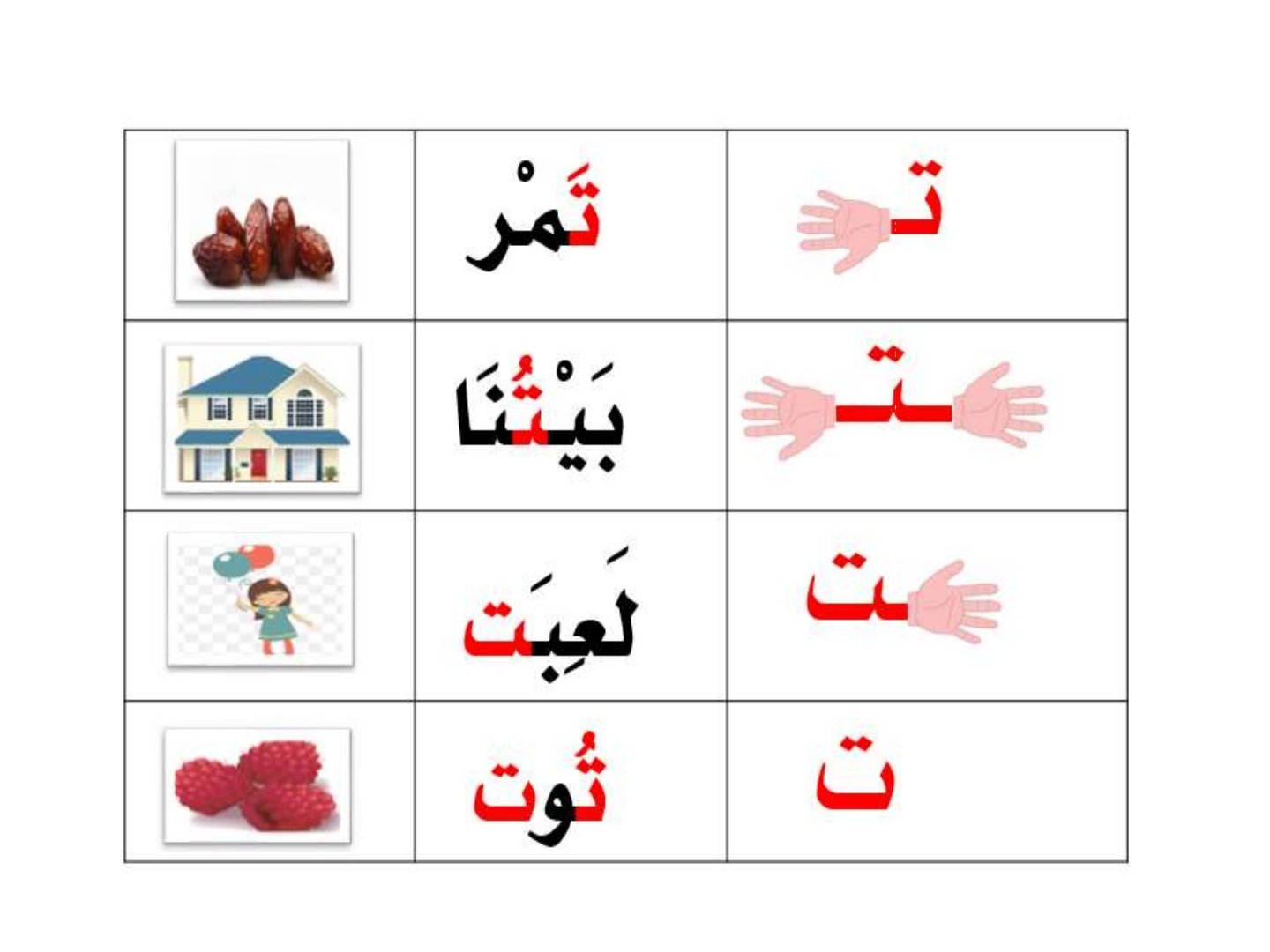
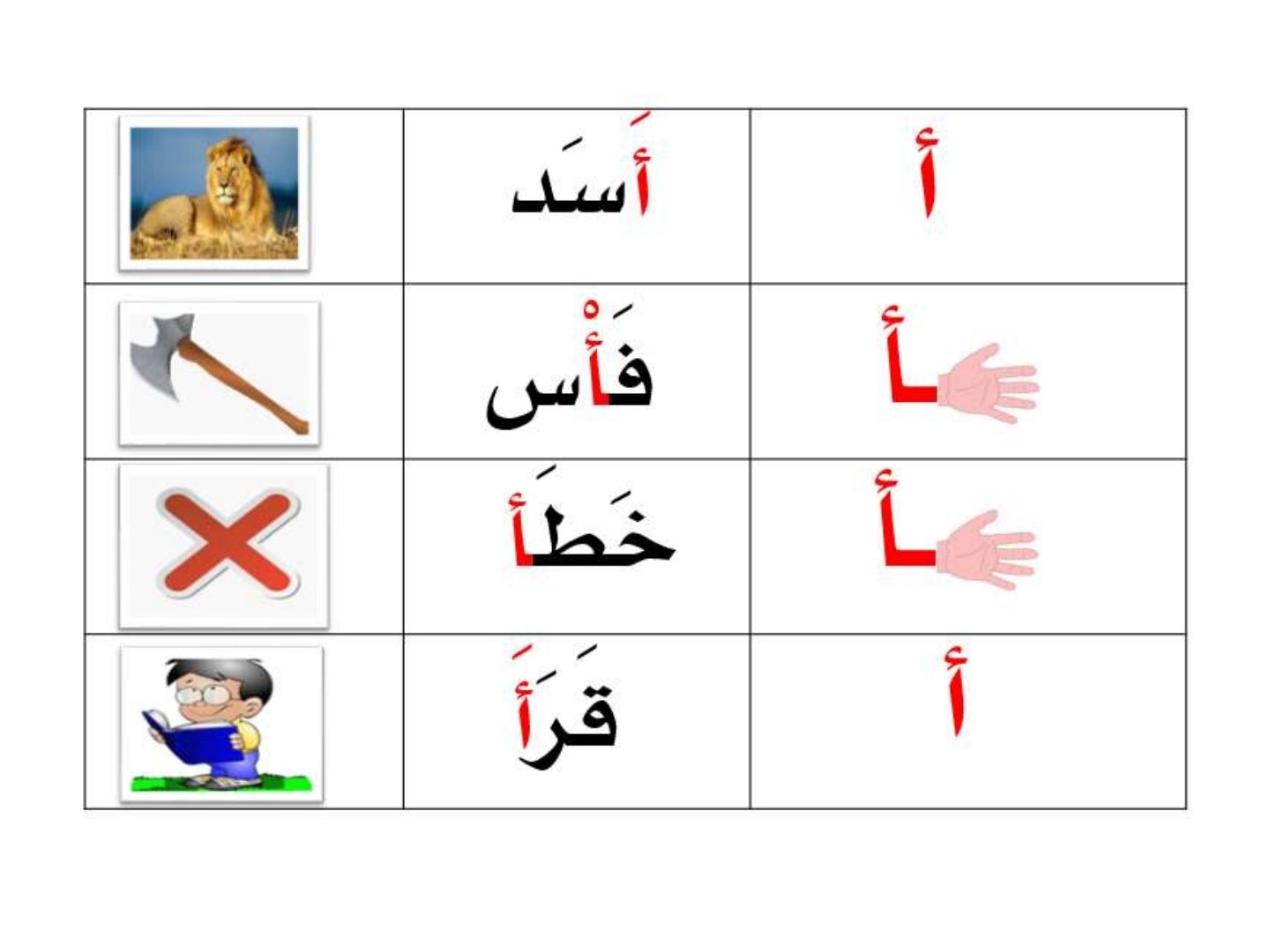
Arabic Letter Positions Worksheets for Kids: The Connecting Key to Cursive
For easy, free direct downloading, the memorandum was also displayed in PDF format. We presented this file to you from the kidslearningarabic blog If it indicated that there was an error. I hope you will leave that in the comments below.
Read also in Arabic: Arabic Letter Positions Worksheets for Kids: The Connecting Key to Cursive