
Arabic alphabet stories for kids with diacritics bridge the fragile gap between recognizing isolated letters and actually reading flowing words with natural rhythm. For a young child, looking at an unvocalized Arabic sentence feels like staring at an uncrackable puzzle. Without the tiny vocal signposts—the playful Fathah slash, the curled Dammah hat, and the sliding Kasrah stroke—letters remain silent statues. Placing those characters inside vibrant, illustrated adventures with full Tashkeel turns early phonics into an irresistible bedtime or classroom ritual.
Storytelling bypasses the exhaustion of rote flashcards by embedding pronunciation directly inside meaningful, emotional moments.
Why Full Tashkeel Transforms Early Decoding
Reading with full vocalization (Tashkeel) isn’t just an aesthetic feature—it provides the exact cognitive scaffolding young brains need:
- Instant Vowel Anchors: Shows little eyes whether Baa sounds like an open cheer (Ba), a whistle (Boo), or a whisper (Bee).
- Eliminating Guesswork: Relieves the mental burden on beginner readers so they can focus on letter connection instead of guessing meaning from context.
- Building Auditory Rhythm: Children naturally pick up Arabic meter and phrasing when reading fully vocalized sentences out loud.
- Strengthening Emotional Recall: Characters who run, laugh, and solve friendly problems make vocabulary stick far better than disconnected word lists.
Interactive Read-Aloud Routines for Parents and Teachers
To turn every story page into an active phonetic discovery session, try these simple shared-reading habits:
- The “Sound Detective” Finger Run: As you read, pause right before a highlighted target letter and ask your learner to spot the little vowel mark dancing on top.
- Exaggerated Mouth Acting: Match your facial expressions to the diacritics—open wide with a smile for Fathah, push your lips into a round trumpet for Dammah, and drop your chin down for Kasrah.
- Picture-Clue Prediction: Cover the target word with your thumb, look at the page illustration together, and let your child guess what word belongs there using the initial sound.
What Makes This Story Collection Essential
This downloadable reading anthology was crafted specifically for developing bilingual and native learners:
- Short, Child-Centered Plots: 3 to 5 concise sentences per tale, perfectly calibrated to protect short attention spans from fatigue.
- Large, Clear Arabic Typography: High-contrast, spacious fonts with clearly separated vowel markings that never blur together.
- Character-Driven Illustrations: Cheerful artwork on every page that provides immediate visual context for unfamiliar words.
- Ink-Friendly, Printable PDF: Clean borders formatted to print as miniature story booklets for reading corners, morning desks, or travel binders.
Images from Arabic Alphabet Stories for Kids with Diacritics
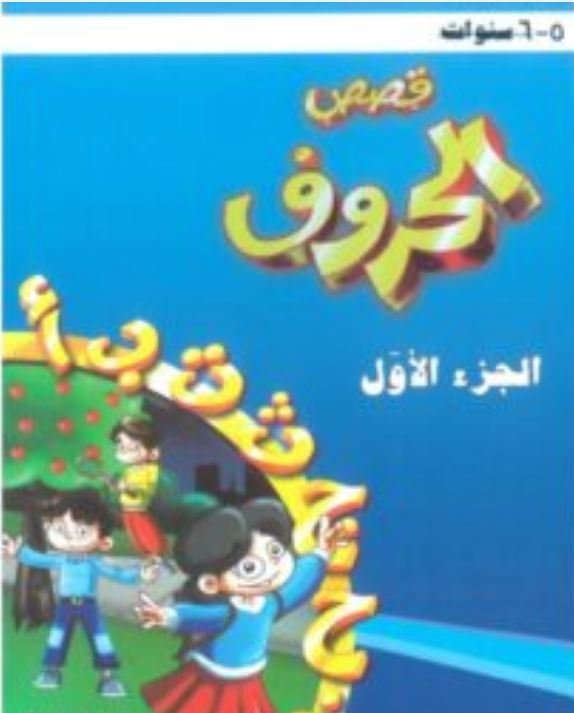
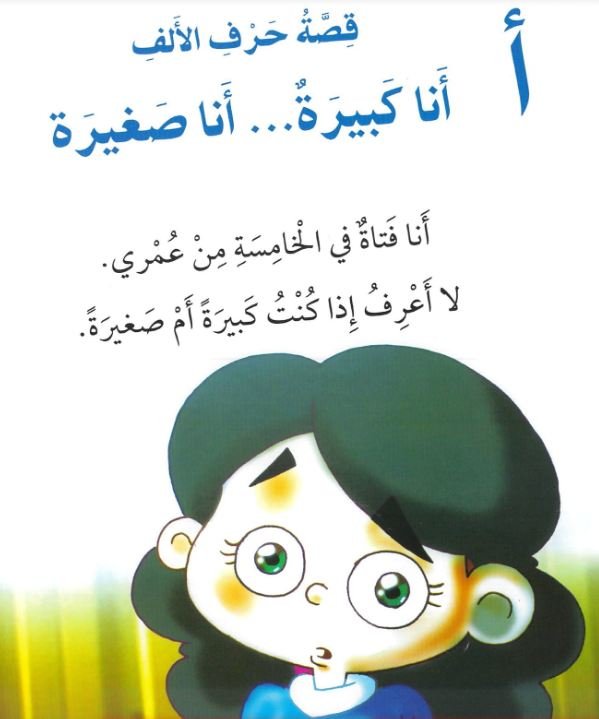
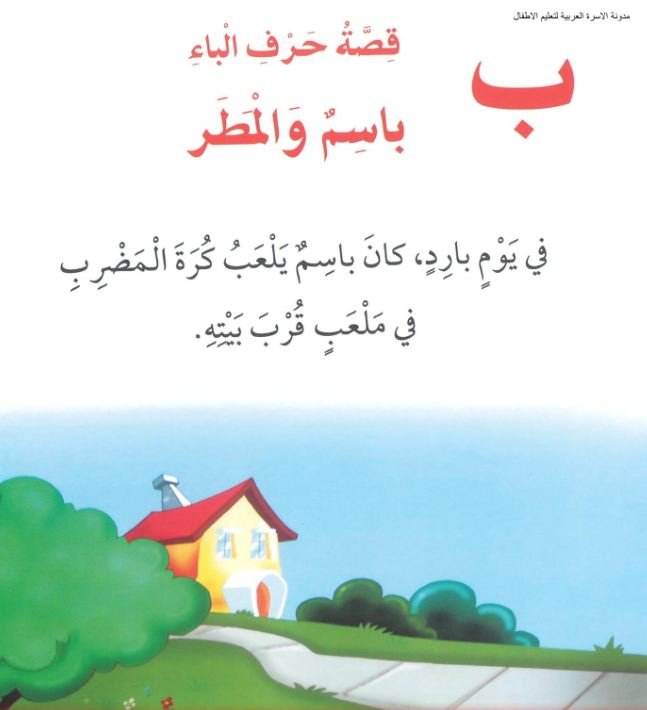
Arabic Alphabet Stories for Kids with Diacritics: The Storyteller’s Key to Fluent Reading
For easy, free direct downloading, the memorandum was also displayed in PDF format. We presented this file to you from the kidslearningarabic blog If it indicated that there was an error. I hope you will leave that in the comments below.
Read also in Arabic: Arabic Alphabet Stories for Kids with Diacritics: The Storyteller’s Key to Fluent Reading