
Finding the best way to teach Arabic letter forms to young children can completely transform how they experience reading for the first time. Because Arabic letters change their appearance based on their position—whether standing alone, leading at the beginning, connecting in the middle, or wrapping up at the end—children often feel intimidated by the shifting shapes. When introduced through playful, hands-on visual aids, mastering these transitions becomes an intuitive puzzle rather than a dry memorization drill.
Whether you are working with an eager preschooler, guiding a first-grade literacy group, or helping a non-native beginner explore Arabic, this structured approach builds genuine reading confidence from day one.
Why Interactive Tools Are the Best Way to Teach Arabic Letter Forms?
Children learn through their hands, eyes, and playful imagination. Relying solely on static textbooks makes letter positions feel abstract. Here is why using interactive, visual printables remains the best way to teach Arabic letter forms:
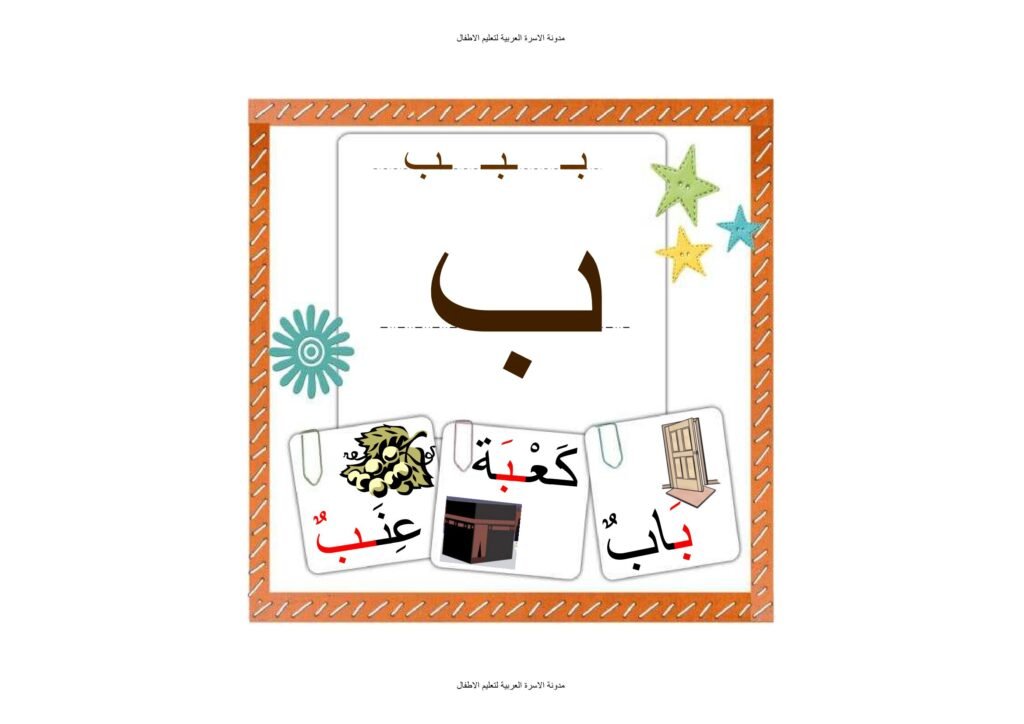
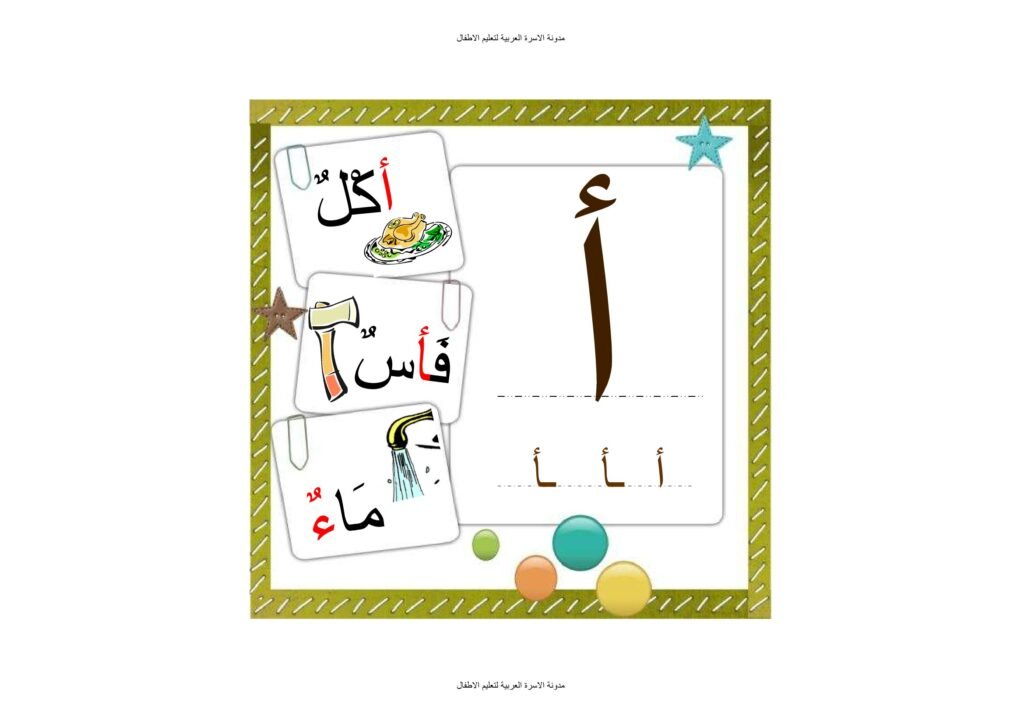
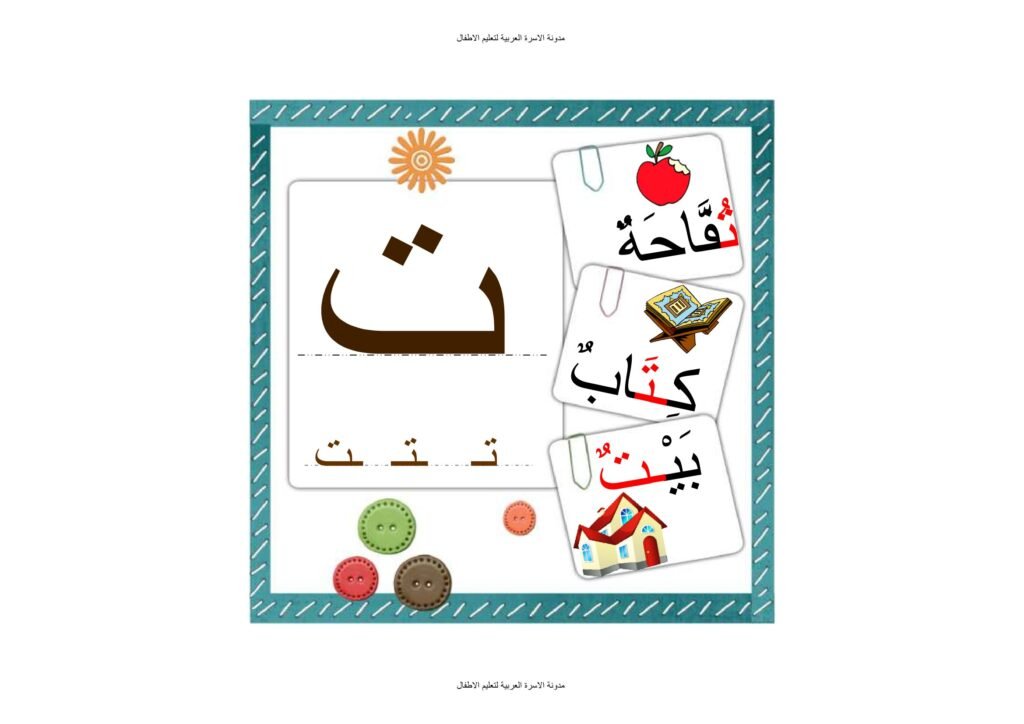
- Clear Positional Context: Visual aids break each letter down into its distinct forms—isolated, initial, medial, and final—so kids immediately see how strokes connect.
- Reduces Shape Confusion: Playful comparisons help children understand why certain “friendly” letters stretch their arms on both sides, while non-connecting letters hold their ground.
- Multi-Sensory Engagement: Pairing visual cards with coloring, sorting, and tracing cements muscle memory along with visual recognition.
- Step-by-Step Pacing: Allows you to isolate one letter family at a time, preventing early learning overwhelm.
Essential Skills Kids Gain Through Positional Practice
Consistent practice with this visual system helps learners develop core literacy milestones:
- Effortless Word Decoding: Recognizing familiar letters instantly, even when blended together inside flowing words.
- Visual Discrimination: Catching subtle changes in dots, curves, and joining tails across different letter families.
- Smooth Handwriting Transitions: Understanding which stroke connects to the next letter and which finishes the word.
- Active Vocabulary Growth: Pairing each letter position with illustrated, vowel-marked words that kids can say and use.
Creative Strategies for Teaching Letter Positions at Home or in Class
To make your daily learning sessions both productive and delightful, try these simple, low-prep routines:
- The Friendly Arms Story: Explain that Arabic letters love making friends. When a letter comes first, it stretches out one left arm; in the middle, it stretches both arms to hold hands; at the end, it waves goodbye with its full original tail.
- Match-the-Position Puzzle: Lay out cards showing a letter in its different positions alongside full words, and invite your child to spot and match where that letter is hiding.
- Playdough Connectors: Roll thin snakes of dough and guide your child to build the connecting bridges between letter shapes on a laminated worksheet.
- One Letter, Three Words: Pick a single letter per session and showcase three quick picture examples: one with the letter starting the word, one in the heart of the word, and one closing it.
Download Your Free Arabic Letter Forms Guide & Worksheets (PDF)
Ready to implement the best way to teach Arabic letter forms with your child or classroom? Click the direct download button below to get your complete printable activity sheets and visual cards. Print them out, grab your markers, and watch your little learner piece words together with ease
Images from The Best Way to Teach Arabic Letter Forms to Young Learners (Printable Guide)
The Best Way to Teach Arabic Letter Forms to Young Learners (Printable Guide)
For easy, free direct downloading, the memorandum was also displayed in PDF format. We presented this file to you from the kidslearningarabic blog If it indicated that there was an error. I hope you will leave that in the comments below.
Read also in Arabic: The Best Way to Teach Arabic Letter Forms to Young Learners (Printable Guide)