
Using a foundational Arabic reading and writing workbook pdf is one of the most reliable and systematic ways to transition early learners from simple alphabet recognition to confident, independent reading and neat cursive handwriting. Young children thrive when literacy follows a predictable, well-structured path. Rather than dealing with scattered, disconnected printables, a comprehensive foundational booklet guides students through phonetic sounds, vowel marks, and guided stroke practice in a natural, cohesive progression.
Whether you are designing a supportive kindergarten syllabus, helping an elementary student catch up on core literacy skills, or homeschooling your little one from the ground up, this printable workbook provides the clarity and step-by-step scaffolding young minds need to succeed.
Why Choose Our Foundational Arabic Reading and Writing Workbook PDF?
A well-structured literacy booklet builds confidence by tackling reading and writing together. Here is why educators and parents turn to this foundational Arabic reading and writing workbook pdf:
- Integrated Sound & Stroke Mastery: Bridges phonetic decoding with physical handwriting on every page, reinforcing auditory and kinesthetic memory simultaneously.
- Gradual Learning Curve: Begins with single-letter identification, introduces short vowels (Harakat), and advances smoothly into blending two- and three-letter words.
- Ruled Baseline Guidance: Clear guidelines teach children proper letter scaling, directional strokes, and which curved tails dip below the writing baseline.
- Vibrant Contextual Vocabulary: Every exercise features child-friendly illustrations paired with fully vocalized (Tashkeel) words to encourage accurate pronunciation.
Key Foundations Your Child Will Build
Practicing consistently with this foundational Arabic reading and writing workbook pdf establishes critical early literacy milestones:
- Phonemic Decoding: Learning how consonants combine with short vowels (Fatha, Damma, Kasra) to form fluid phonetic sounds.
- Positional Letter Awareness: Understanding how Arabic cursive forms shift depending on whether a letter appears at the start, middle, or end of a word.
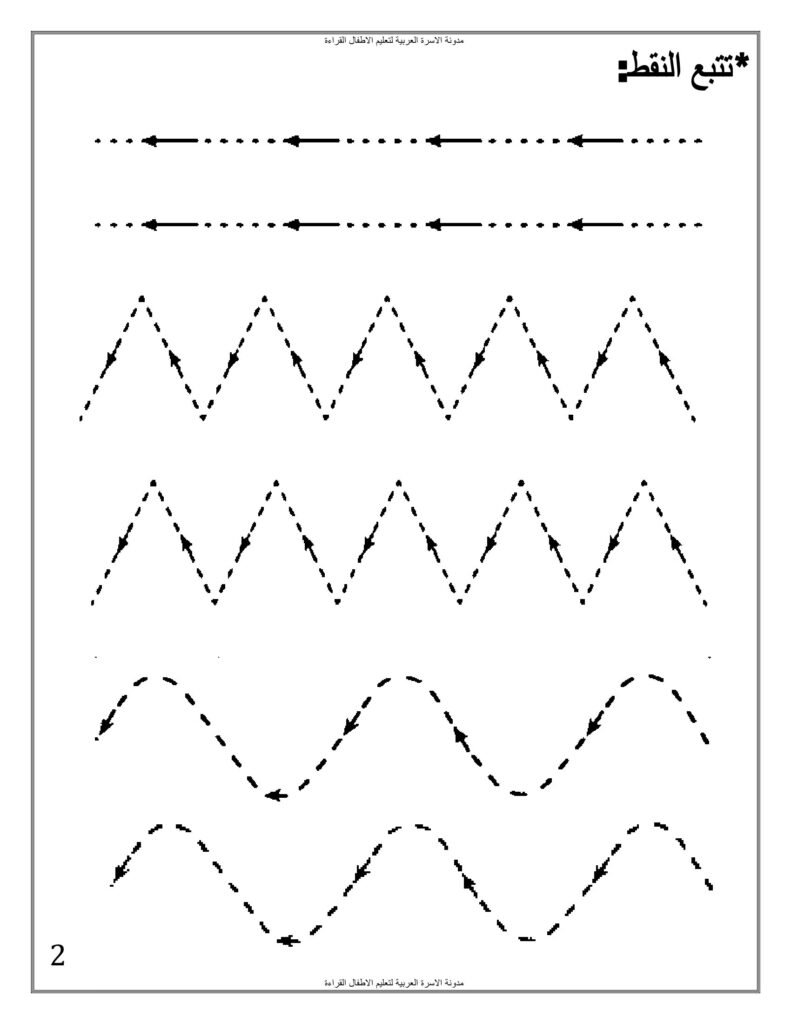
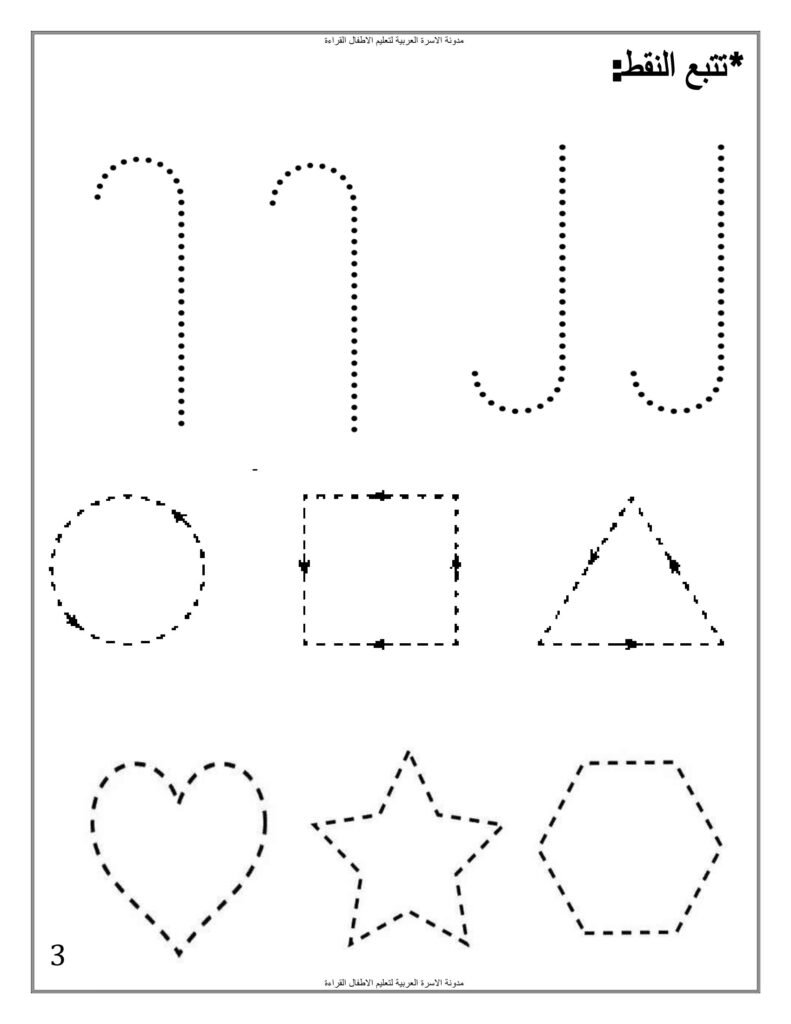
- Pencil Grip & Fine Motor Precision: Building hand stamina and finger dexterity through guided tracing tracks and independent copying lines.
- Early Word Reading: Equipping children with the decoding tools needed to read their very first Arabic storybooks without hesitation.
Practical Ways to Structure Daily Practice
A steady, relaxed daily routine yields the strongest long-term retention:
- Short 15-Minute Blocks: Dedicate a brief, focused window each day to complete one or two activities; quality and calm focus matter far more than speed.
- Read-Aloud Before Writing: Have your child pronounce the letter sound and the illustrated word aloud before placing pencil to paper.
- Make Pages Reusable: Insert practice sheets into clear plastic sleeves so your child can trace with dry-erase markers and practice as many times as they like.
- Celebrate Visible Progress: Use cheerful stickers or star stamps on completed pages to nurture a sense of pride and an enduring love for the Arabic language.
Download Your Foundational Arabic Reading and Writing Workbook PDF
Ready to give your child an empowering start in Arabic reading and penmanship? Download your free, high-resolution foundational Arabic reading and writing workbook pdf using the download button below. Print your copy, bind it into a handy practice booklet, and watch your little learner blossom into a confident, fluent reader.
Images from Foundational Arabic Reading and Writing Workbook PDF
Foundational Arabic Reading and Writing Workbook PDF: The Step-by-Step Literacy Blueprint
For easy, free direct downloading, the memorandum was also displayed in PDF format. We presented this file to you from the kidslearningarabic blog If it indicated that there was an error. I hope you will leave that in the comments below.
Read also in Arabic: Foundational Arabic Reading and Writing Workbook PDF: The Step-by-Step Literacy Blueprint