
An Arabic teacher guide for kids provides an essential, methodical instructional roadmap to help educators and homeschooling parents deliver structured Arabic lessons to foreign language learners. Instructing non-native students often proves challenging without a clear pedagogical framework that explains how to simplify complex grammar rules and pronunciation points.
Serving as Part 3 of the comprehensive non-native curriculum series, this printable pedagogical manual delivers concrete lesson-planning strategies covering all four foundational language competencies: listening (Al-Istimaa’), speaking (Al-Tahadduth), reading (Al-Qiraa’ah), and writing (Al-Kitaabah). For young kids, this structured teaching companion equips educators with practical tools to present vocalized texts, cultural traditions, and vocabulary drills in an engaging, low-stress environment.
Connecting methodical teacher scripts with interactive classroom activities makes second-language delivery smooth and successful. Here is why this specialized instructor manual forms the ideal foundation for teaching non-native Arabic learners.
Why Choose an Arabic Teacher Guide for Kids?
Structuring lessons around an Arabic teacher guide for kids delivers distinct pedagogical and instructional advantages:
- Complete Four-Skill Lesson Planning: Offers step-by-step guidance to balance auditory comprehension, oral dialogues, phonemic reading, and handwriting practice within each session.
- Targeted Non-Native Remediation: Highlights specific linguistic bottlenecks—such as emphatic letters, throat consonants, and short vowel shifts—with direct correction strategies.
- Seamless Curriculum Continuity: Acts as the official teacher companion to Student Parts 1 and 2, ensuring instructional methods align perfectly with student learning goals.
- Cultural Contextualization Tools: Provides teachers with background notes on Arab heritage, polite customs, and everyday conversational norms to share during lessons.
Inside This Kids Arabic Teacher Manual Pack
Designed thoughtfully to balance playful discovery with structured foundational benchmarks, this printable manual delivers comprehensive support:
- Structured Unit Delivery Frameworks: Clear classroom blueprints breaking down lesson goals, target vocabulary, and time-tested presentation steps.
- Differentiated Activity Bank: Practical adaptations and creative exercises designed to accommodate both beginner classrooms and faster-paced individual tutoring.
- Pronunciation & Articulation Keys: Dedicated phonetic coaching notes detailing how to help foreign speakers form distinct Arabic consonants without vocal strain.
- Ready-to-Print Classroom & Home PDF: An ink-conscious, zero-prep digital layout engineered for international school educators, madrasah tutors, and homeschool instructors.
Practical Home Tips for Teaching Success
To make non-native instruction a collaborative, confidence-building routine with your learner, try these creative teacher tips:
- Model Before Asking: Demonstrate oral pronunciation and cursive penmanship strokes multiple times on the board before asking kids to attempt them independently.
- The “Listen-and-Act” Warm-Up: Begin each lesson with 3 minutes of physical response games (e.g., “Stand up”, “Sit down”, “Open the book”) entirely in Arabic.
- Praise the Effort Over Perfection: Focus initially on phonetic communication and sound recognition rather than penalizing minor accent variations in early stages.
Images from Arabic Teacher Guide for Kids
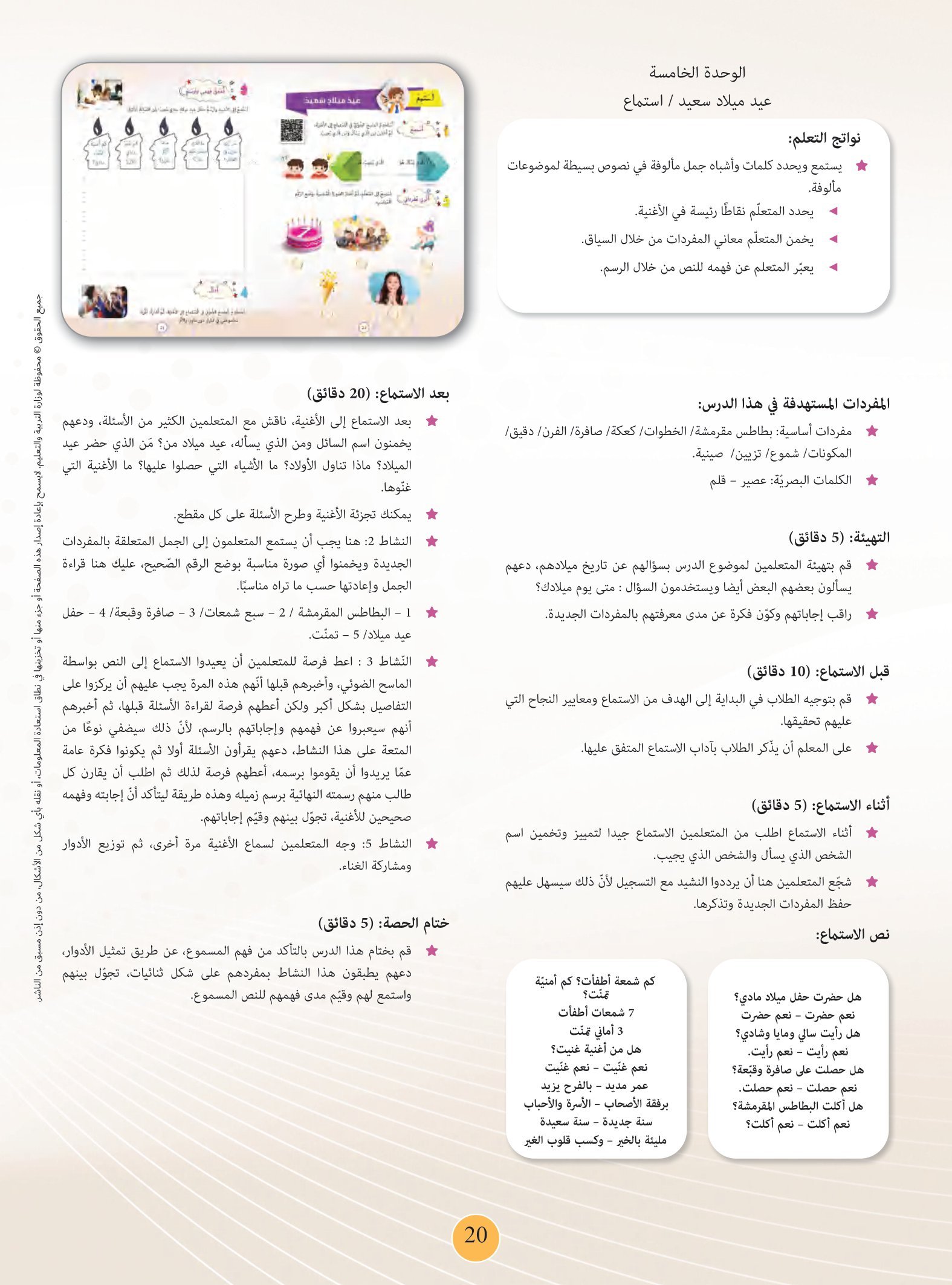
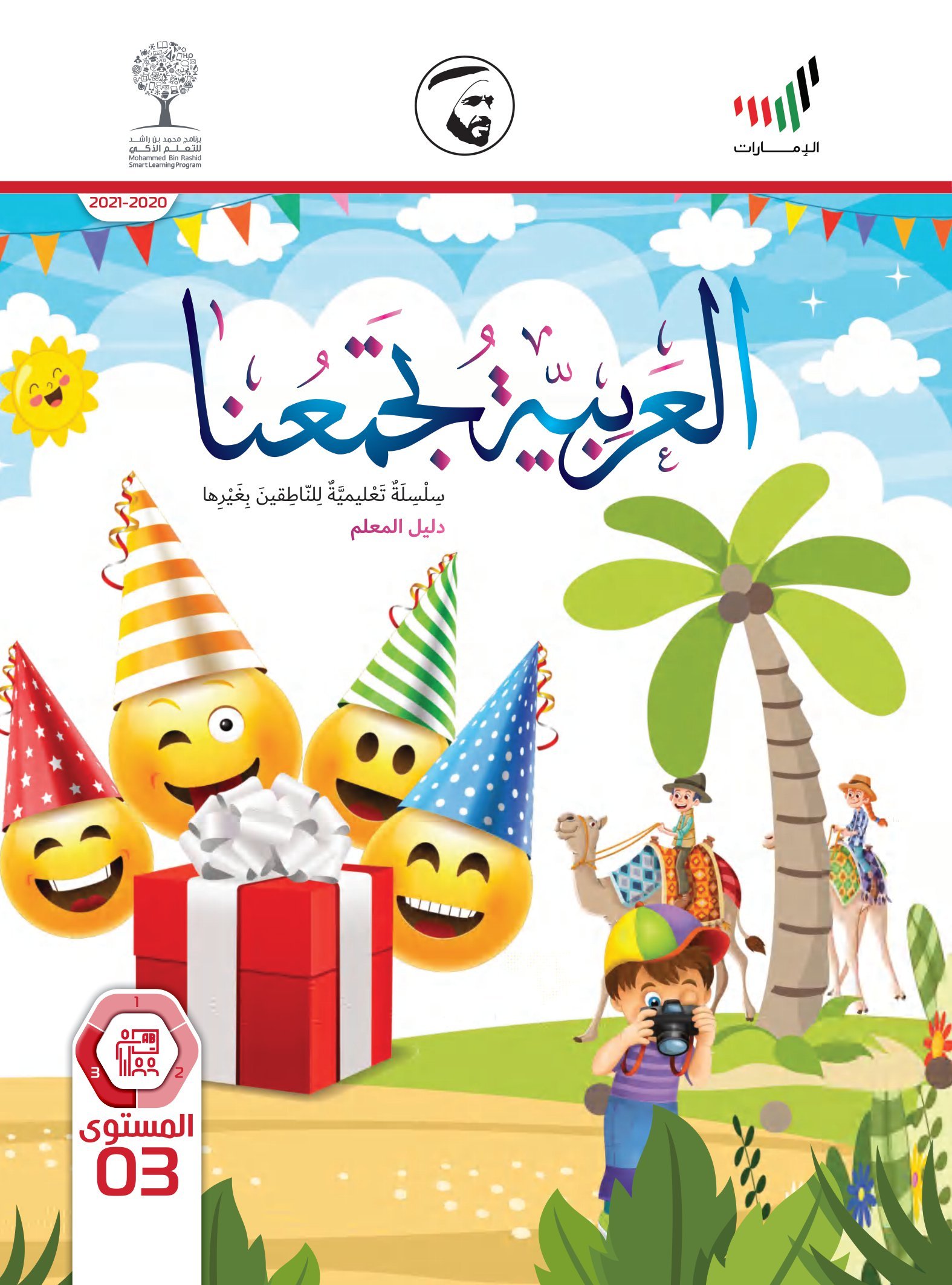
Arabic Teacher Guide for Kids: The Non-Native Curriculum & Pedagogy Manual
For easy, free direct downloading, the memorandum was also displayed in PDF format. We presented this file to you from the kidslearningarabic blog If it indicated that there was an error. I hope you will leave that in the comments below.
Read also in Arabic: Arabic Teacher Guide for Kids: The Non-Native Curriculum & Pedagogy Manual