
Learning Arabic for non-native kids provides an essential, confidence-building foundation to help young foreign learners communicate naturally in everyday Arabic. Introducing a new language can feel overwhelming when grammar rules are presented without practical context or conversational models. This targeted printable workbook (Level 5) provides an accessible step-by-step framework bridging the full alphabet with essential spoken grammar patterns.
For young kids, this methodical layout breaks down demonstrative pronouns (Asmaa’ Al-Ishaarah), core question tools (Adawaat Al-Istifhaam), and yes/no conversational replies into intuitive, real-world examples.
Connecting fundamental sentence patterns with visual question-and-answer drills makes early language acquisition engaging and rewarding. Here is why this conversational workbook forms the ideal foundation for non-native Arabic fluency.
Why Choose Arabic for Non-Native Kids?
Practicing regularly with Arabic for non-native kids delivers distinct linguistic and communicative advantages:
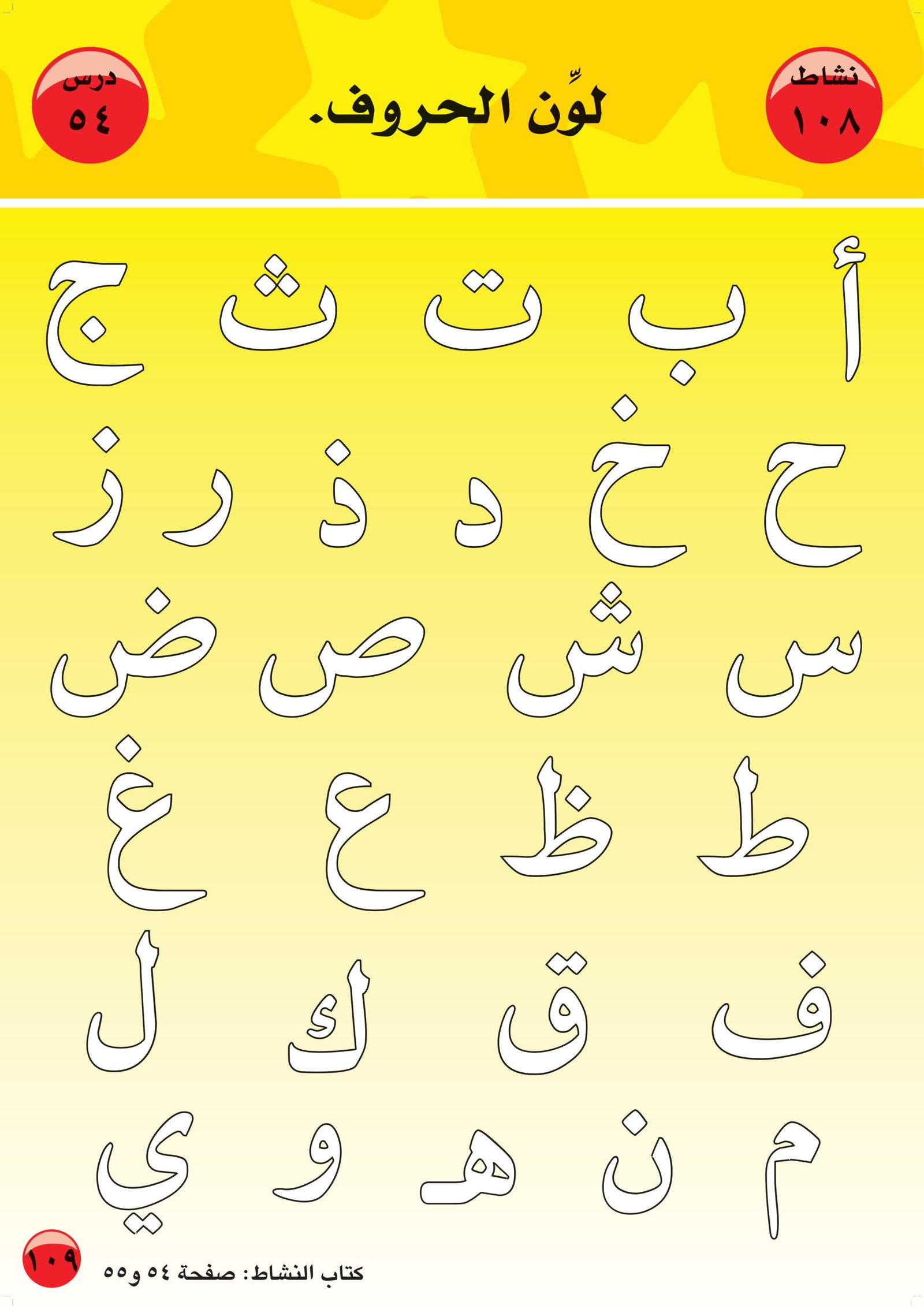
- Complete Alphabet Review: Displays the entire Arabic alphabet clearly to ensure solid character recognition alongside early vocabulary.
- Mastery of Demonstrative Nouns: Teaches spatial pointing words like Haadha (this is…) to help learners identify objects and places with grammatical accuracy.
- Practical Question Formulation: Introduces high-frequency interrogative tools—such as Maa (What), Man (Who), and Kayf (How)—to spark curious inquiries.
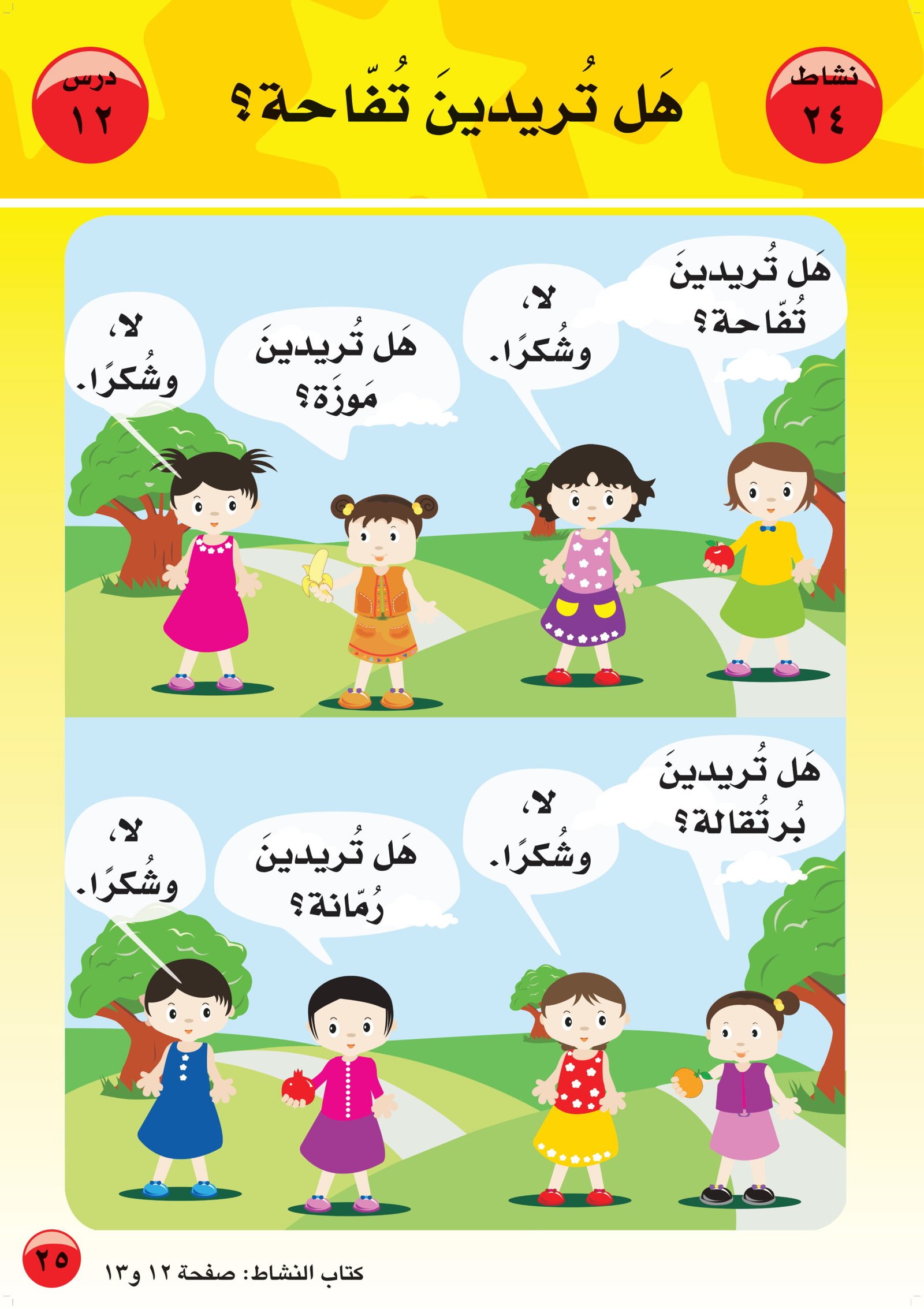
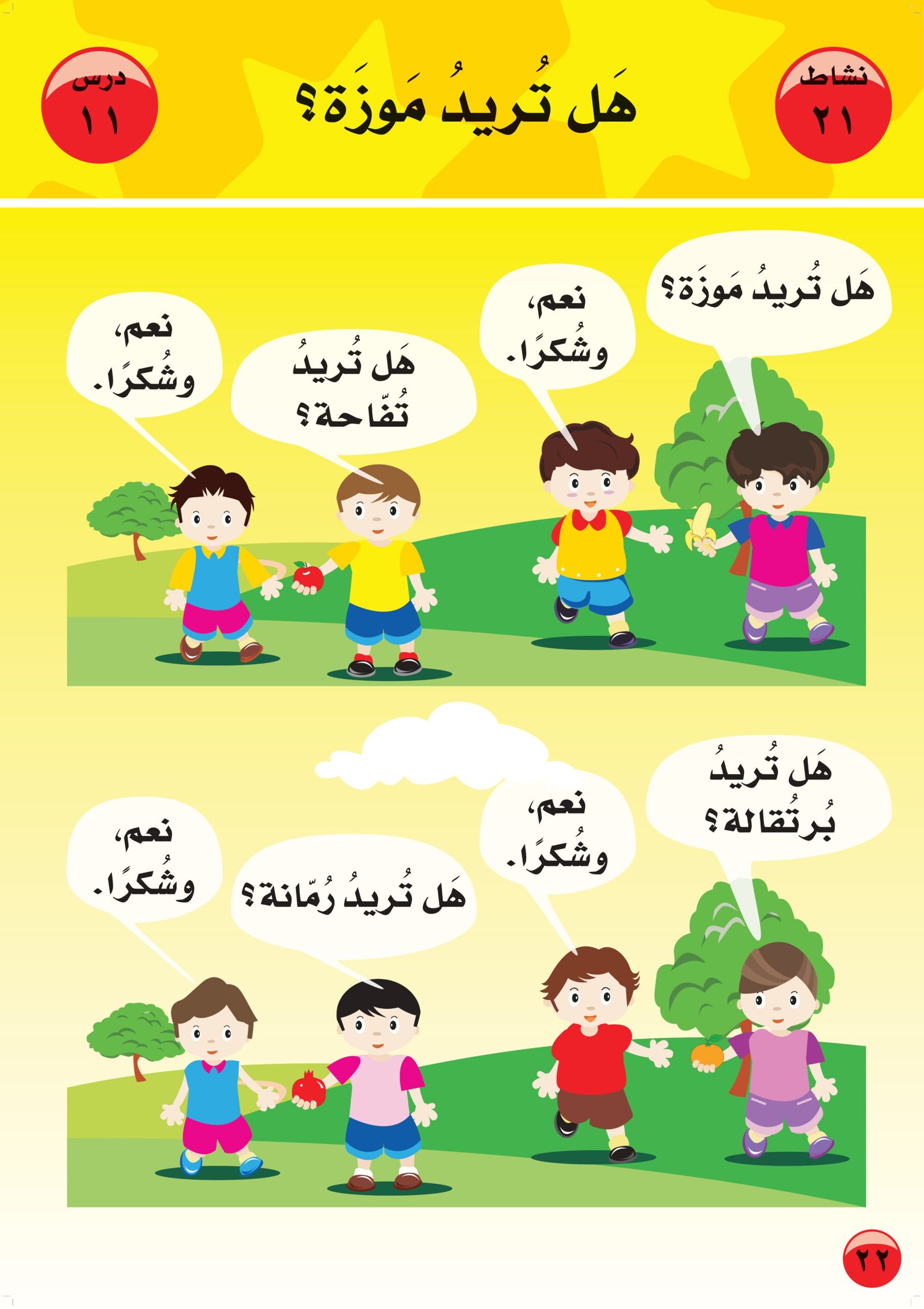
- Everyday Dialogue Scaffolding: Pairs common queries (“Maa haadha?”) with immediate affirmative and negative responses (“Na’am” and “Laa”), empowering functional communication.
Inside This Kids Non-Native Arabic Pack
Designed thoughtfully to balance playful discovery with structured foundational benchmarks, this printable booklet delivers comprehensive support:
- Foundational 28-Letter Reference: A complete alphabet layout designed to build clean visual recognition and phonetic recall for new learners.
- Demonstrative Pronoun Guide: Practical visual tables illustrating singular pointing nouns for household objects, classroom tools, and everyday items.
- Question-and-Answer Matrices: Realistic question rails pairing authentic queries with model sentence responses (e.g., “What is this? This is a house.”).
- Ready-to-Print Classroom & Home PDF: An ink-conscious, zero-prep layout engineered for bilingual classrooms, weekend language schools, or home study.
Practical Home Tips for Non-Native Language Success
To make foreign language practice an interactive, joyful routine with your learner, try these creative parent tips:
- The Living Room Point-and-Say: Walk around your home pointing to everyday items while prompting kids to use Haadha (e.g., “Haadha bayt”, “Haadha kitaab”).
- The “Yes or No” Object Challenge: Hold up an item and ask a simple question (“Is this a pen?”), prompting your child to reply promptly using “Na’am” or “Laa”.
- Daily Question Swap: Take turns asking one question a day using Maa (What) or Man (Who) to build conversational habits without pressure.
Images from Arabic for Non-Native Kids
Arabic for Non-Native Kids: The Complete Beginner Grammar & Conversation Guide
For easy, free direct downloading, the memorandum was also displayed in PDF format. We presented this file to you from the kidslearningarabic blog If it indicated that there was an error. I hope you will leave that in the comments below.
Read also in Arabic: Arabic for Non-Native Kids: The Complete Beginner Grammar & Conversation Guide