
Mastering Arabic letter forms and sounds for kids provides an essential, multi-sensory educational foundation to help young decoders connect changing letter shapes with accurate phonetic vocalizations. Beginning readers often struggle when moving from isolated alphabet names to full reading because Arabic letters not only change their physical forms depending on their position in a word, but also alter their pronunciation based on short vowel diacritics (Tashkeel).
Authored by early childhood literacy specialist Aya Hefzy, this comprehensive printable workbook guides children step-by-step from foundational sound identification to reading fluency. For young kids, this methodical layout pairs initial, medial, and final cursive placements with Fathah, Dammah, and Kasrah vowel drills, supported by clear visual models and guided practice rails.
Connecting tactile letter tracing with dynamic auditory discrimination drills makes early Arabic reading joyful and intuitive. Here is why this dedicated letter forms and sounds booklet provides the ideal foundation for kindergarten and primary literacy.
Why Choose Arabic Letter Forms and Sounds for Kids?
Practicing regularly with Arabic letter forms and sounds for kids delivers distinct cognitive and linguistic advantages:
- Simultaneous Shape & Sound Integration: Teaches children to decode not just the consonant outline, but how short vowel diacritics transform its vocalization.
- Complete Positional Awareness: Clarifies how each character alters its arms and tails at the beginning (Awwal Al-Kalimah), middle (Wasat Al-Kalimah), and end (Aakhir Al-Kalimah) of words.
- Fluency from the Start: Bridges the crucial gap between early alphabet recognition and smooth, vowelized word blending without stumbling over marks.
- Child-Friendly Visual Typography: Features large, high-contrast Arabic fonts, vivid visual cues, and uncluttered layouts designed to sustain focus and prevent visual fatigue.
Inside This Kids Letter Forms & Phonics Pack
Designed thoughtfully to balance playful discovery with structured foundational benchmarks, this printable volume delivers comprehensive support:
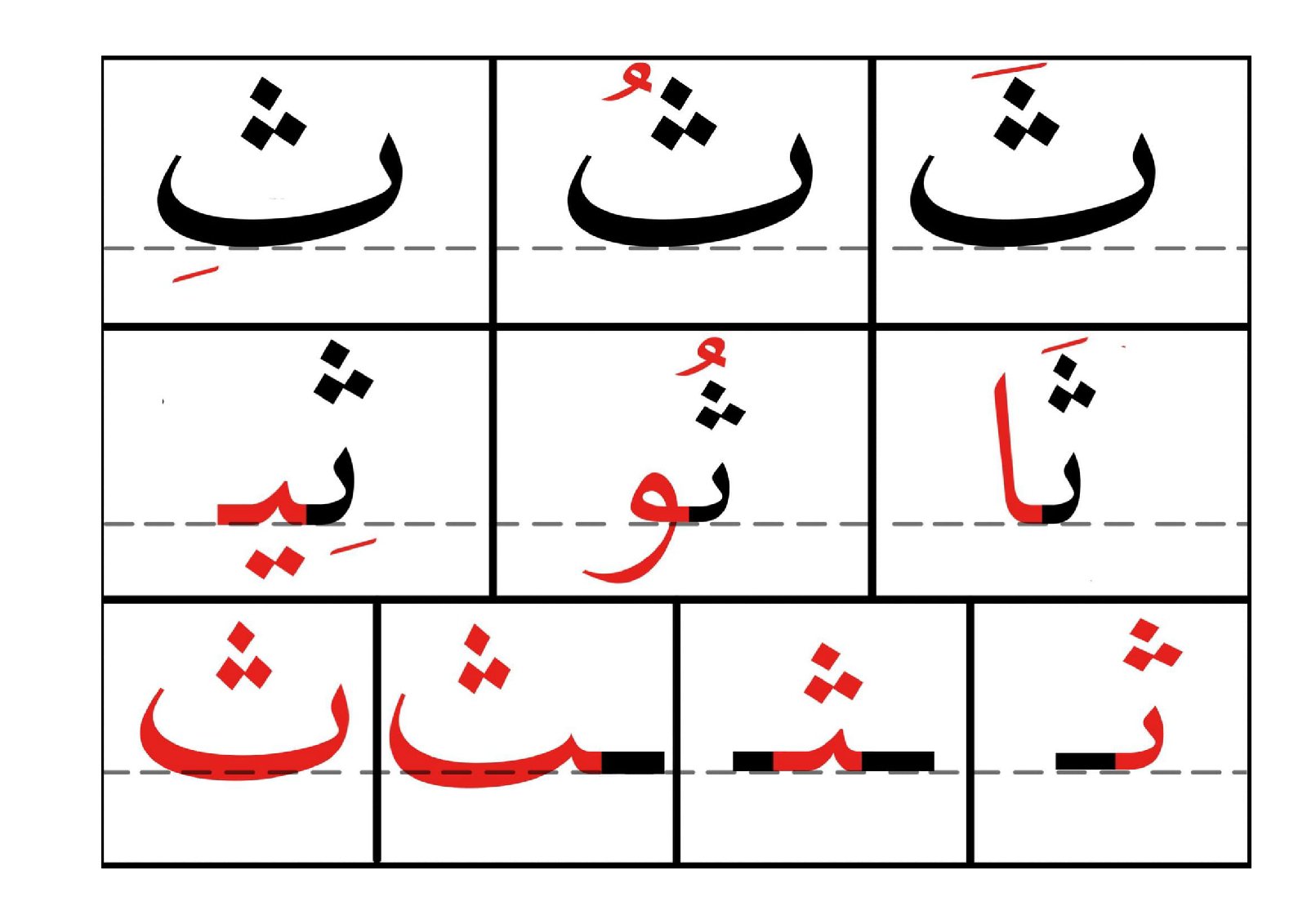
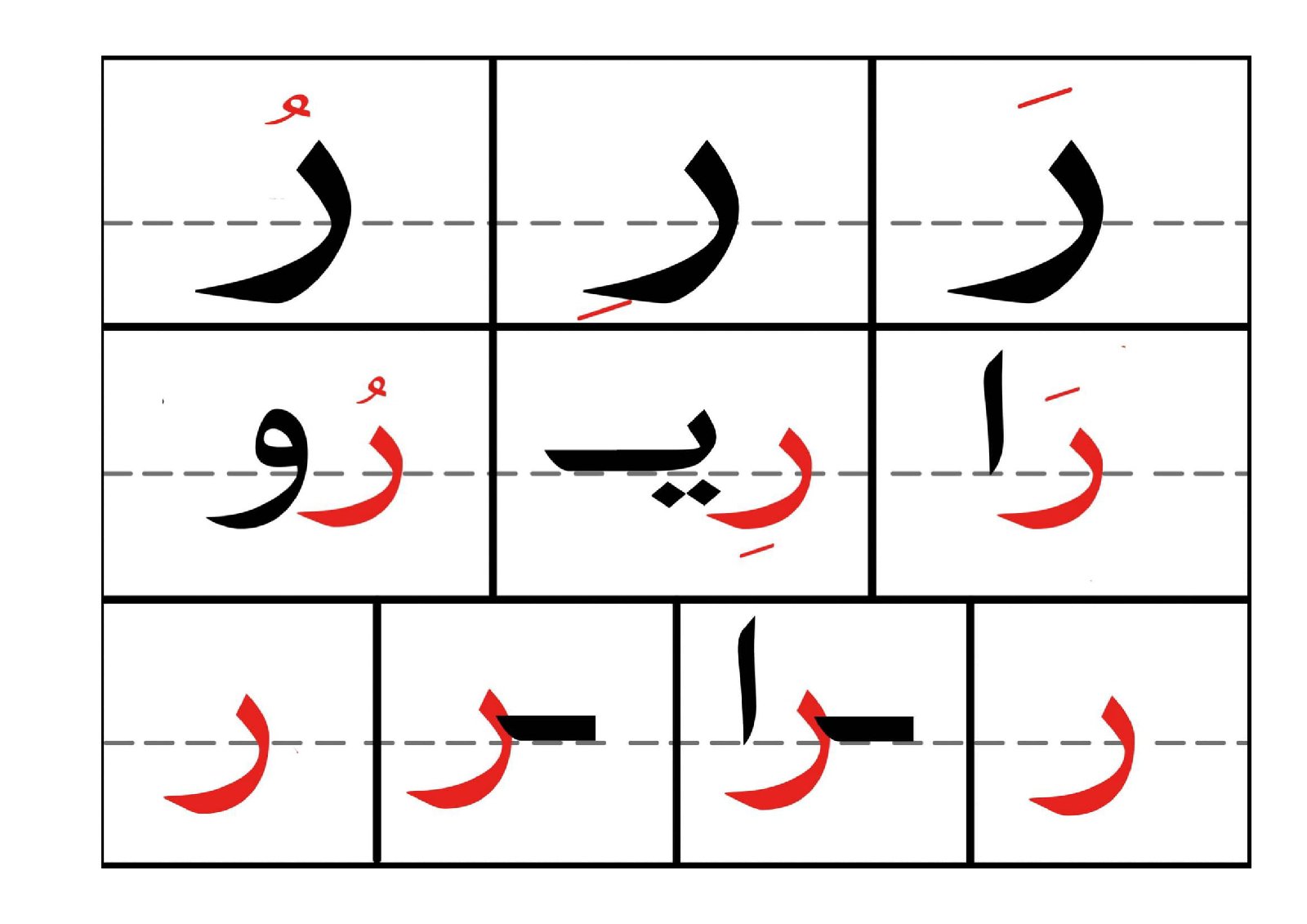
- Tashkeel Short-Vowel Matrices: Methodical charts demonstrating every consonant paired with Fathah (/a/), Dammah (/u/), and Kasrah (/i/) for accurate pronunciation.
- Cursive Position Layouts: Clear visual grids illustrating isolated, initial, medial, and final forms across essential curriculum units.
- Targeted Review Units: Focused review sections covering tricky connecting letters from curriculum units 4 and 5 to reinforce visual discrimination.
- Ready-to-Print Classroom & Home PDF: An ink-conscious, zero-prep layout engineered for kindergarten morning routines, phonics centers, or homeschool study.
Practical Home Tips for Phonics & Shape Success
To make letter sounds and positions an engaging, confidence-building daily routine with your learner, try these creative parent tips:
- The “Vowel Arm Gestures” Game: Pair each vowel mark with a physical motion—raise your hand high for Fathah, round your lips and push forward for Dammah, and pull your hand down for Kasrah.
- Flashcard Shape Matching: Place three cards showing a letter in its beginning, middle, and final positions, and ask your child to place an object on the correct connecting form as you read a word.
- Sound-and-Trace Finger Drills: Have kids trace the letter on the page with their index finger while loudly pronouncing the specific vowel sound shown above it.
Images from Arabic Letter Forms and Sounds for Kids
Arabic Letter Forms and Sounds for Kids: The Complete Phonics & Cursive Vowel Guide
For easy, free direct downloading, the memorandum was also displayed in PDF format. We presented this file to you from the kidslearningarabic blog If it indicated that there was an error. I hope you will leave that in the comments below.
Read also in Arabic: Arabic Letter Forms and Sounds for Kids: The Complete Phonics & Cursive Vowel Guide