
An Arabic letter positions guide for kids provides an essential, systematic curricular foundation designed to help emerging decoders understand how Arabic characters morph and connect within written words. When children transition from naming standalone letters to reading whole sentences, confusion often arises if they cannot quickly recognize how a letter’s body, connecting arm, or baseline tail shifts based on its placement.
Created by experienced educator Teacher Haneen (Al-Mu’allimah Haneen), this step-by-step printable handbook breaks down the mechanics of joined script from early readiness to complete reading fluency (Min Al-Intilaaqah Ila Al-Talaaqah). For young kids, this methodical presentation eliminates reading hesitation, dramatically curtails common early spelling errors, and fosters independent writing confidence through clean visual models and structured practice.
Guiding young learners through cursive transitions with clear visual aids makes primary Arabic reading natural, fast, and empowering. Here is why this specialized step-by-step positions handbook serves as the ideal foundation for kindergarten and primary literacy.
Why Choose an Arabic Letter Positions Guide for Kids?
Practicing regularly with an Arabic letter positions guide for kids delivers distinct educational and orthographic advantages:
- Step-by-Step Positional Fluency: Teaches how each consonant joins neighbors across beginning (Awwal Al-Kalimah), middle (Wasat Al-Kalimah), and ending (Aakhir Al-Kalimah) forms.
- Reduces Common Spelling & Dictation Errors: Solidifies visual muscle memory, helping children choose correct connecting strokes during spelling tests and creative writing.
- Accelerates Sight Decoding Speed: Eliminates cognitive lag by training young readers to spot and blend connected letter skeletons automatically.
- Child-Centered Visual Clarity: Utilizes large, high-contrast Arabic fonts and clean layout spacing to keep emerging decoders focused without visual fatigue.
Inside This Kids Step-by-Step Positions Pack
Designed thoughtfully to balance playful discovery with structured foundational benchmarks, this printable volume delivers comprehensive support:
- Comprehensive 28-Letter Position Modules: Systematic layouts showcasing every Arabic letter across all four states: isolated, initial, medial, and final.
- Interactive Readiness & Recognition Rails: Engaging exercises prompting students to circle connecting shapes, match letter twins, and identify placement in sample words.
- Visual Letter-in-Context Matrices: High-contrast grids displaying contextual word models that highlight exactly where target letters sit.
- Ready-to-Print Classroom & Home PDF: An ink-conscious, zero-prep digital format engineered for kindergarten morning tubs, primary literacy circles, or homeschool review.
Practical Home Tips for Letter Position Success
To make cursive letter practice an active, rewarding daily routine with your learner, try these creative parent tips:
- The “Holding Hands” Visual Drill: Remind kids that initial letters reach out their left hand, medial letters extend both arms, and final letters hold tight with one arm while showing their full tail.
- Color-Coded Word Highlighting: Give your child green, yellow, and red markers to highlight beginning, middle, and ending letters inside a short printed sentence before reading it aloud.
- The “Missing Connector” Challenge: Write a three-letter word leaving the middle letter blank, and ask your learner to choose the correct double-armed form to fix the bridge.
Images from Arabic Letter Positions Guide for Kids

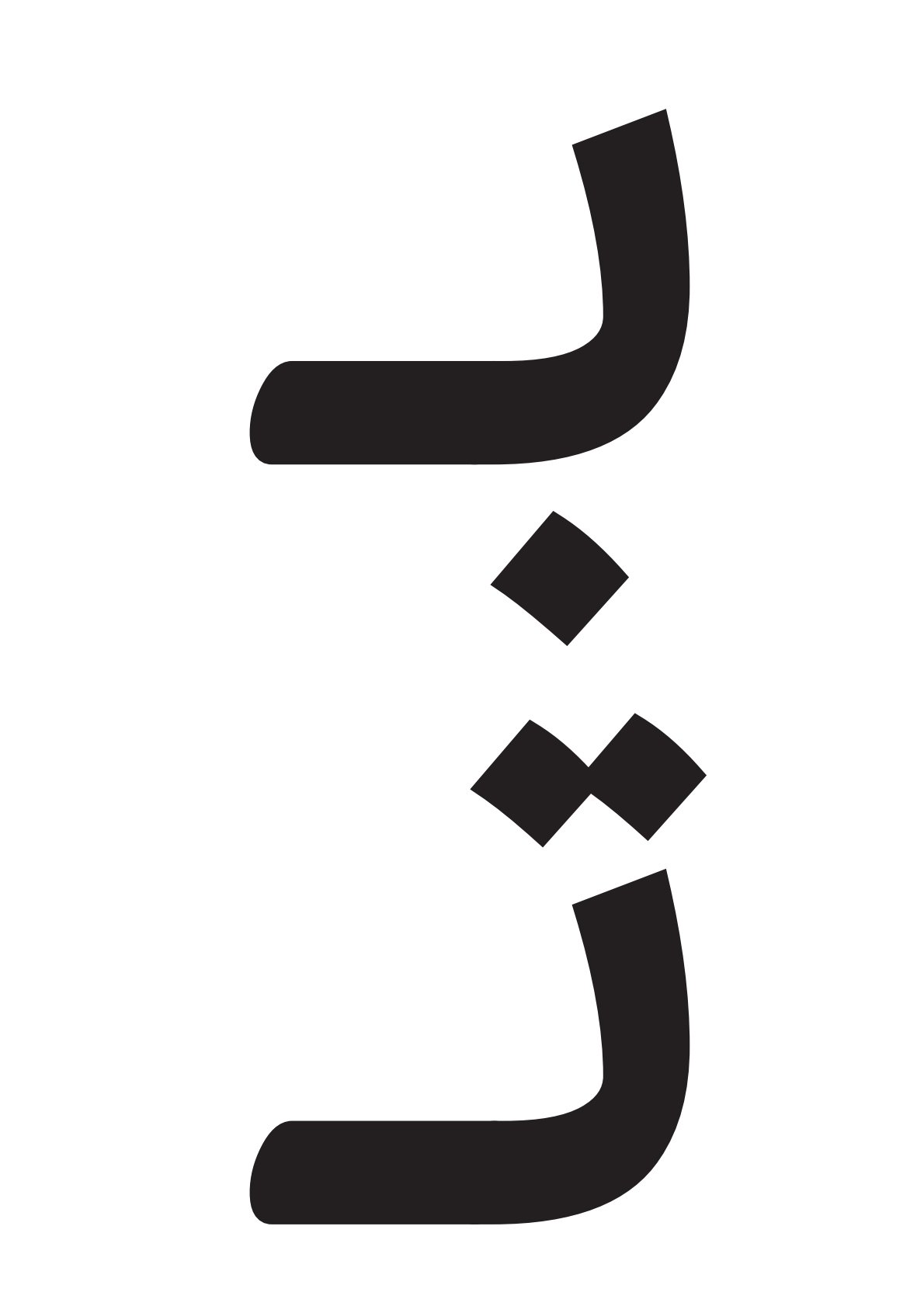
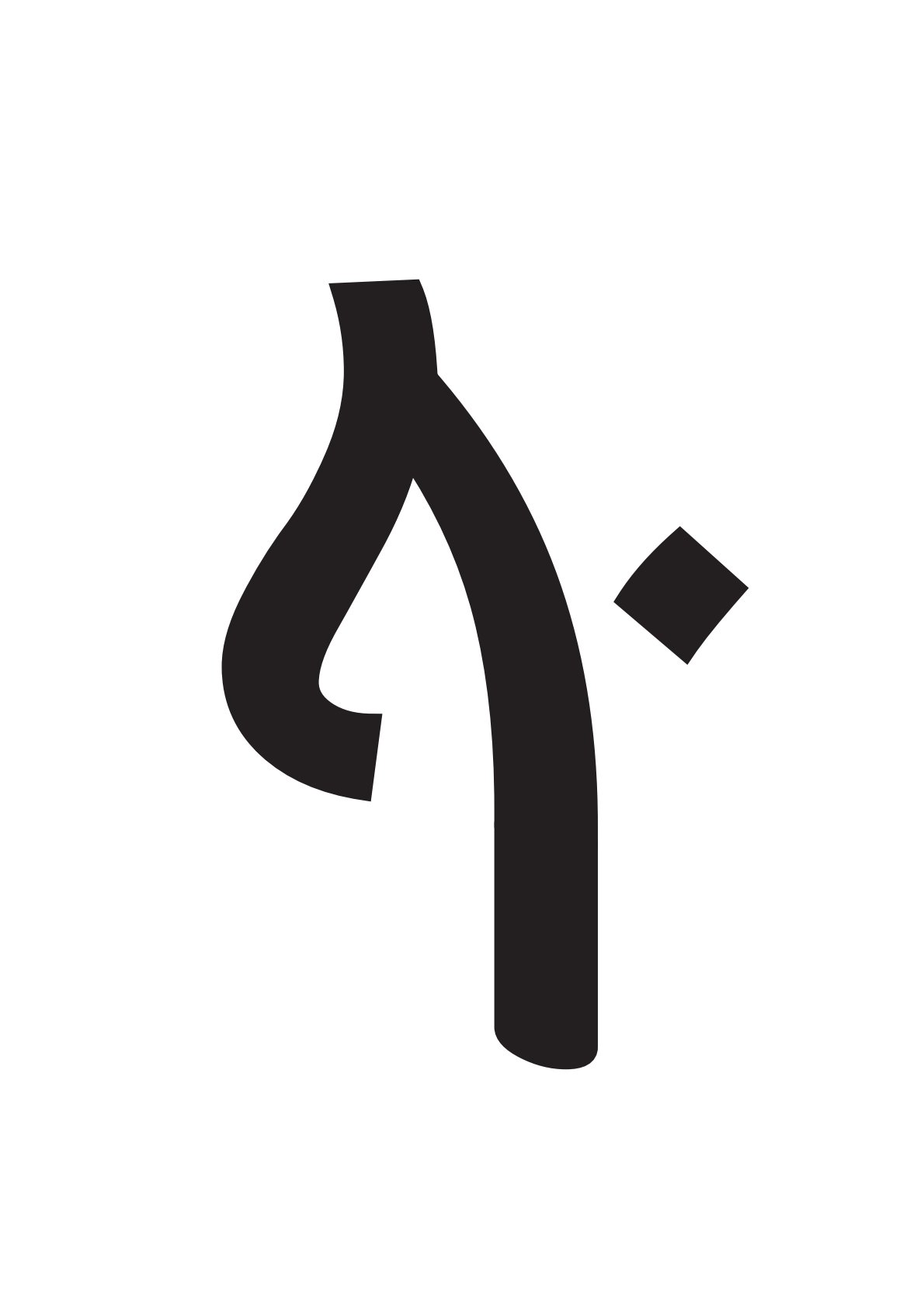
Arabic Letter Positions Guide for Kids: The Step-by-Step Cursive Literacy Handbook
For easy, free direct downloading, the memorandum was also displayed in PDF format. We presented this file to you from the kidslearningarabic blog If it indicated that there was an error. I hope you will leave that in the comments below.
Read also in Arabic: Arabic Letter Positions Guide for Kids: The Step-by-Step Cursive Literacy Handbook