
Teaching a child the Arabic letters isn’t just about showing أ ب ت and hoping it sticks. For many kids, the real challenge is memory + sound + writing direction. They can see the letter, but they struggle to store its shape, connect it to its sound, and then reproduce it with a steady hand.
That’s why Arabic alphabet worksheets (PDF) can be so powerful when they’re designed well. They’re not “busywork.” They’re a simple, friendly training plan that turns each letter from a confusing symbol into a familiar friend your child can recognize, pronounce, and write with confidence.
In this post, you’ll find a clear overview of what our Arabic alphabet worksheets PDF includes, who it’s for, and a practical 10-minute daily routine that makes learning feel light and enjoyable.
What This Arabic Alphabet Worksheets PDF Includes
A strong worksheet pack usually works step-by-step—so the child doesn’t jump from “I’m holding a pencil” to “Write perfectly” in one day. Based on the worksheet style described, this PDF pack focuses on the most important skills:
-
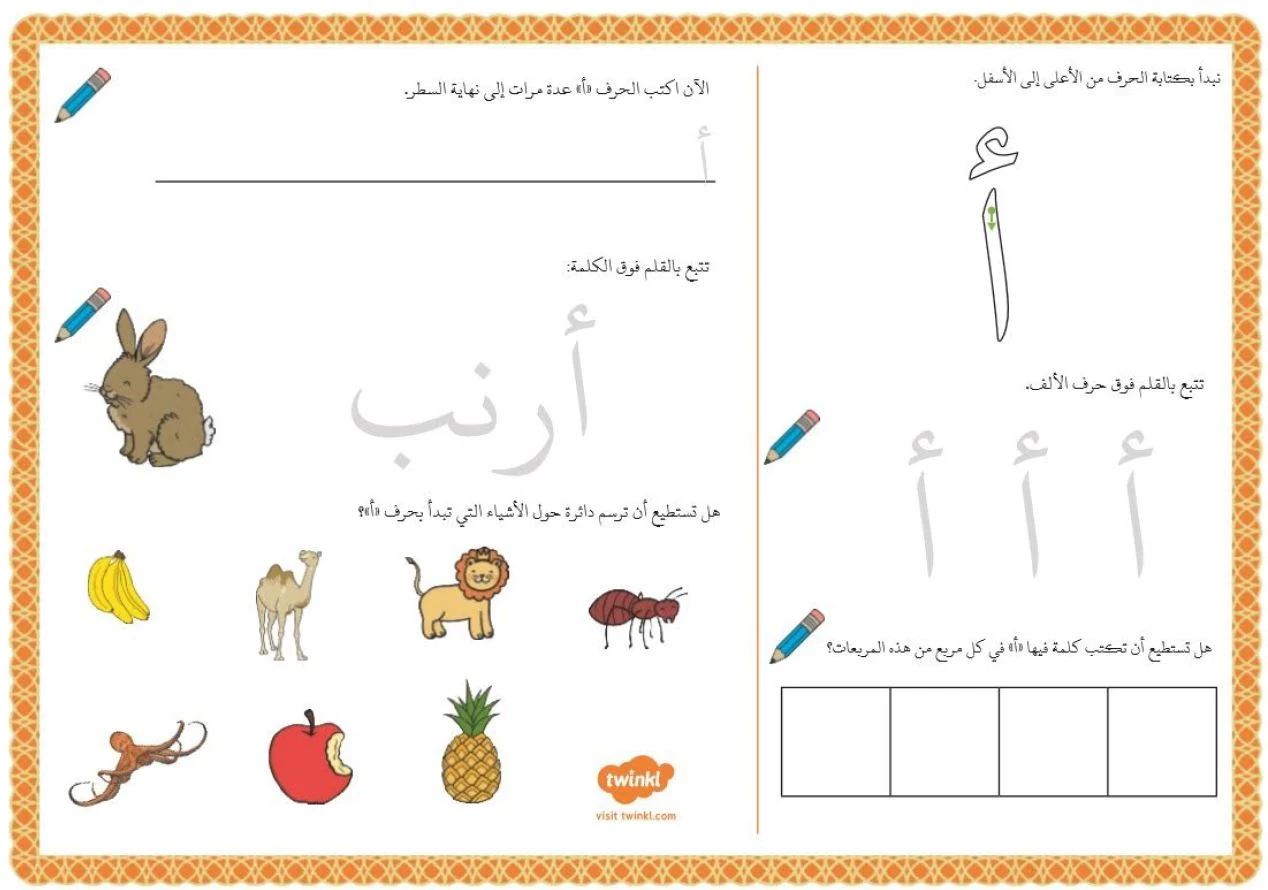
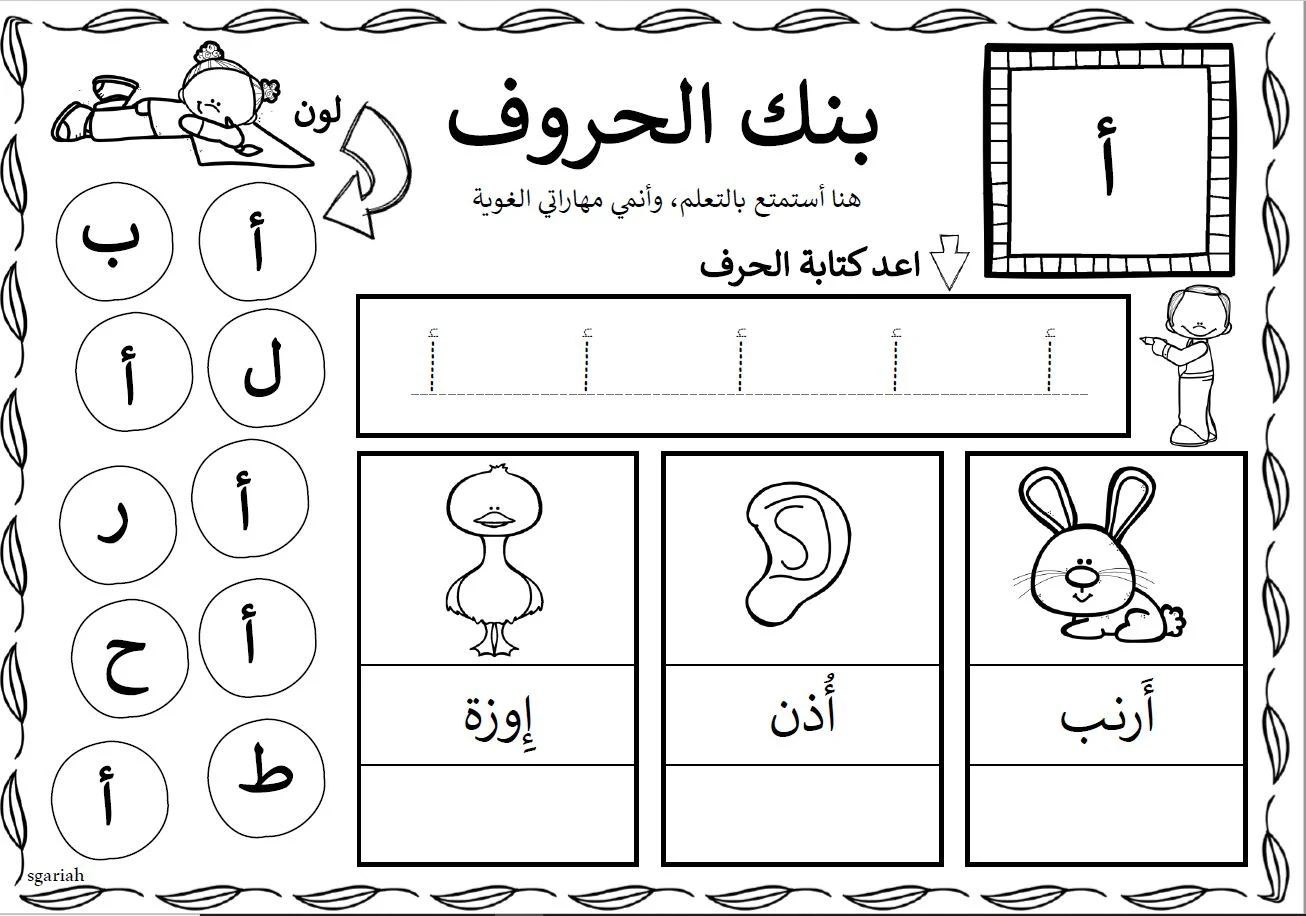
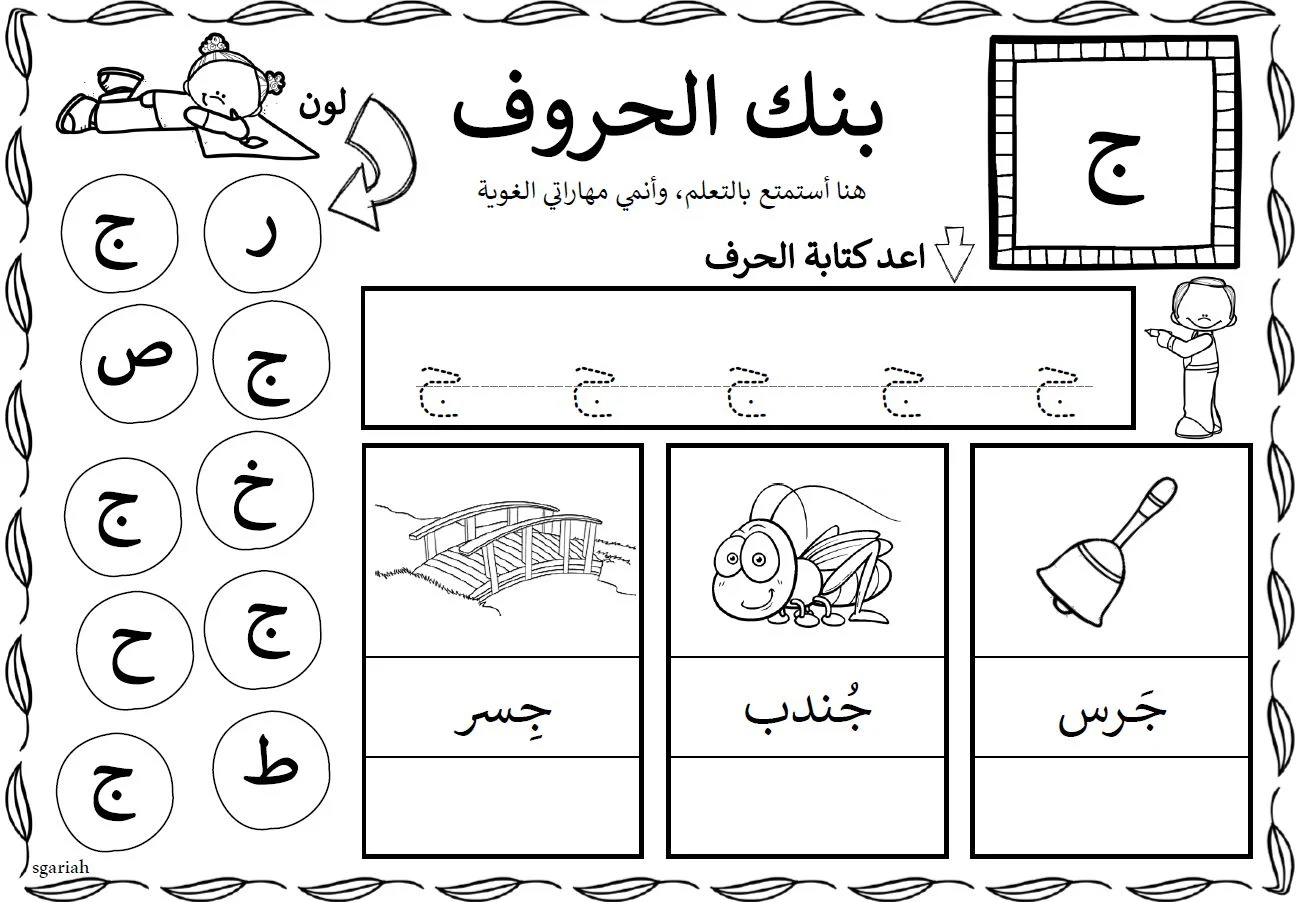
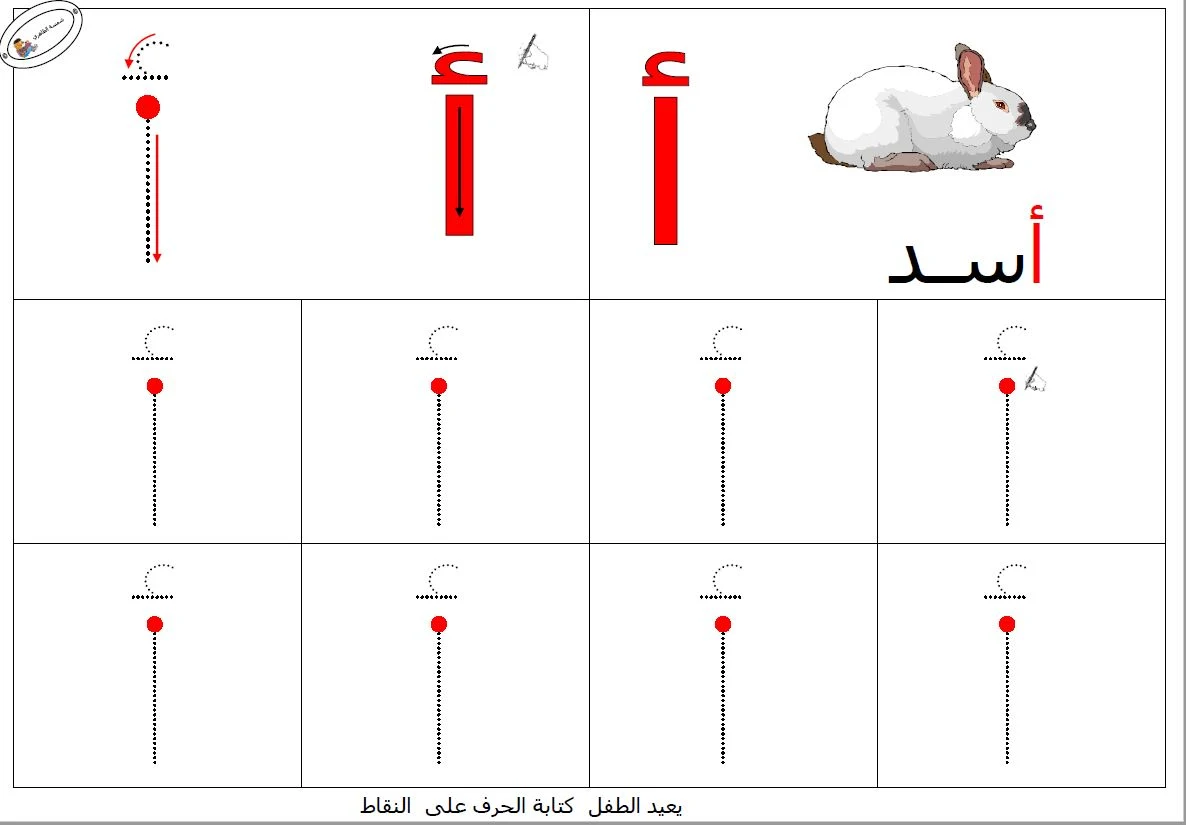
Letter tracing (Tracing): Guided lines to help children follow the correct shape
-
Repeated writing lines: Practice writing the letter multiple times for hand control
-
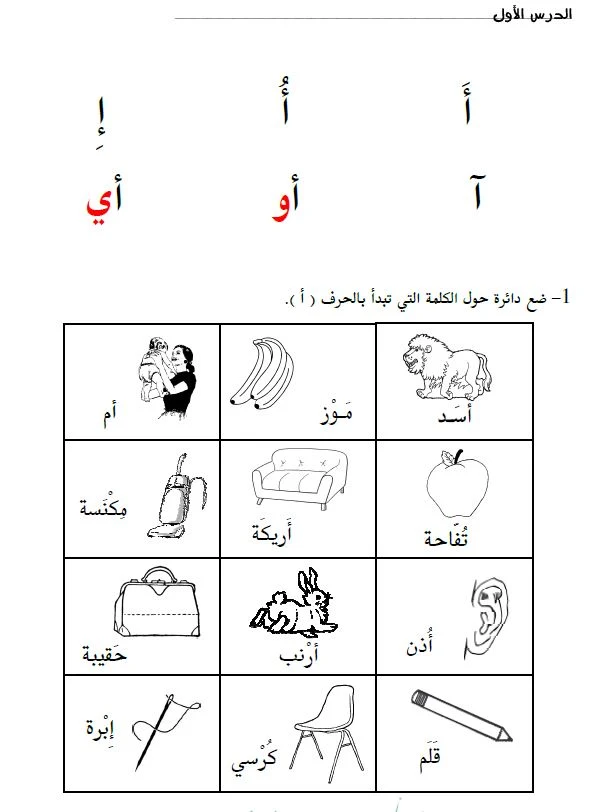
Letter recognition activity: Choose pictures/words that start with the target letter (example: أرنب with أ)
-
Writing boxes: Extra space for writing the letter alone or building a simple word
-
Progress-friendly structure: Trace → write → recognize → reinforce
Who These Worksheets Are Perfect For
These Arabic alphabet worksheets PDF are ideal for:
-
Preschool & Kindergarten (KG / Nursery / Reception)
-
Grade 1–2 (especially kids needing extra support)
-
Homeschool families
-
Children who struggle with pencil grip or fine motor control
-
Kids who get distracted easily (short, focused pages help)
-
Non-native Arabic learners in the early stage (with simple sound practice)
How to Use the Worksheets Without Boredom (10 Minutes a Day)
The most common mistake is printing the full PDF and handing it to the child all at once. That often leads to fatigue, resistance, and “I hate worksheets.”
Instead, use short daily sessions. Consistency beats intensity every time.
The Golden 10-Minute Routine
1 minute – Warm-up
-
Ask: “What sound does this letter make?”
-
Make it playful: “Show me your mouth—where does the sound come from?”
3 minutes – Tracing
-
Trace the letter 1–2 times only
-
Focus on direction, not speed
3 minutes – Independent writing
-
Let the child write the letter alone on the next line
-
Encourage slow, careful writing
2 minutes – Recognition activity
-
Circle pictures/words that start with the letter
-
Say the words out loud together
1 minute – Reward
-
A sticker ⭐, a stamp, or choosing a short story
-
Small rewards keep the habit joyful
With this routine, your Arabic alphabet worksheets PDF becomes a daily “win,” not a heavy homework moment.
The Best Way to Teach Correct Letter Direction (Very Important!)
Correct writing direction saves you so much correction later. Teach a simple rule:
“Start from the top… then go down.”
Try this sequence:
-
Finger tracing first (on the big letter)
-
Light pencil (HB) next
-
Then normal pencil/pen later as confidence improves
When children learn direction early, their handwriting becomes smoother and faster naturally.
1-Minute Pre-Worksheet Activity (Kids Love This)
Before starting the page, do a tiny activity that “primes” the brain:
-
Write the letter in the air with your hand and ask your child to copy you
-
Then draw the letter lightly on the back of their hand with your finger
(Most kids find this funny and memorable!) -
Now open the worksheet and start tracing
This makes the child feel like they already know the letter before they even touch the paper.
After the Worksheet: The “Letter Hunt” Game (Best Reinforcement)
Once the child finishes the page, don’t stop there. Reinforce with a quick game:
-
Find 3 items at home that start with the letter
-
Open a storybook and spot the letter on the page
-
Write 5 mixed letters and say:
“Catch letter ب!” 🧠🎯
Why We Recommend This PDF Pack
Here’s why parents and teachers love this style of worksheets:
-
Clean, simple design (less distraction)
-
Great progression: trace → write → recognize
-
Builds multiple skills in one page
-
Perfect for printing and quick homework
-
Saves teacher/parent preparation time
-
Encourages confidence through small daily wins)

FAQ
1) What age is best for Arabic alphabet worksheets?
Most children benefit from these worksheets from ages 4 to 7, depending on pencil control and attention span.
2) Should my child trace first or write directly?
Start with tracing, then move to independent writing. Tracing helps the brain learn shape + direction safely.
3) How many worksheets should we do per day?
One page a day is enough. 10 minutes daily is more effective than 60 minutes once a week.
4) My child mixes up letters—what should I do?
Use repetition + recognition games. Also add sound practice and connect the letter to a picture/word.
5) Do these worksheets help reading too?
Yes—because they build letter recognition, sound awareness, and visual memory, which are key foundations for reading.
6) Can teachers use this PDF in class?
Yes, especially for literacy centers and homework—just make sure your usage permissions match how you share files.
Download Arabic Alphabet Worksheets PDF (Direct Link)
📥 Download PDF: (Put your direct download buttons/links here)
Download Notes (Helpful + AdSense-safe):
-
If the download link doesn’t work, try refreshing the page or using a different browser.
-
If the file is hosted externally, the speed may depend on the hosting provider.
-
If you’re the creator of the file: you can add “free” only if it is truly free to access.
-
For classroom/home use, it’s best to mention your usage policy (personal use / classroom use).
-
📥 Direct Download Link
-
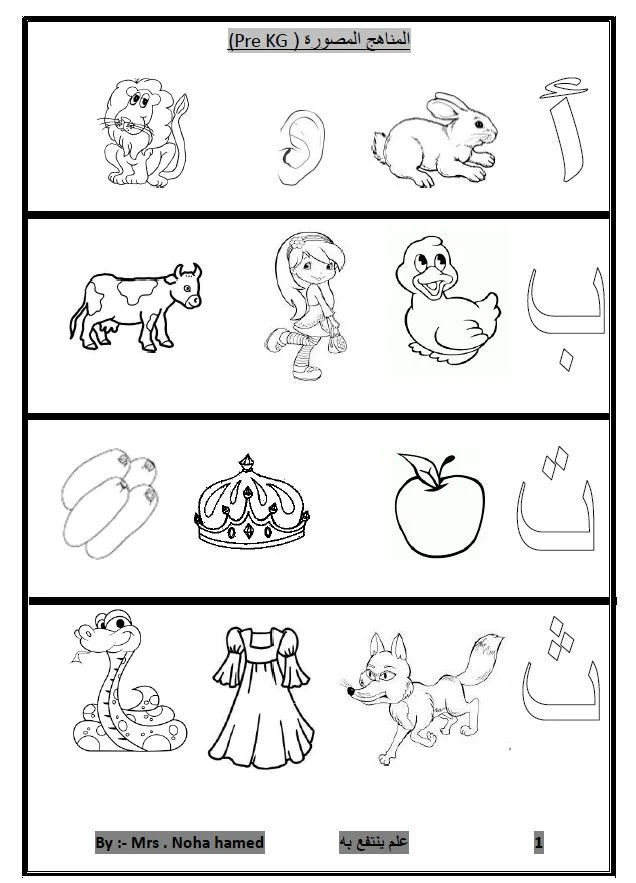
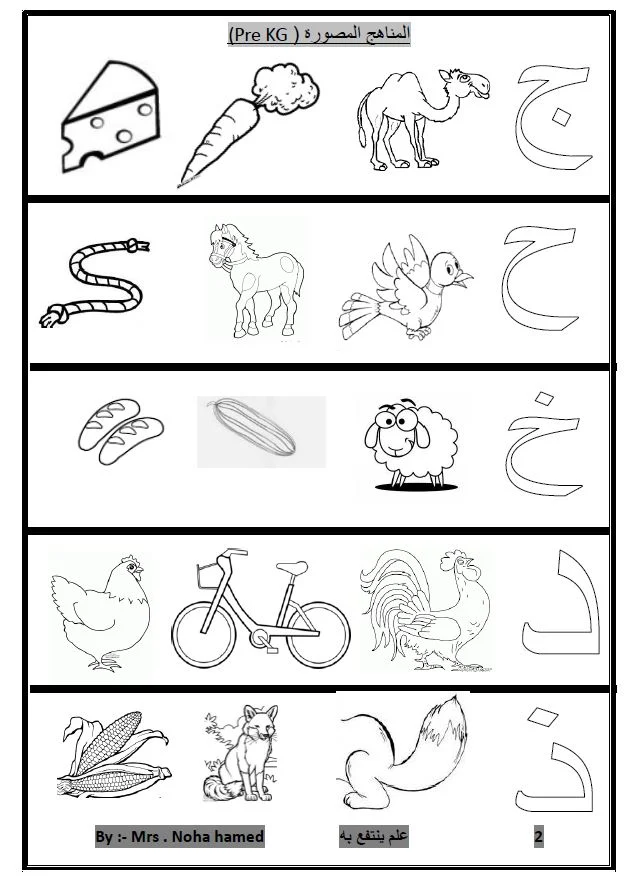
Illustrated Curriculum Worksheets: Arabic Letters with Pictures (PDF) – Direct Download