
Using Arabic letter tracing and writing worksheets pdf is one of the most practical and proven ways to guide early learners from tentative pencil grips to fluent, confident Arabic script. Learning to write Arabic involves mastering flowing curves, precise dots, and strict baseline rules that can feel overwhelming without clear visual scaffolding. Dedicated tracing and writing sheets break each character down into intuitive, repeatable motions, turning early penmanship into a fun and rewarding daily achievement.
Whether you are designing a handwriting center in a kindergarten classroom, helping a preschooler prepare for formal school, or homeschooling your young learner, this printable worksheet pack provides the structure and repetition children need to thrive.
Why Choose Our Arabic Letter Tracing and Writing Worksheets PDF?
Consistent, guided repetition forms the foundation of neat handwriting. Here is why parents and early childhood educators rely on these Arabic letter tracing and writing worksheets pdf:
- Progressive Practice Rows: Each page starts with large, clear dotted paths for tracing before transitioning into ruled blank lines for independent copying.
- Directional Arrows & Starting Points: Visual cues prompt children to write in the natural right-to-left direction and use proper stroke sequencing.
- Baseline Alignment Guides: Lined margins teach kids which parts of a letter sit directly on the line and which curved tails loop below.
- Integrated Phonics & Pictures: Every character is paired with a charming illustration and a vocalized (Tashkeel) word, linking handwriting to vocabulary and pronunciation.
Key Foundations Your Child Will Build
Practicing consistently with these Arabic letter tracing and writing worksheets pdf establishes essential developmental milestones:
- Pencil Grip & Fine Motor Endurance: Strengthening finger muscles and refining the pincer grasp for fatigue-free writing.
- Dot Placement & Proportions: Training eyes and hands to position single, double, and triple dots accurately above or below letters.
- Stroke Memory & Directionality: Internalizing right-to-left stroke mechanics so letter formation becomes automatic and fluid.
- Writing Independence: Developing the pride and self-assurance needed to write neat Arabic characters without tracing prompts.
Simple and Creative Ways to Practice at Home or School
A calm, engaging daily routine keeps handwriting sessions enjoyable and productive:
- Finger-Tracing Warm-Up: Have your child glide an index finger along the large model letter first while vocalizing the sound out loud.
- Bite-Sized Sessions: Spend 10 to 15 focused minutes on one letter page per day; neatness and focus matter far more than completing multiple pages quickly.
- Make It Reusable: Slip the practice sheets into transparent dry-erase sleeves so your child can trace with colorful wipe-off markers and try again anytime.
- Color as a Reward: Let your child color in the featured illustration once they finish their writing lines to wrap up the lesson on a creative note.
Download Your Arabic Letter Tracing and Writing Worksheets PDF
Ready to help your little learner develop neat, confident Arabic penmanship? Download your free, high-resolution Arabic letter tracing and writing worksheets pdf using the download button below. Print out the activity sheets, sharpen a pencil, and enjoy watching your child write their first Arabic letters with pride
Images from Arabic Letter Tracing and Writing Worksheets PDF
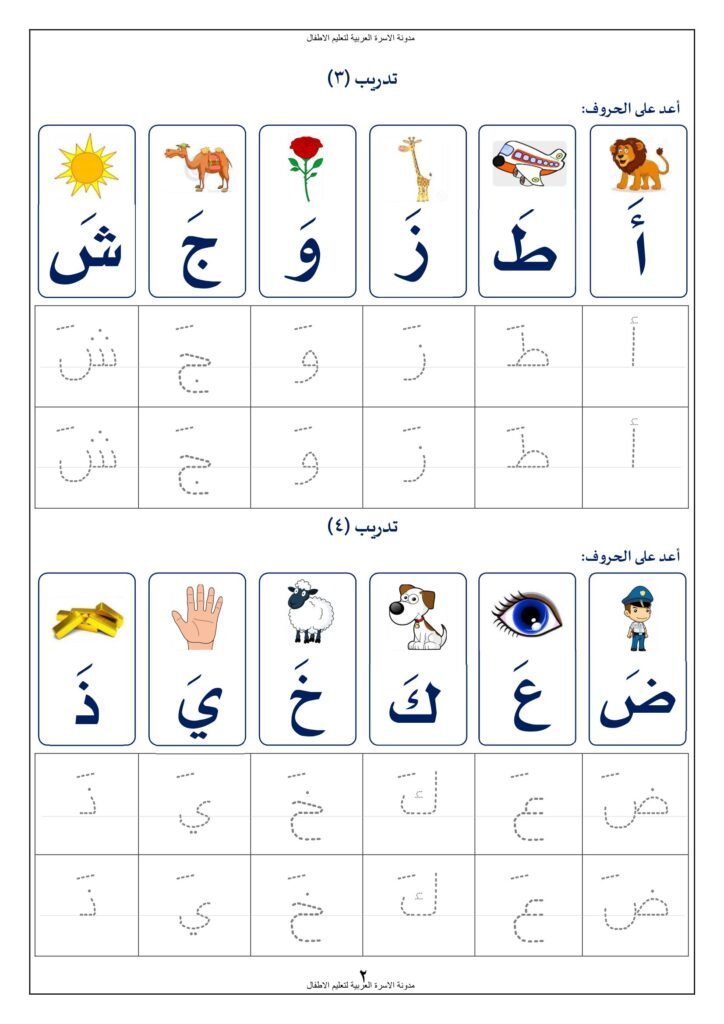
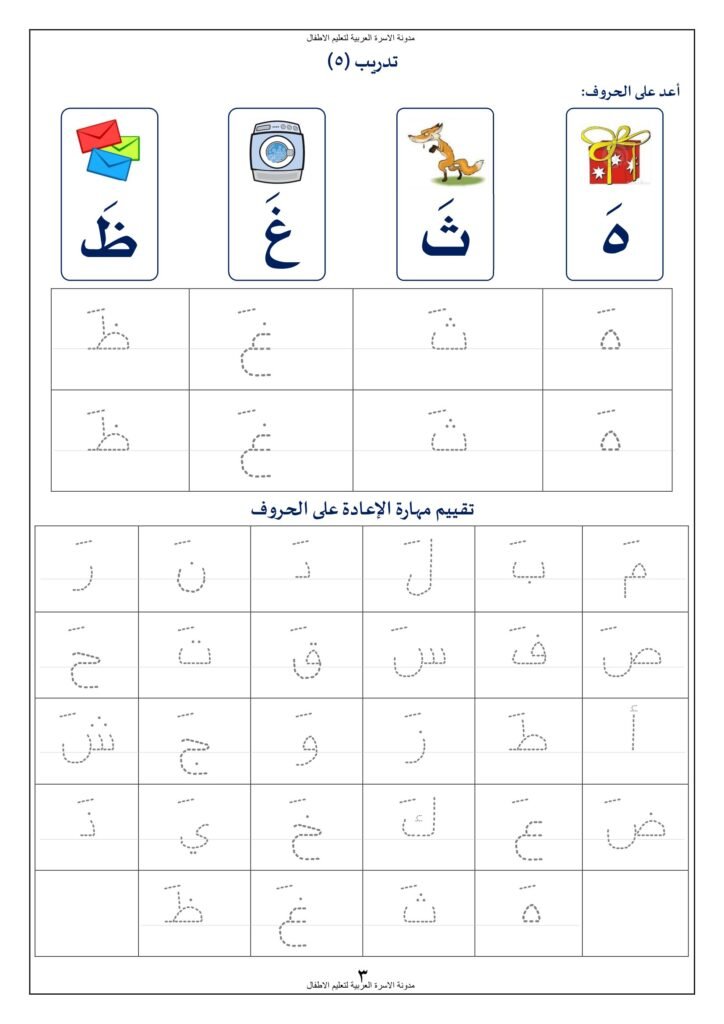
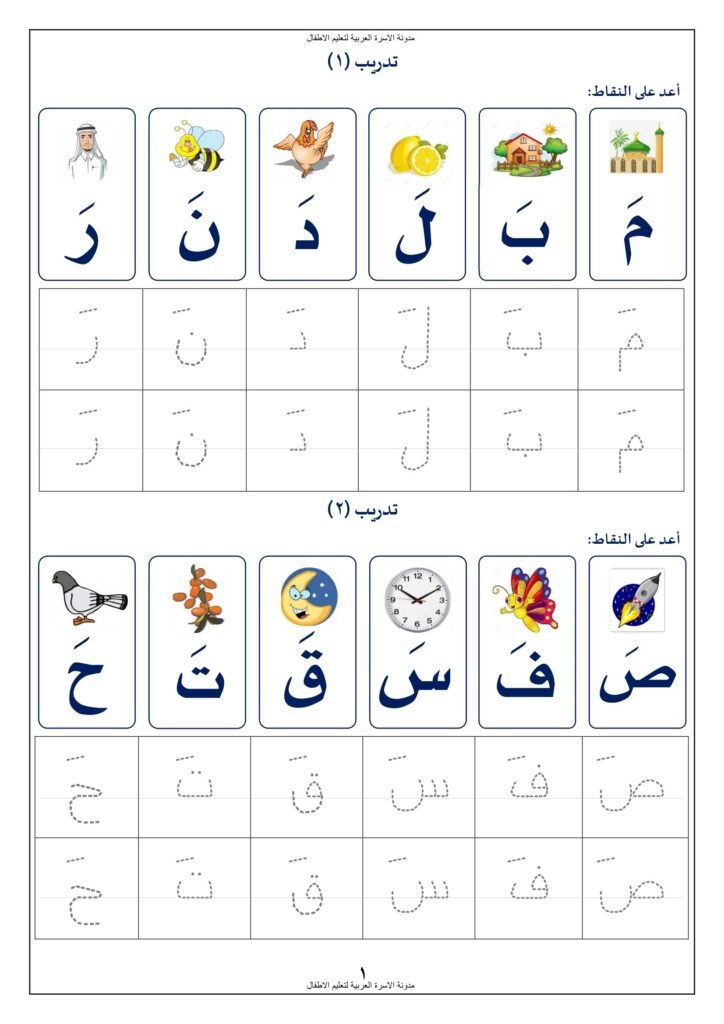
Arabic Letter Tracing and Writing Worksheets PDF: The Step-by-Step Path to Confident Penmanship
For easy, free direct downloading, the memorandum was also displayed in PDF format. We presented this file to you from the kidslearningarabic blog If it indicated that there was an error. I hope you will leave that in the comments below.
Read also in Arabic: Arabic Letter Tracing and Writing Worksheets PDF: The Step-by-Step Path to Confident Penmanship