
Using a three-letter Arabic words workbook pdf is one of the most critical and rewarding milestones in early childhood Arabic literacy. Once children know individual alphabet letters, the next essential bridge is learning how these separate characters blend together to form full, meaningful words. Three-letter words (CVC/tri-literal roots) vocalized with short vowels (Harakat: Fatha, Kasra, Damma) are the foundational building blocks of Arabic reading, giving learners immediate success and boosting their confidence.
Whether you are preparing a kindergarten classroom for early phonics, guiding a first-grade student who needs decoding practice, or homeschooling your child step by step, this printable booklet provides the structured practice little readers need to succeed.
Why Choose Our Three-Letter Arabic Words Workbook PDF?
Transitioning from isolated letters to joined cursive words requires structured visual and phonetic support. Here is why parents and educators rely on this three-letter Arabic words workbook pdf:
- Systematic Phonics Progression: Focuses on simple three-letter words starting with pure Fatha words (like دَرَسَ and كَتَبَ), gradually introducing mixed short vowel patterns.
- Connected Letter Form Practice: Demonstrates clearly how letters change their shapes when connecting at the beginning, middle, and end of a word.
- Integrated Reading and Handwriting: Combines phonetic decoding rows with lined handwriting tracks for guided tracing and independent copying.
- Visual Context & Illustrations: Every word is paired with a child-friendly illustration to reinforce comprehension and vocabulary alongside decoding.
Key Foundations Your Child Will Build
Practicing consistently with this three-letter Arabic words workbook pdf develops essential reading and writing milestones:
- Phonetic Blending: Moving smoothly from sounding out letters individually to blending three sounds into a complete spoken word.
- Cursive Connection Rules: Understanding how connecting letters join arms along the baseline and recognizing non-connecting “stubborn” letters (like د, ذ, ر, ز, و, and أ).
- Pencil Precision & Baseline Neatness: Writing joined words accurately along ruled lines while keeping proper letter proportions and dot positions.
- Independent Reading Fluency: Building the speed and confidence needed to read simple sentences and early leveled readers.
Simple and Effective Ways to Practice at Home or School
A few minutes of relaxed, focused practice each day produces lasting reading fluency:
- Sound-and-Slide Technique: Have your child point to each letter and make its short-vowel sound slowly, then slide their finger quickly under the whole word to blend it aloud.
- Finger-Trace Before Writing: Encourage your child to trace the connected cursive word with their index finger first to understand where strokes start and stop.
- Make It Reusable: Slip the worksheets into clear plastic sleeves so children can practice with dry-erase markers, wipe away mistakes, and try again.
- Build-a-Word with Letter Tiles: Use magnetic or cut-out Arabic letter cards to physically assemble the three letters before writing them down on the page.
Download Your Three-Letter Arabic Words Workbook PDF
Ready to help your young reader take their first confident steps into reading and spelling complete Arabic words? Download your free printable three-letter Arabic words workbook pdf using the download button below. Print out the booklet, sharpen a pencil, and enjoy watching your little learner blend letters into fluent words with pride.
Images from Three-Letter Arabic Words Workbook PDF
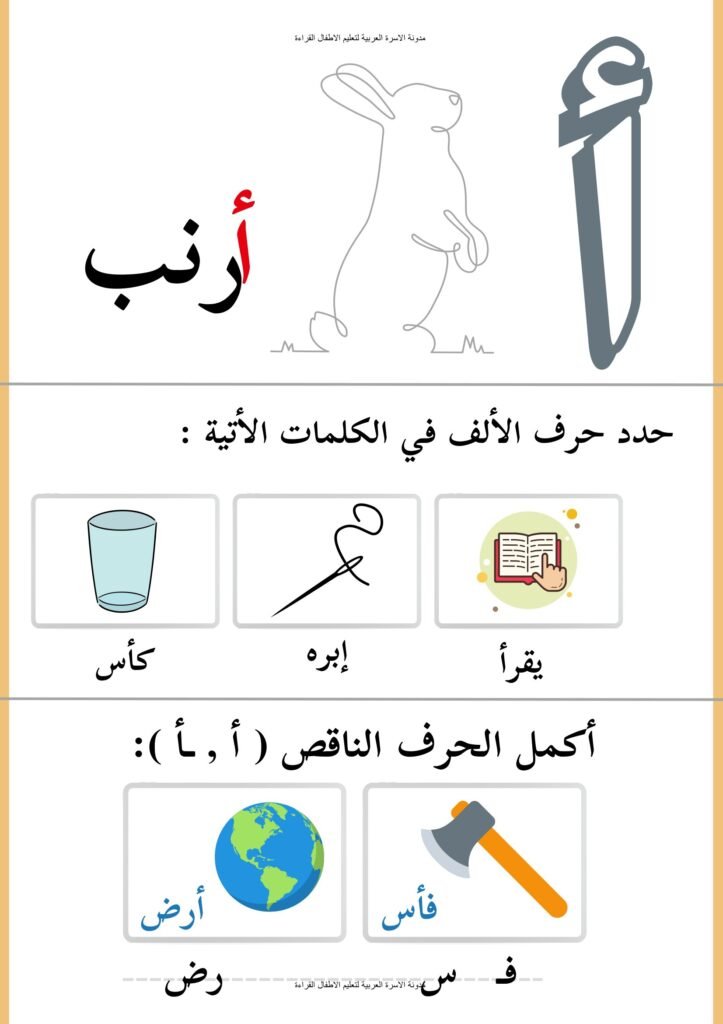
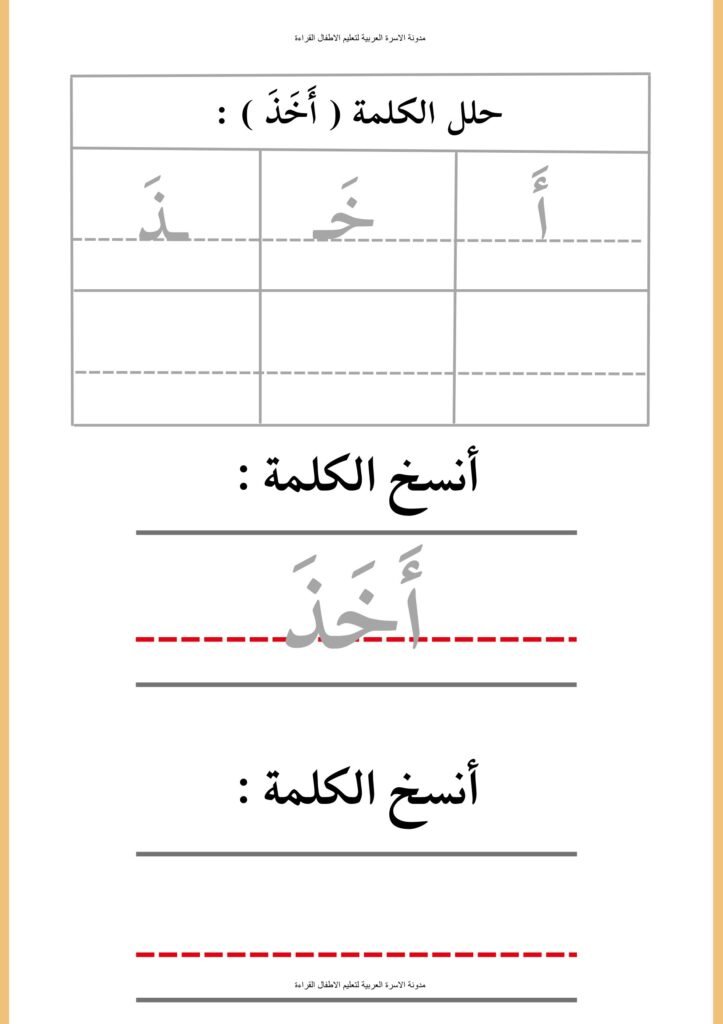
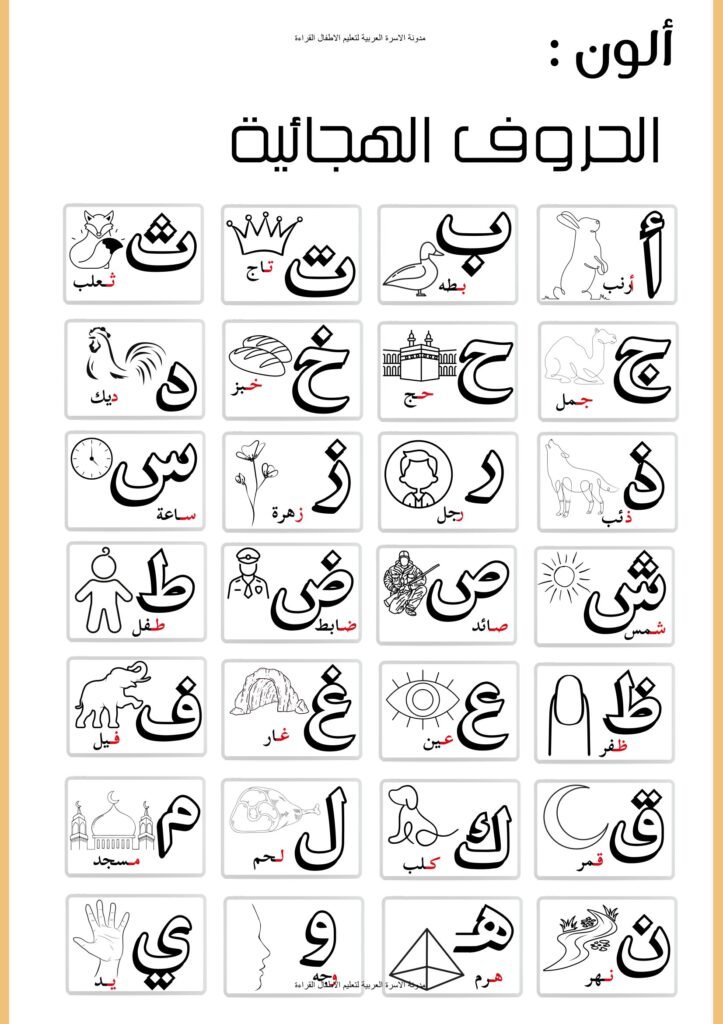
Three-Letter Arabic Words Workbook PDF: The Step-by-Step Word Blending Guide
For easy, free direct downloading, the memorandum was also displayed in PDF format. We presented this file to you from the kidslearningarabic blog If it indicated that there was an error. I hope you will leave that in the comments below.
Read also in Arabic: Three-Letter Arabic Words Workbook PDF: The Step-by-Step Word Blending Guide