
Using an Arabic alphabet pronunciation and reading exercises pdf is one of the most reliable and effective ways to help early learners master accurate speech sounds before diving into complex reading. Arabic features distinct phonetic nuances—ranging from soft whispers to deep throat articulations—that can feel challenging for young children to differentiate without deliberate auditory training. A structured pronunciation and reading booklet breaks down each character into clear phonetic cues, allowing young learners to connect visual shapes with crisp, authentic spoken sounds from day one.
Whether you are leading early phonics drills in a kindergarten classroom, setting up an independent reading station, or homeschooling your young reader, this printable resource delivers the phonological scaffolding needed to build confident, fluent readers.
Why Choose Our Arabic Alphabet Pronunciation and Reading Exercises PDF?
Focusing on auditory precision early prevents speech misarticulations and decoding confusion. Here is why parents and early childhood educators rely on this Arabic alphabet pronunciation and reading exercises pdf:
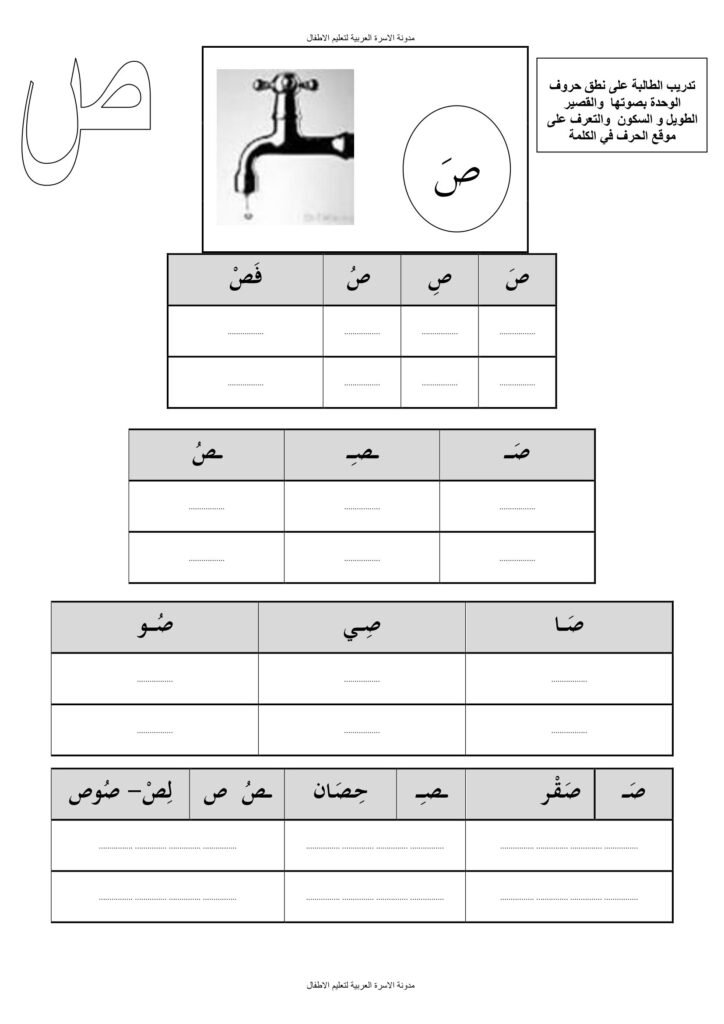
- Targeted Articulation Practice: Guides children through the exact vocal exits (Makharij) of Arabic letters, distinguishing light sounds from heavy, emphatic counterparts.
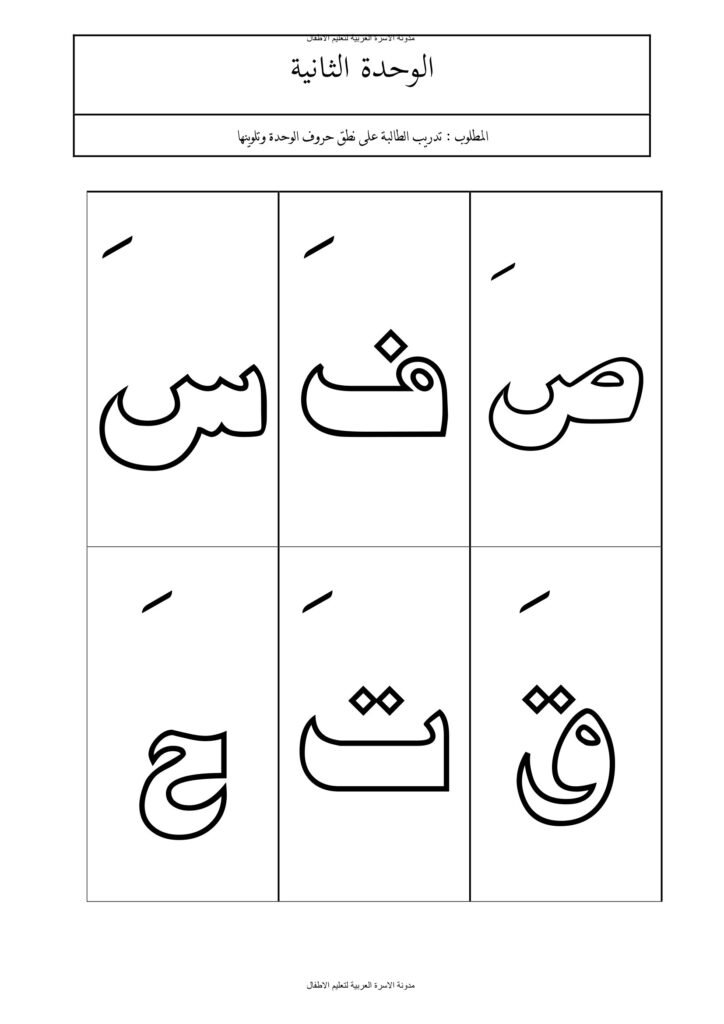
- Short Vowel Phonics Ladders: Features systematic reading drills showing how each letter sounds when paired with Fatha, Damma, and Kasra.
- Vocalized Sample Words: Every character includes fully vocalized (Tashkeel) everyday vocabulary words to model authentic classical Arabic (Fus’ha) speech.
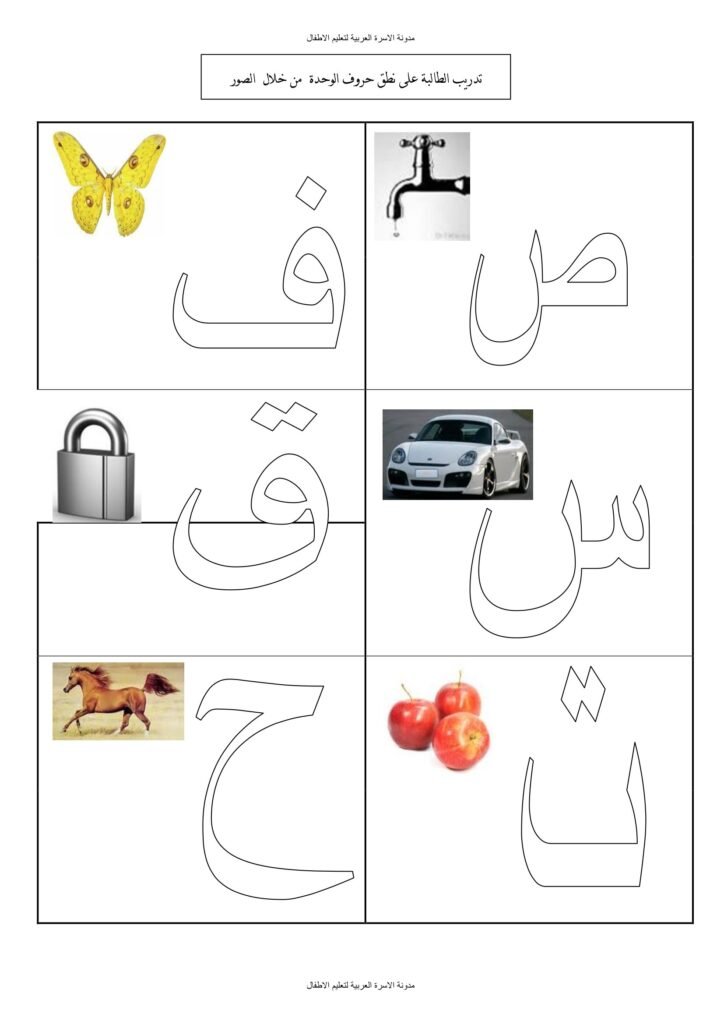
- Child-Friendly Visual Prompts: Colorful, recognizable illustrations provide immediate context clues so children can self-correct their pronunciation naturally.
Key Foundations Your Child Will Build
Practicing consistently with this Arabic alphabet pronunciation and reading exercises pdf establishes essential early literacy milestones:
- Phonemic Discrimination: Easily distinguishing between similar-sounding letters like Taa (ت) and Taa (ط), or Seen (س) and Sad (ص).
- Short-Vowel Fluency: Instantaneously recognizing how vowel marks modify letter sounds without pausing to decipher them.
- Auditory-Visual Association: Connecting printed letter forms directly to clear spoken sounds rather than relying on rote letter names.
- Confident Early Decoding: Equipping young minds with the essential phonics tools required to read multi-letter words and beginner stories smoothly.
Practical Ways to Structure Daily Reading & Speech Practice
A short, engaging daily routine builds lasting phonological confidence:
- The Echo Game: Pronounce the letter sound clearly and have your child repeat it right after you, exaggerating the mouth shape for clarity.
- Short 5-to-10-Minute Reading Sprints: Keep pronunciation drills quick, vibrant, and energetic to preserve high focus and enthusiasm.
- Mirror Warm-Up: Let your child hold a small mirror to observe how their lips and tongue move when producing heavy versus light letters.
- Picture Detective Challenge: Point to the featured illustration, pronounce the word together, and ask your child to identify the starting sound on the page.
Images from Arabic Alphabet Pronunciation and Reading Exercises PDF
Arabic Alphabet Pronunciation and Reading Exercises PDF: The Phonetic Path to Fluent Reading
For easy, free direct downloading, the memorandum was also displayed in PDF format. We presented this file to you from the kidslearningarabic blog If it indicated that there was an error. I hope you will leave that in the comments below.
Read also in Arabic: Arabic Alphabet Pronunciation and Reading Exercises PDF: The Phonetic Path to Fluent Reading