
Arabic alphabet worksheets for kids turn what often looks like an intimidating maze of dots, curves, and shifting forms into an adventurous visual playground. When parents and early educators introduce the 28 characters of the Arabic script, children quickly realize that this alphabet does not behave like Latin letters. Instead of standing side-by-side in rigid blocks, Arabic letters dance across the line: some glide along the floor like canoes, others dive deep beneath the surface like ocean anchors, and a select few refuse to hold hands at all.
Unlocking that cursive charm without overwhelming little hands comes down to organizing the letters by their shared family shapes and natural vocal personalities.
Organizing the 28 Letters by Visual Families
Rather than tackling 28 isolated symbols in a vacuum, teaching children to spot family resemblances cuts learning time in half:
- The Flat Baseline Boats (Baa, Taa, Thaa): Shallow vessels that cruise along the line, defined entirely by whether their dots drop below or stack like towers above.
- The High-Peak Crown Waves (Jeem, Haa, Khaa): A soaring horizontal brow that plunges into an expansive belly beneath the rail.
- The Sharp Angle Pair (Daal, Dhaal): Open wooden corners that sit squarely on the baseline and refuse to connect to left-hand neighbors.
- The Playground Slides (Raa, Zay): Short steps above the line that immediately swoosh into an unbroken sub-baseline curve.
- The Wave & Loop Dynasties (Seen, Sheen, Saad, Daad): Triple-toothed ripples and soaring oval loops that terminate in wide, underground basins.
- The Tall Mast Ships (Taa, Zhaa): Flat oval decks crowned by proud, towering vertical rudders that never dip below the floor.
The Rebellious Six: The non-connecting characters (Alif, Daal, Dhaal, Raa, Zay, Waw) that establish fundamental cursive spacing rules.
Multi-Sensory Phonics: Pairing Sounds with Physical Action
Developing clear phonetic awareness happens when auditory feedback links directly to tactile movement:
- Throat vs. Lip Sorting: Group letters by where they vibrate—contrast airy lip flutters like Faa and Baa with warm, deep pharyngeal resonance like Haa (ح) and Ayn (ع).
- The “Dot Hunt” Finger Race: Spread mixed alphabet cards across the table and challenge your learner to gather all single-dot, double-dot, and three-dot letters into separate baskets.
- Tray Carving in Salt or Sand: Pour colored sand into a shallow tray, calling out random letter names for your child to carve out before smoothing the sand with a palm swipe.
Inside This Comprehensive Printable Collection
This all-in-one foundation kit replaces disjointed printouts with a systematic, step-by-step curriculum:
- Progressive Stroke Sequences: Numbered entry arrows showing exactly where every loop takes off and where each tail dips beneath the line.
- Stand-Alone and Connected Grids: Side-by-side models teaching children how letters look resting alone versus linking hands across words.
- Vibrant Phonics Vocabulary: Over 80 high-interest child vocabulary words illustrated with clear, high-contrast outlines ready for coloring.
- Printer-Ready Modular PDF: Clean monochrome layouts optimized for standard home printing, everyday crayons, and dot-marker stamping.
Images from Arabic Alphabet Worksheets for Kids
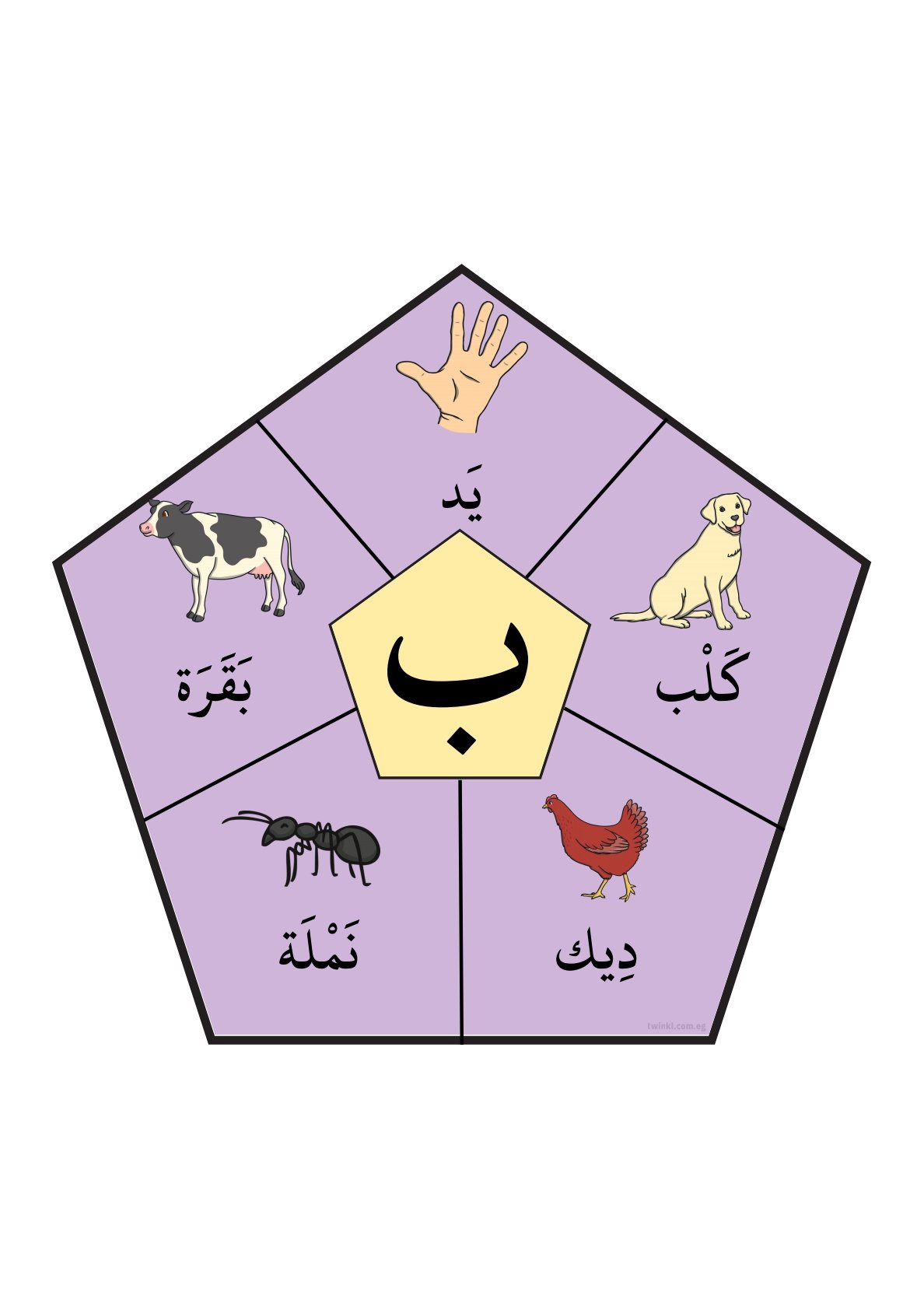
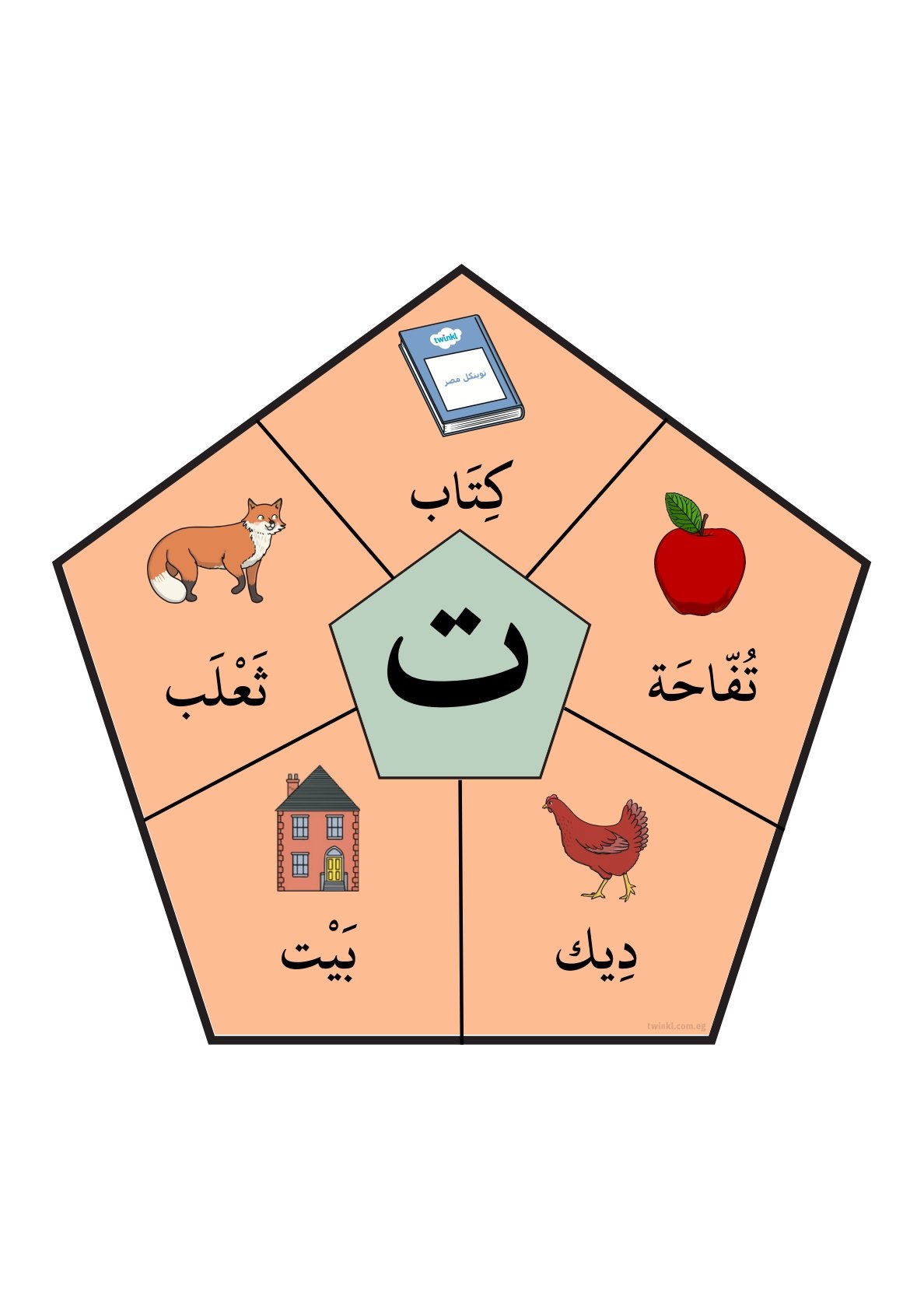
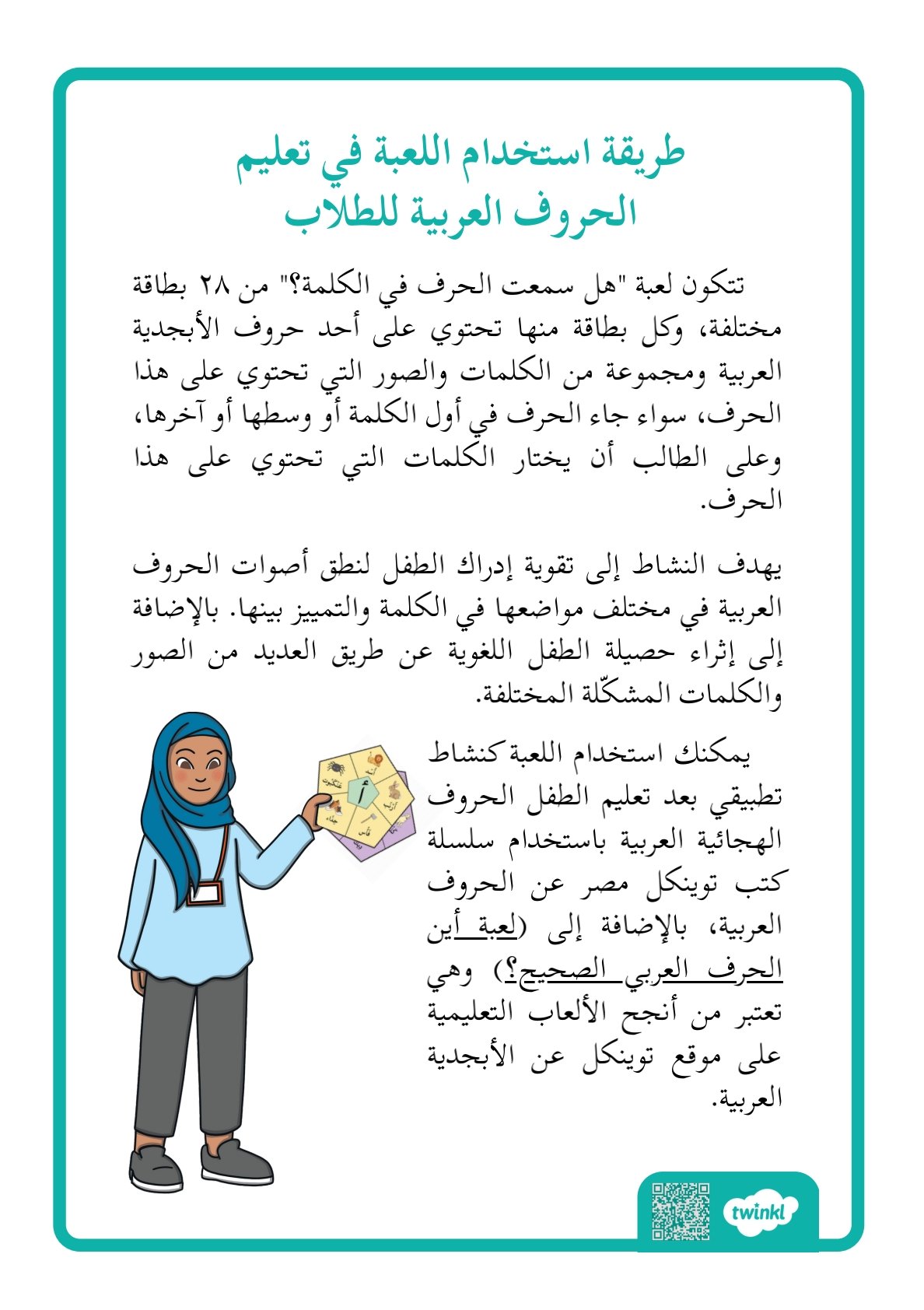
Arabic Alphabet Worksheets for Kids: The All-in-One Roadmap to Fluent Reading
For easy, free direct downloading, the memorandum was also displayed in PDF format. We presented this file to you from the kidslearningarabic blog If it indicated that there was an error. I hope you will leave that in the comments below.
Read also in Arabic: Arabic Alphabet Worksheets for Kids: The All-in-One Roadmap to Fluent Reading