
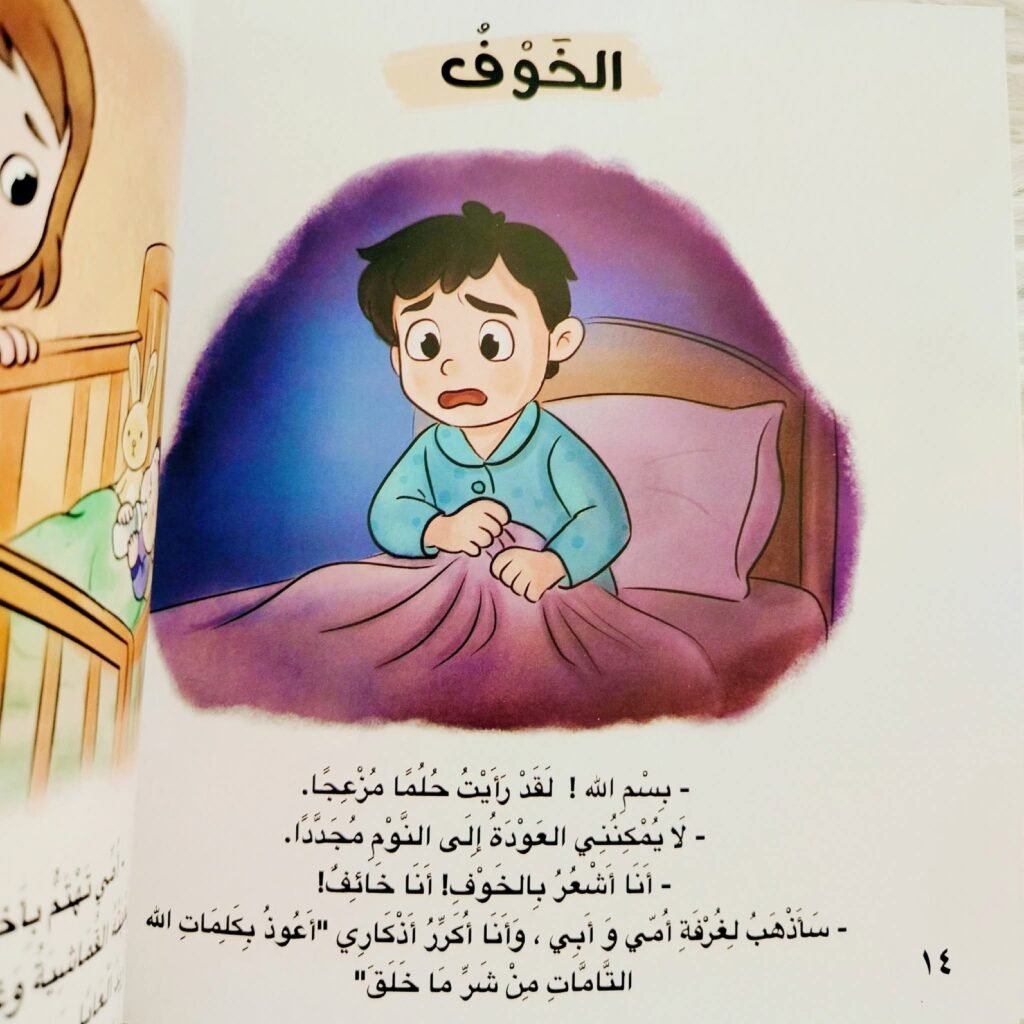
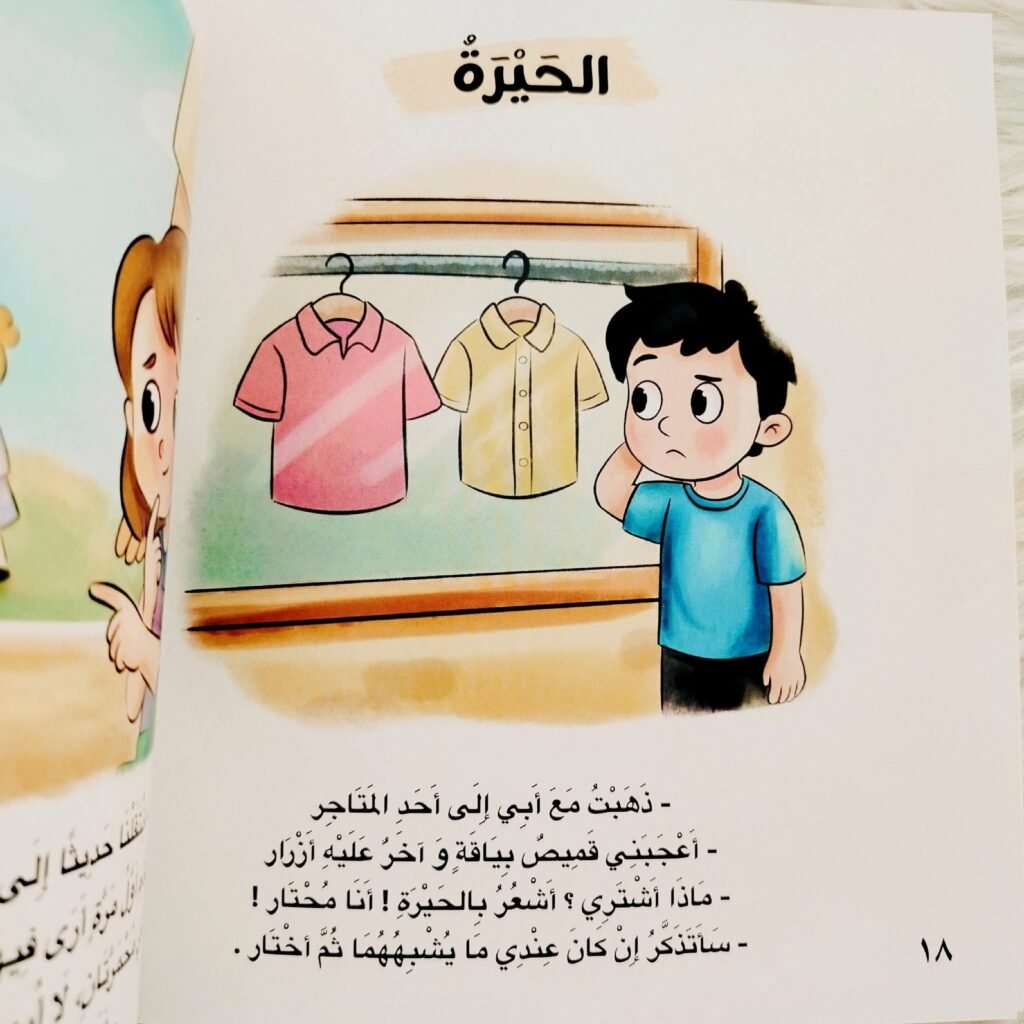
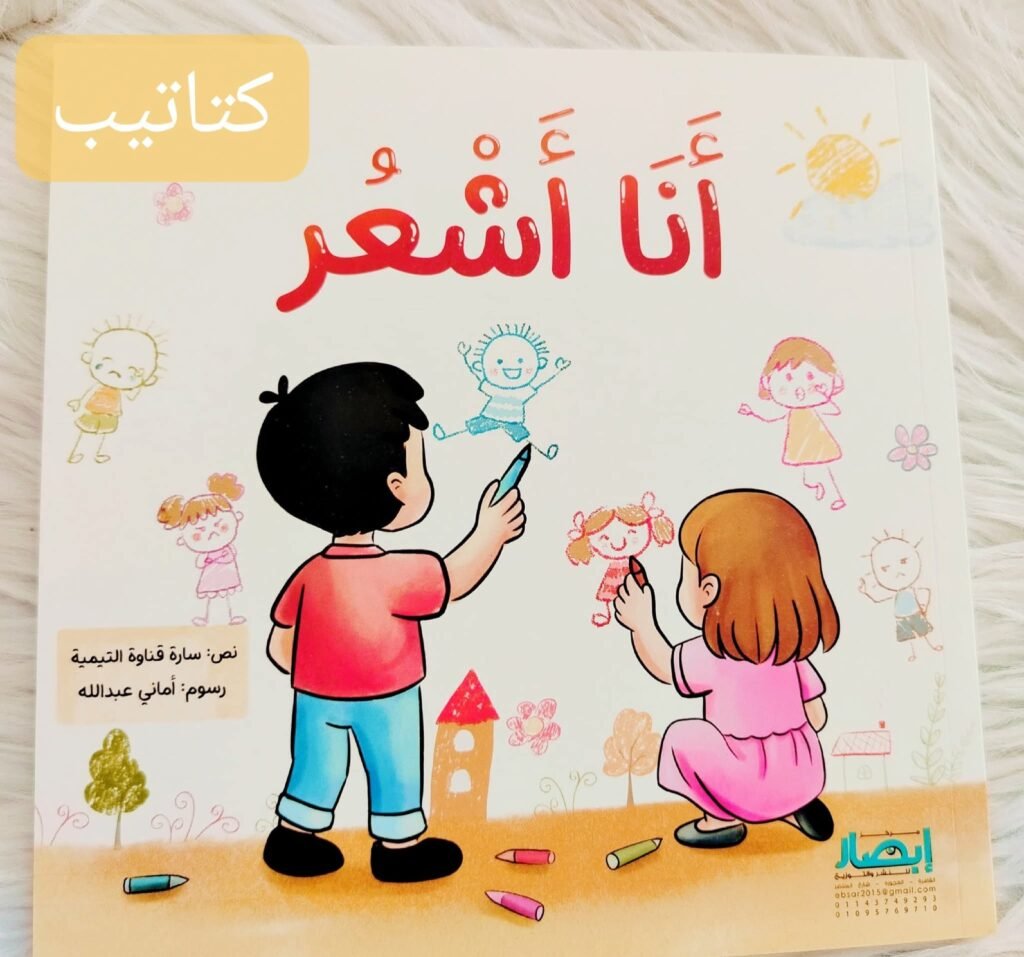
Arabic emotions and feelings books for kids offer parents and educators an essential foundation for developing social-emotional intelligence alongside early reading. Young children often experience intense, overwhelming sensations—like frustration, sadness, excitement, or fear—without having the specific vocabulary to label or express them constructively. The illustrated book I Feel (Ana Ash’ur) introduces emerging readers to a comforting, visual catalog of everyday human emotions. For young kids, exploring expressive character faces and relatable situations transforms confusing internal feelings into manageable, recognized words that can be calmly discussed and understood.
Connecting expressive facial cues with rich descriptive language creates an empowering early learning environment. Here is why structured emotional literacy resources form the ideal foundation for early childhood well-being and communication.
Why Choose Arabic Emotions and Feelings Books for Kids?
Reading regularly with Arabic emotions and feelings books for kids delivers vital psychological and educational advantages:
- Builds Emotional Self-Awareness: Helps young learners accurately identify and name what they feel inside—distinguishing happiness (Farah), anger (Ghadab), and worry (Qalaq).
- Teaches Constructive Self-Regulation: Models healthy coping strategies, demonstrating that feeling upset is natural, while offering calm paths to de-escalate frustration.
- Cultivates Interpersonal Empathy: Enhances the ability to read friends’ and family members’ facial expressions and body language with sensitivity.
- Enriches Expressive Arabic Vocabulary: Introduces rich psychological and descriptive terms in fully vocalized (tashkeel) Arabic suited for meaningful dialogue.
Inside This Kids Feelings Activity Book
Designed thoughtfully to balance playful discovery with structured social-emotional benchmarks, this printable booklet delivers comprehensive support:
- Expressive Illustrated Facial Cards: High-contrast character portraits clearly illustrating eyebrow angles, smiles, frowns, and posture shifts for every primary emotion.
- Child-Friendly Scenario Prompts: Relatable real-world situations—such as losing a toy, meeting a new classmate, or winning a game—to contextualize feelings.
- Interactive Self-Check Reflection Mats: Guided drawing and selection frames prompting kids to answer: “How do I feel right now?” at the end of each session.
- Ready-to-Print Classroom & Home PDF: An ink-conscious, zero-prep layout engineered for bedtime lap talks, classroom calm-down corners, or morning check-in circles.
Practical Home Tips for Emotional Literacy Success
To make emotional learning a cheerful, reassuring table routine with your learner, try these creative parent tips:
- The Mirror Face Game: Look into a handheld mirror together and practice making different emotional faces, naming each expression aloud in Arabic (Saeed, Hazeen, Ghadbaan).
- The “Color My Feeling” Chart: Encourage your child to assign colors to emotions—such as bright yellow for joy or calm blue for peace—and color daily mood thermometers.
- The Calm-Down Breath Count: When reading about anger, practice taking three slow deep breaths together, pretending to blow out birthday candles to restore calm.
Images from Arabic Emotions and Feelings Books for Kids
Arabic Emotions and Feelings Books for Kids: The “I Feel” Social-Emotional Guide
For easy, free direct downloading, the memorandum was also displayed in PDF format. We presented this file to you from the kidslearningarabic blog If it indicated that there was an error. I hope you will leave that in the comments below.
Read also in Arabic: Arabic Emotions and Feelings Books for Kids: The “I Feel” Social-Emotional Guide