
Arabic letter forms worksheets for kids provide an essential, multi-sensory handwriting foundation to help young beginners understand how Arabic characters transform across different positions in words. Unlike Latin alphabets, Arabic is a cursive script where almost every letter changes its appearance depending on whether it appears alone, at the beginning (Awwal Al-Kalimah), in the middle (Wasat Al-Kalimah), or at the end (Aakhir Al-Kalimah). Moving from isolated letter names to connected reading can cause hesitation if children lack a visual map of these changing forms.
This targeted printable workbook breaks down all 28 Arabic letters in their positional variations, pairing each form with visual cues and guided dotted-line tracing rails. For young kids, this methodical layout replaces confusing cursive rules with clean visual models, structured handwriting practice, and immediate word recognition.
Connecting systematic letter tracing with contextual position charts makes learning cursive connections smooth and rewarding. Here is why this specialized letter forms workbook provides the ideal foundation for kindergarten and primary Arabic literacy.
Why Choose Arabic Letter Forms Worksheets for Kids?
Practicing regularly with Arabic letter forms worksheets for kids delivers distinct fine-motor and orthographic advantages:
- Visualizing Positional Changes: Shows how letters open up their arms to connect to adjacent letters or retain their full tails at the end of words.
- Structured Dotted-Line Tracing: Develops pencil control and muscle memory through ruled dotted paths tailored for emerging writers.
- Separates “Friendly” and “Naughty” Letters: Clarifies the six one-way connecting letters (Alif, Daal, Dhaal, Raa, Zaay, Waaw) that never connect to following letters.
- Reinforces Word-Level Recognition: Accompanies each letter variation with real-world picture cues and example words, bridging penmanship with reading.
Inside This Kids Arabic Letter Forms Pack
Designed thoughtfully to balance playful discovery with structured foundational benchmarks, this printable volume delivers comprehensive support:
- Comprehensive 28-Letter Positional Charts: Clean matrices presenting isolated, initial, medial, and final cursive forms for every character of the alphabet.
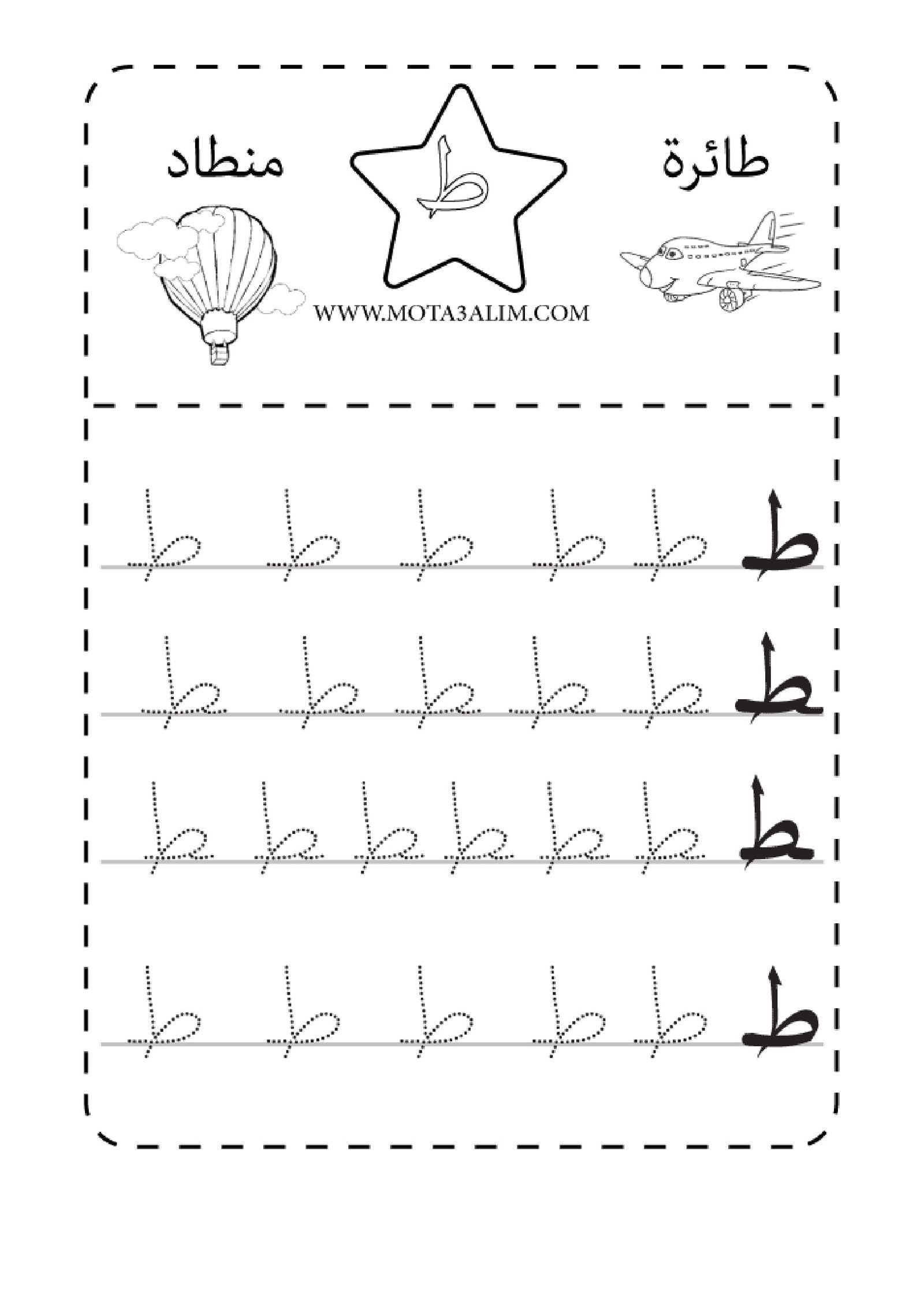
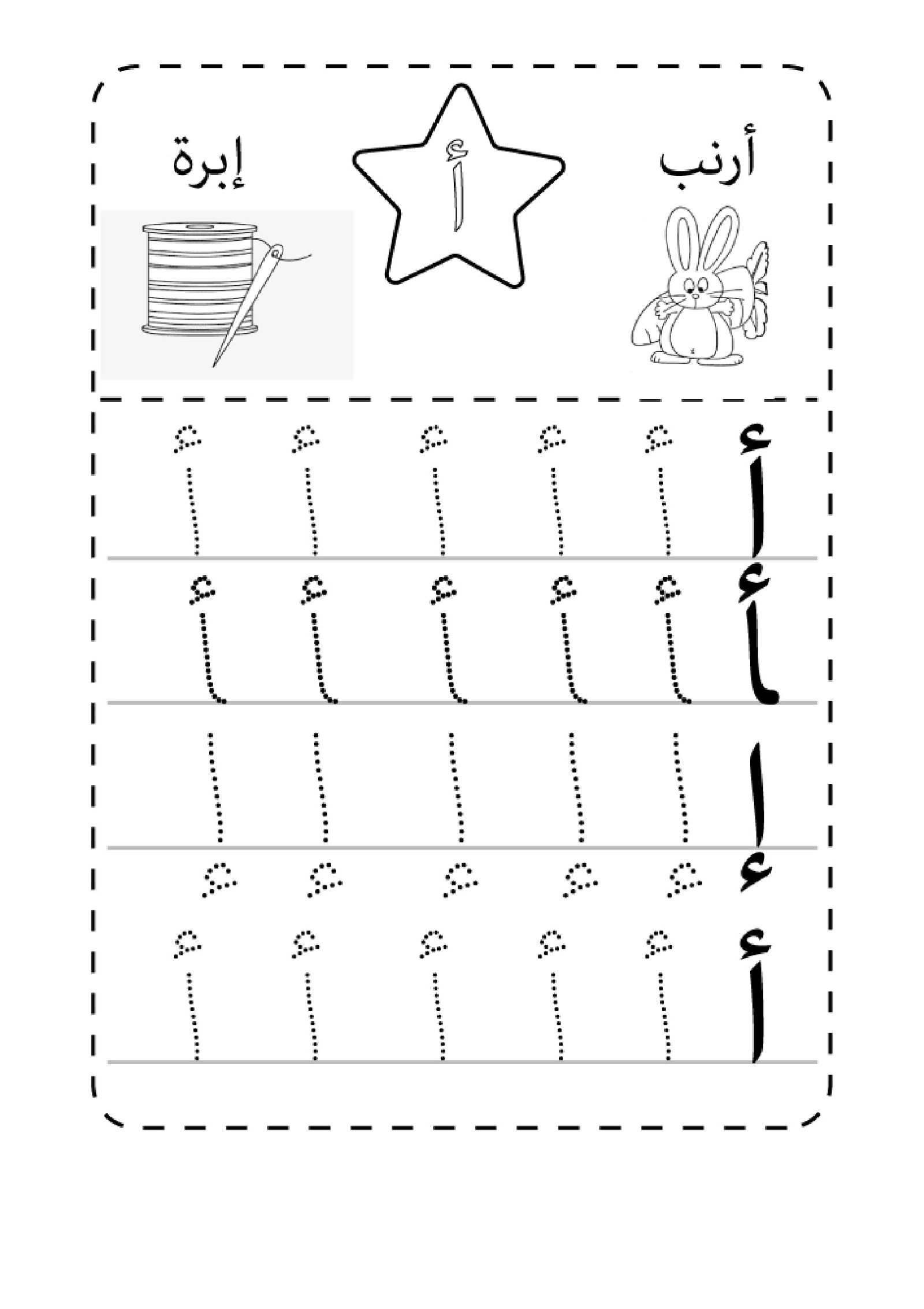
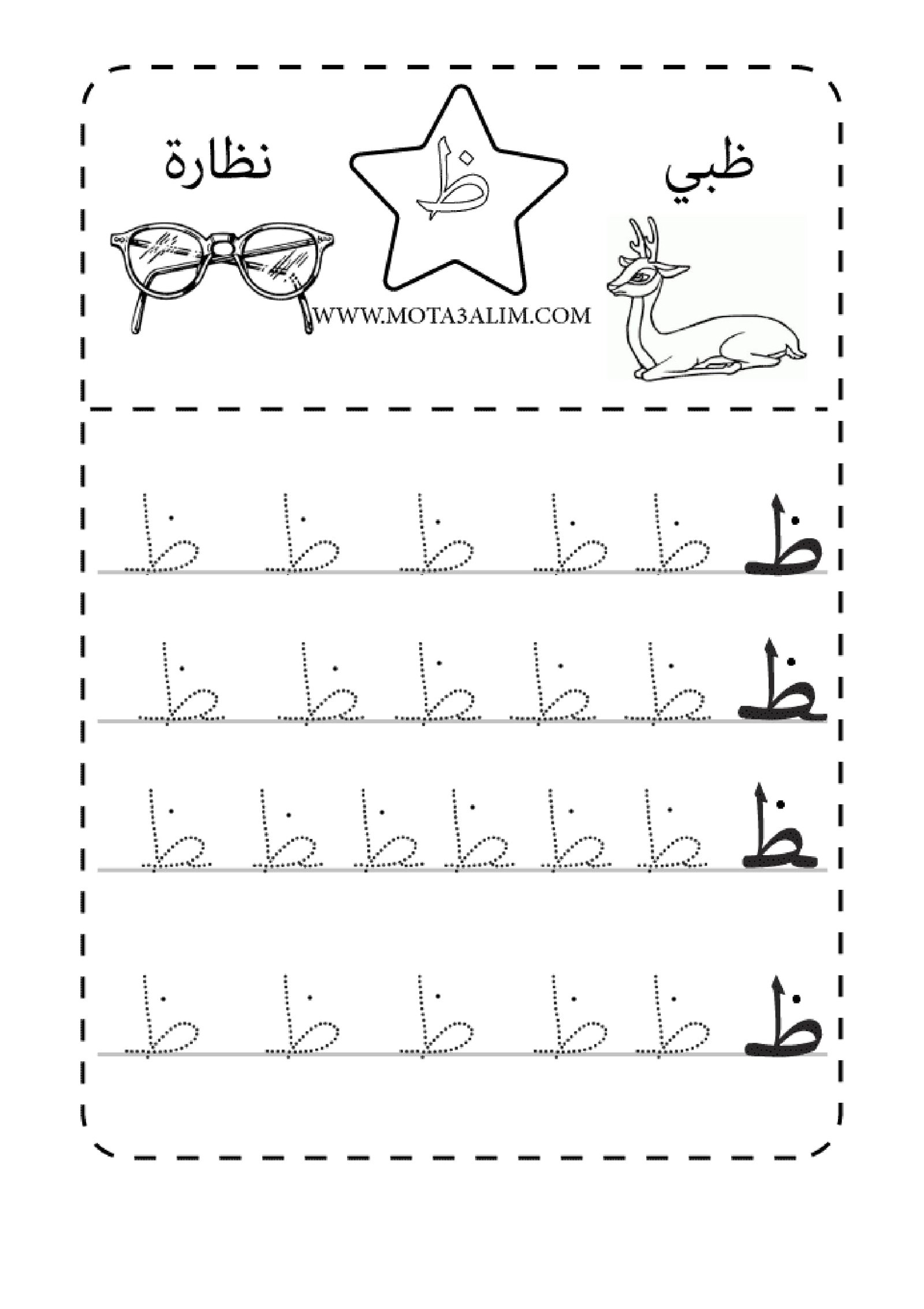
- Dotted Tracing Rows: Wide, ruled handwriting rails featuring progressive dotted outlines that guide pen strokes and correct proportions.
- Illustrative Picture Cues: Engaging visual prompts connecting each positional form to everyday vocabulary words children recognize easily.
- Ready-to-Print Classroom & Home PDF: An ink-conscious, zero-prep digital format engineered for preschool morning work, elementary handwriting centers, or homeschool practice.
Practical Home Tips for Letter Forms Success
To make cursive letter practice an encouraging, enjoyable routine with your learner, try these creative parent tips:
- The “Holding Hands” Metaphor: Tell kids that Arabic letters are best friends who love holding hands—initial letters reach out their left hand, medial letters stretch out both hands, and final letters hold on while resting their tail.
- Rainbow Color Tracing: Have your child trace the initial form in red, the medial form in green, and the final form in blue to visually emphasize positional shifts.
- Playdough Letter Sculpting: Shape letters out of playdough, having your child pinch off the “tail” to turn a stand-alone letter into its connecting initial form.
Images from Arabic Letter Forms Worksheets for Kids
Arabic Letter Forms Worksheets for Kids: The Complete Cursive Positions & Tracing Guide
For easy, free direct downloading, the memorandum was also displayed in PDF format. We presented this file to you from the kidslearningarabic blog If it indicated that there was an error. I hope you will leave that in the comments below.
Read also in Arabic: Arabic Letter Forms Worksheets for Kids: The Complete Cursive Positions & Tracing Guide