
Arabic letter Kaaf worksheets for kids turn one of the biggest surprises in the Arabic alphabet into an exciting puzzle young learners love to solve. Most characters keep their basic silhouette whether they stand alone or link arms with neighbors. Kaaf (ك), however, pulls off an amazing magic trick: in its isolated form, it looks like a tall-walled boat carrying a tiny miniature Kaaf (often mistaken for a Hamzah) inside its belly. But the moment it joins a word, it transforms into an open, angled lightning bolt leaning forward along the baseline.
Demystifying this double identity through playful visual association keeps early penmanship exciting and completely stress-free.
Decoding the Dual Look: Standalone vs. Connected
Understanding why Kaaf looks so different in different places helps children spot it instantly while reading:
- The Tall Harbor Boat (Isolated Form): A long, flat baseline tray with a high vertical wall on the right and a tiny little curved Kaaf mark nestled safely in the center.
- The Slanted Crane Arm (Initial and Medial Form): When holding hands, the letter drops the wide basin and switches to a diagonal roof stroke that bends sharply down to the line before reaching forward.
- The Smooth Baseline Glide: In all its variations, Kaaf never dips beneath the line, giving developing hands a steady, predictable surface to trace.
- The Dot-Free Cleanliness: Carrying zero dots keeps it easy to distinguish from dotted partners like Faa and Qaaf.
Light and Crisp Phonics: Pronouncing Kaaf with Ease
Unlike the deep, back-of-the-throat pop of Qaaf, the sound of Kaaf is breezy, light, and completely natural for young English and bilingual speakers:
- The “Tick-Tock Clock” Click: Have your child tap their tongue against the roof of the mouth near the front, making a crisp, light “K! K! K!” like the ticking of a clock.
- Soccer Ball Kick: Roll a soft toy ball (Koorah) across the floor, shouting out the clear initial sound every time your foot makes contact.
- Open the Storybook: Sit together with a favorite picture book (Kitaab), letting your learner point to the corners while tracing the tall back wall of Kaaf with their fingers.
What Makes This Practice Set Stand Out
These printable pages replace repetitive fill-in lines with purposeful visual challenges:
- Transformation Comparison Tracks: Side-by-side tracing panels that let kids practice both the standalone harbor shape and the connected diagonal arm on the same page.
- Miniature Mark Tracing Guides: Dedicated enlarged boxes to practice sketching the tiny inner symbol without squishing the outer frame.
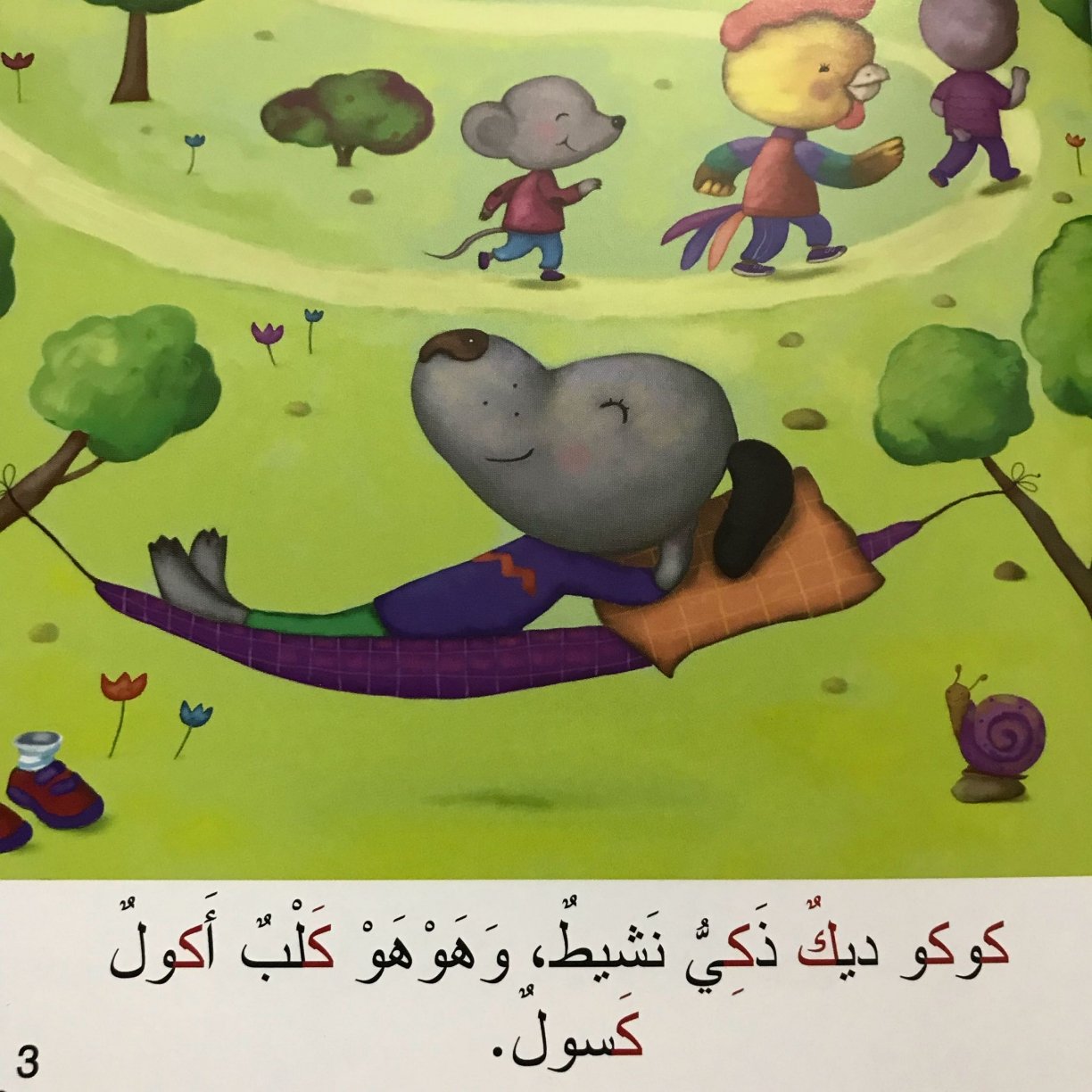
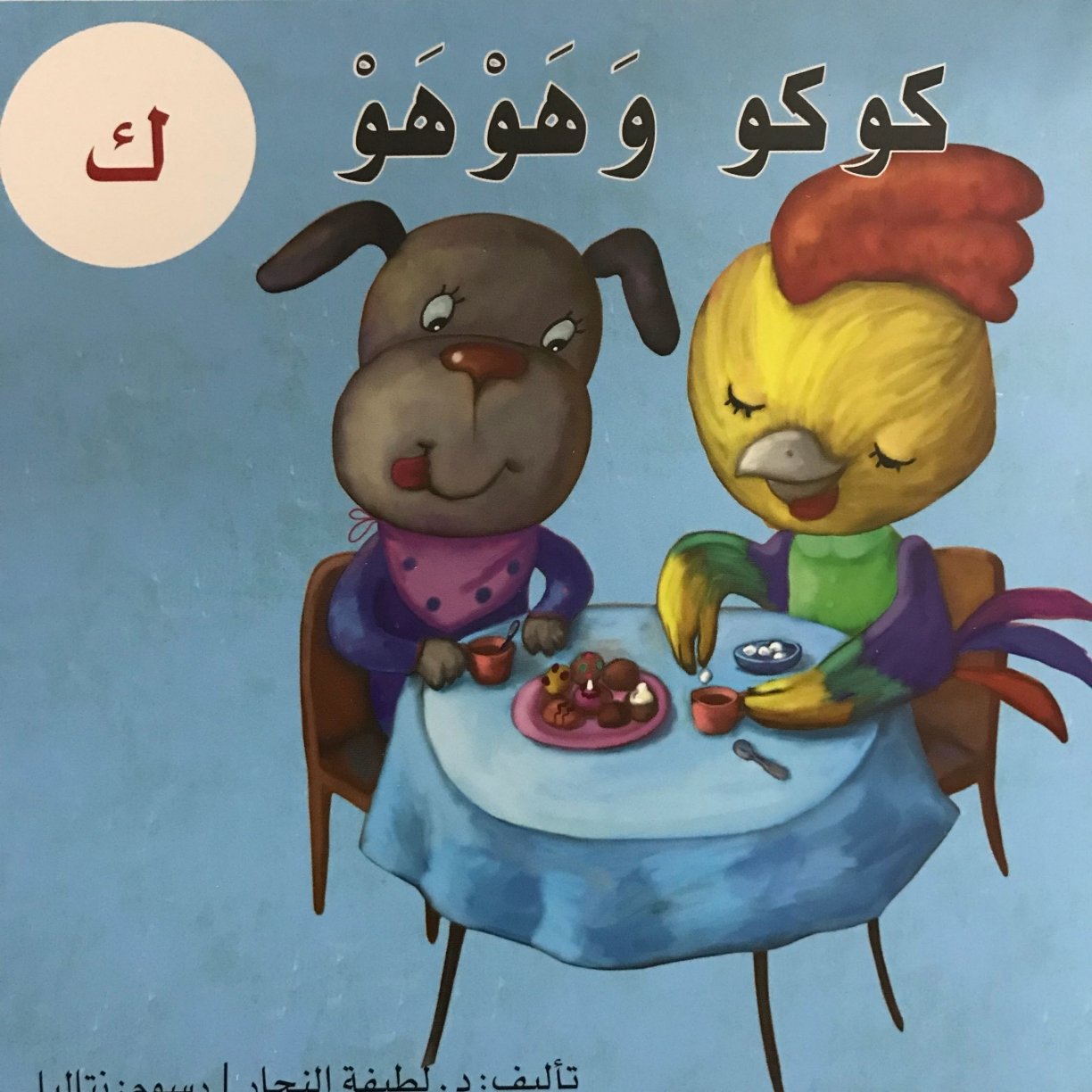
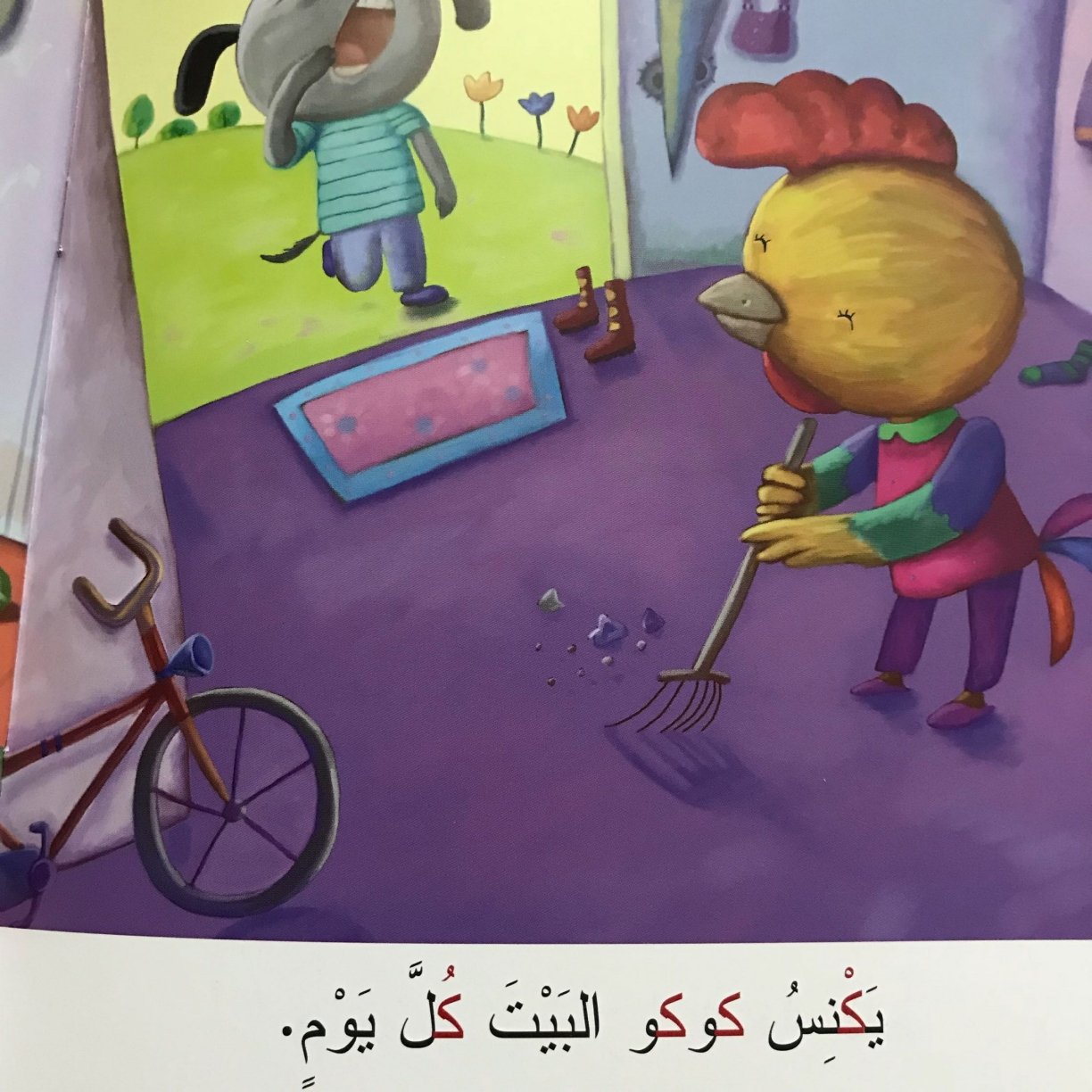
- Object Hunt Grids: Cheerful illustration scenes featuring familiar kid favorites like Kalb (puppy), Karaz (cherries), and Koob (mug).
- Ink-Friendly Layout: Crisp, bold lines formatted for standard home printers and sturdy enough for crayons, markers, and dot stickers.
Images from Arabic Letter Kaaf Worksheets for Kids
Arabic Letter Kaaf Worksheets for Kids: Unlocking the Shape-Shifter Character
For easy, free direct downloading, the memorandum was also displayed in PDF format. We presented this file to you from the kidslearningarabic blog If it indicated that there was an error. I hope you will leave that in the comments below.
Read also in Arabic: Arabic Letter Kaaf Worksheets for Kids: Unlocking the Shape-Shifter Character