
learning how letters change shape. Unlike English, Arabic is a cursive script where letters connect and transform depending on where they sit in a word. Helping early learners master Arabic letter positions —at the beginning, middle, and end of words—is the true secret to building fluent, confident readers.
To make this learning curve smooth and joyful, we are sharing an interactive, printable booklet designed specifically for parents and educators. Here is why focusing on letter forms matters, and how this resource can transform your child’s literacy journey.
Why Teaching Letter Positions Is Essential?
Recognizing standalone letters is only the first step. When children transition from isolated alphabets to actual words, they frequently get confused by connecting strokes.
Focusing directly on letter placement offers three distinct benefits:
- Decodes Word Structure: Children quickly recognize root letters even when joined inside complete words.
- Bridges Reading to Writing: Understanding beginning, medial, and final forms prevents awkward handwriting habits before they start.
- Accelerates Phonics Programs: It lays the ideal groundwork for structured curriculums like Noor Al-Bayan and Al-Qaida Al-Nooraniya.
What Makes This Practice Booklet Special?
Young learners thrive on visual clarity and playful design. This printable guide was carefully crafted to keep little hands and curious minds engaged:
- Clear Categorization: Every single alphabet letter is mapped out across its initial, medial, and final variations.
- Child-Friendly Layout: Vibrant colors and clear fonts capture attention without overwhelming sensory focus.
- Interactive Exercises: Includes tracing, recognition, and visual matching to boost memory retention.
- Zero Prep for Parents: Formatted as a convenient, ready-to-print PDF file you can use right away at home or in class.
How to Practice at Home?
To get the most out of your practice sessions, keep lessons short and consistent:
- Focus on One Letter at a Time: Don’t rush through the entire alphabet in one sitting. Introduce two or three letters per week.
- Use Multi-Sensory Play: Have your child trace the initial, medial, and final forms in sand trays or shape them with modeling clay before moving to paper.
- Point Them Out in Stories: While reading bedtime storybooks together, encourage your child to “hunt” for a specific letter sitting in the middle or end of words.
Images from Arabic Letter Positions
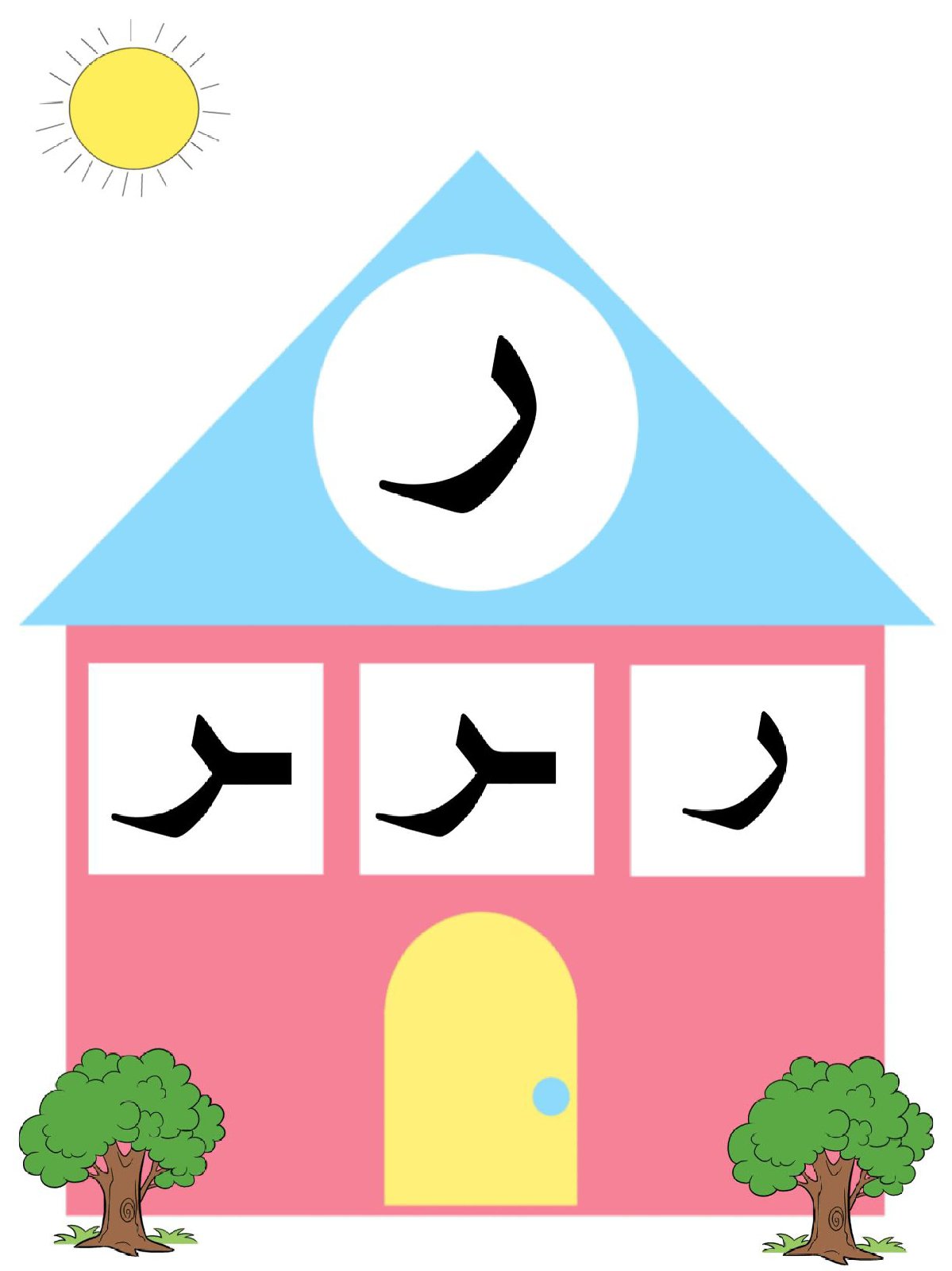
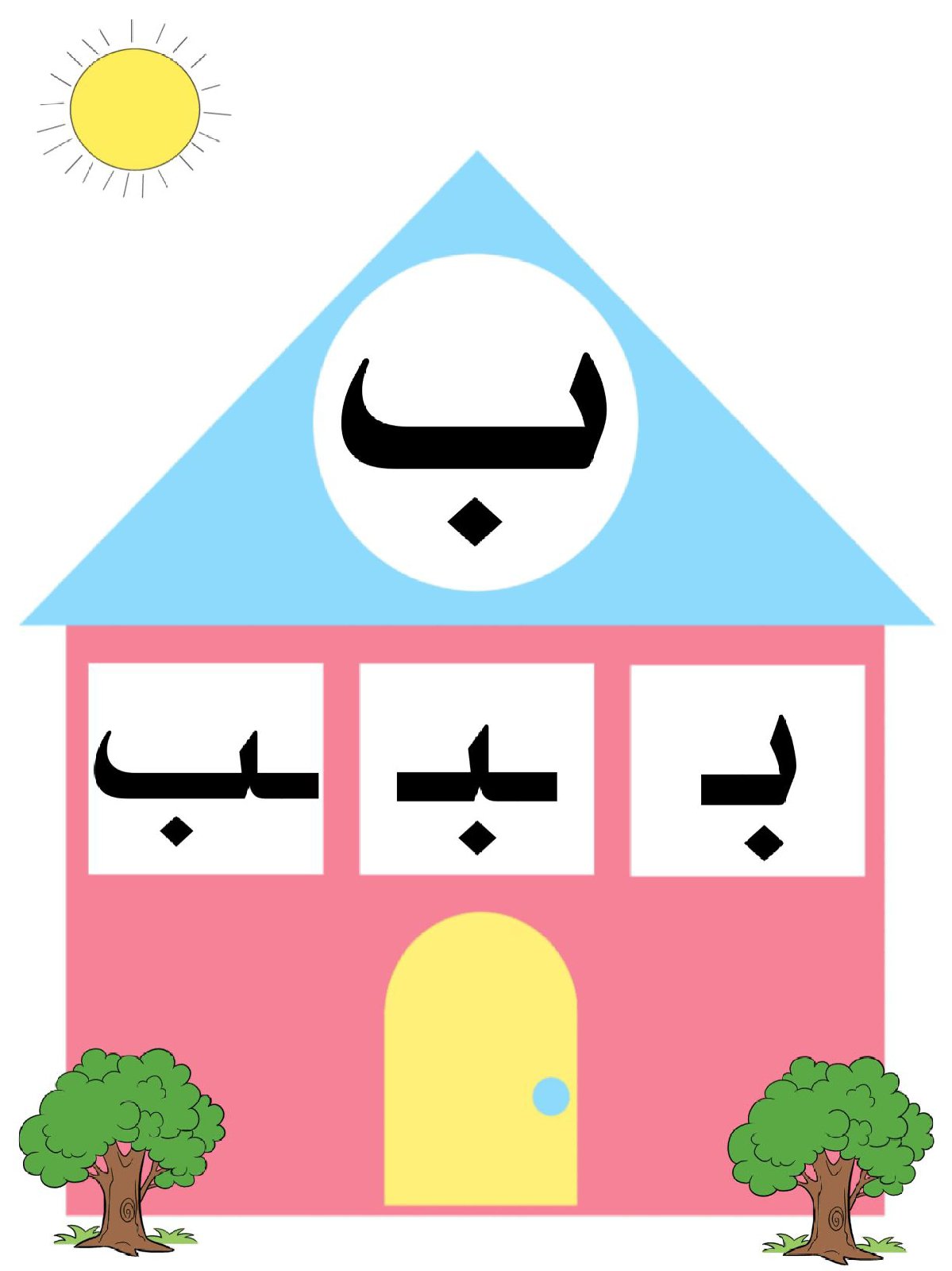
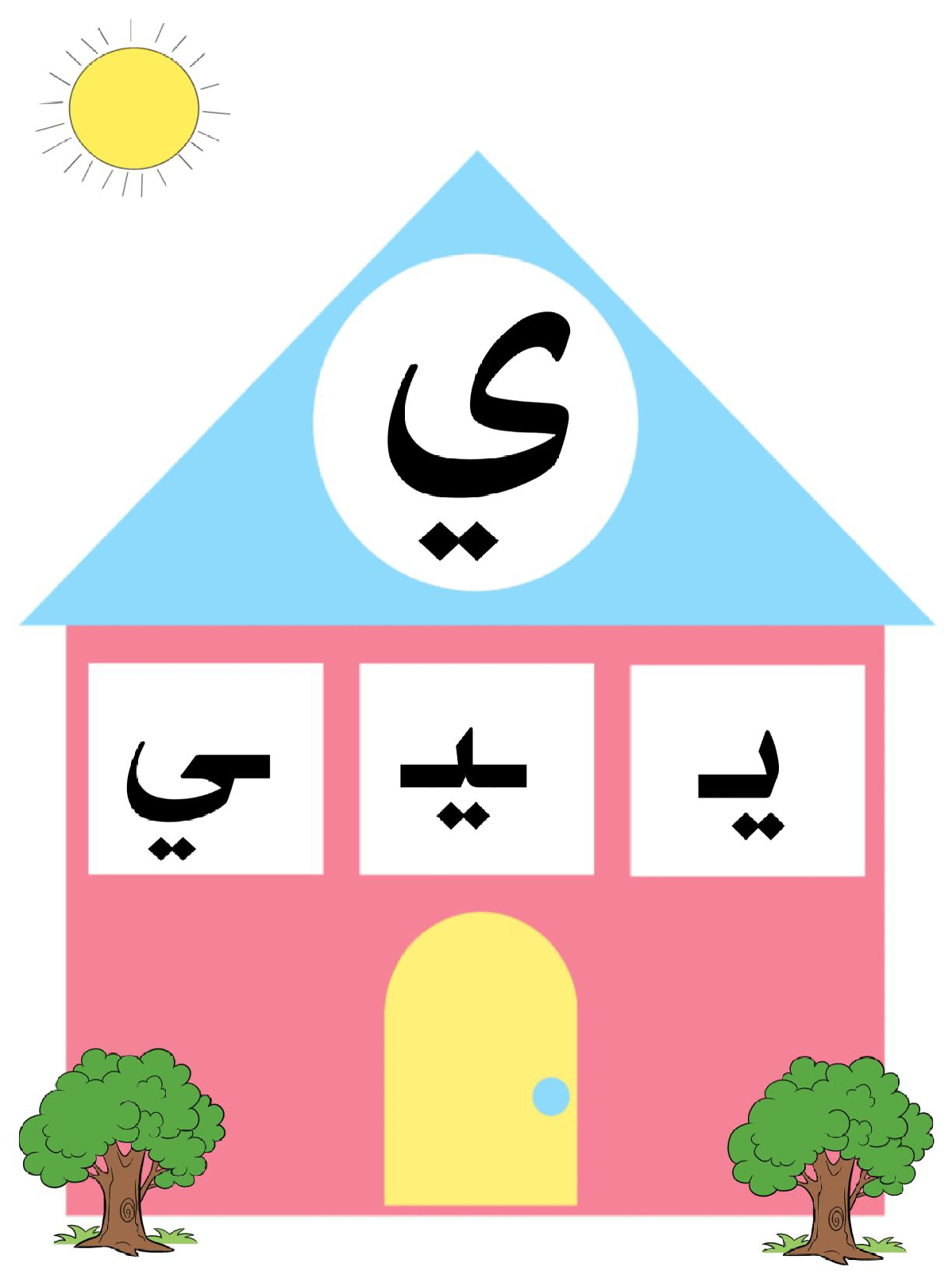
Arabic Letter Positions: The Ultimate Guide and Free Printable for Kids
For easy, free direct downloading, the memorandum was also displayed in PDF format. We presented this file to you from the kidslearningarabic blog If it indicated that there was an error. I hope you will leave that in the comments below.
Read also in Arabic: Arabic Letter Positions: The Ultimate Guide and Free Printable for Kids