
Arabic letters and numbers worksheets for kids provide a balanced, integrated learning experience where early phonics and foundational math go hand in hand. During preschool and kindergarten, a child’s cognitive development thrives when language patterns and mathematical concepts reinforce one another. Instead of separating handwriting drills from counting practice, combining alphabet characters with Arabic numerals (١, ٢, ٣…) helps young learners build holistic confidence across both core subjects.
Connecting letter sounds with counting objects creates a lively learning environment. Here is why an integrated dual-skill workbook forms the ideal foundation for early childhood school readiness.
Why Choose Arabic Letters and Numbers Worksheets for Kids?
Practicing regularly with Arabic letters and numbers worksheets for kids delivers key developmental and cognitive advantages:
- Fosters Cross-Disciplinary Connections: Bridges phonemic awareness with quantitative thinking through shared visual and motor tasks.
- Streamlines Daily Study Routines: Consolidates literacy and early numeracy into one convenient booklet, preventing study fatigue.
- Strengthens Visual Discrimination: Trains young eyes to distinguish between similar numerical shapes and alphabet curves effortlessly.
- Reinforces Right-to-Left Orientation: Establishes steady directional consistency for writing both Arabic script and counting sequences.
Inside This Dual-Skill Practice Pack
Designed thoughtfully to balance playful discovery with structured foundational benchmarks, this printable booklet delivers high-impact support:
- Dual-Track Tracing Guides: Crisp, dotted paths with directional arrows for mastering letters and corresponding Arabic numerals.
- Count-and-Match Illustrations: Fun picture sets that challenge learners to count familiar objects and match them to the correct numeral and initial letter.
- Spacious Practice Grids: Generous line heights give developing hands comfortable room to write without feeling cramped.
- Instant Ready-to-Print PDF: A zero-prep resource tailored for preschool morning baskets, kindergarten activity centers, or homeschool desks.
Practical Home Tips for Dual-Skill Success
To make integrated learning a cheerful, engaging routine with your learner, try these creative parent tips:
- The “Count and Name” Game: Lay down a number card next to a letter card, asking your child to gather that exact number of objects starting with the target letter sound.
- Finger-Trace in Cornmeal: Pour a thin layer of cornmeal on a tray and invite your learner to draw a letter followed by its rhyming number partner.
- Number-Step Hop: Draw numbers on the floor with chalk or tape; have your child jump to the number called while shouting out the day’s letter sound.
Images from Arabic Letters and Numbers Worksheets for Kids
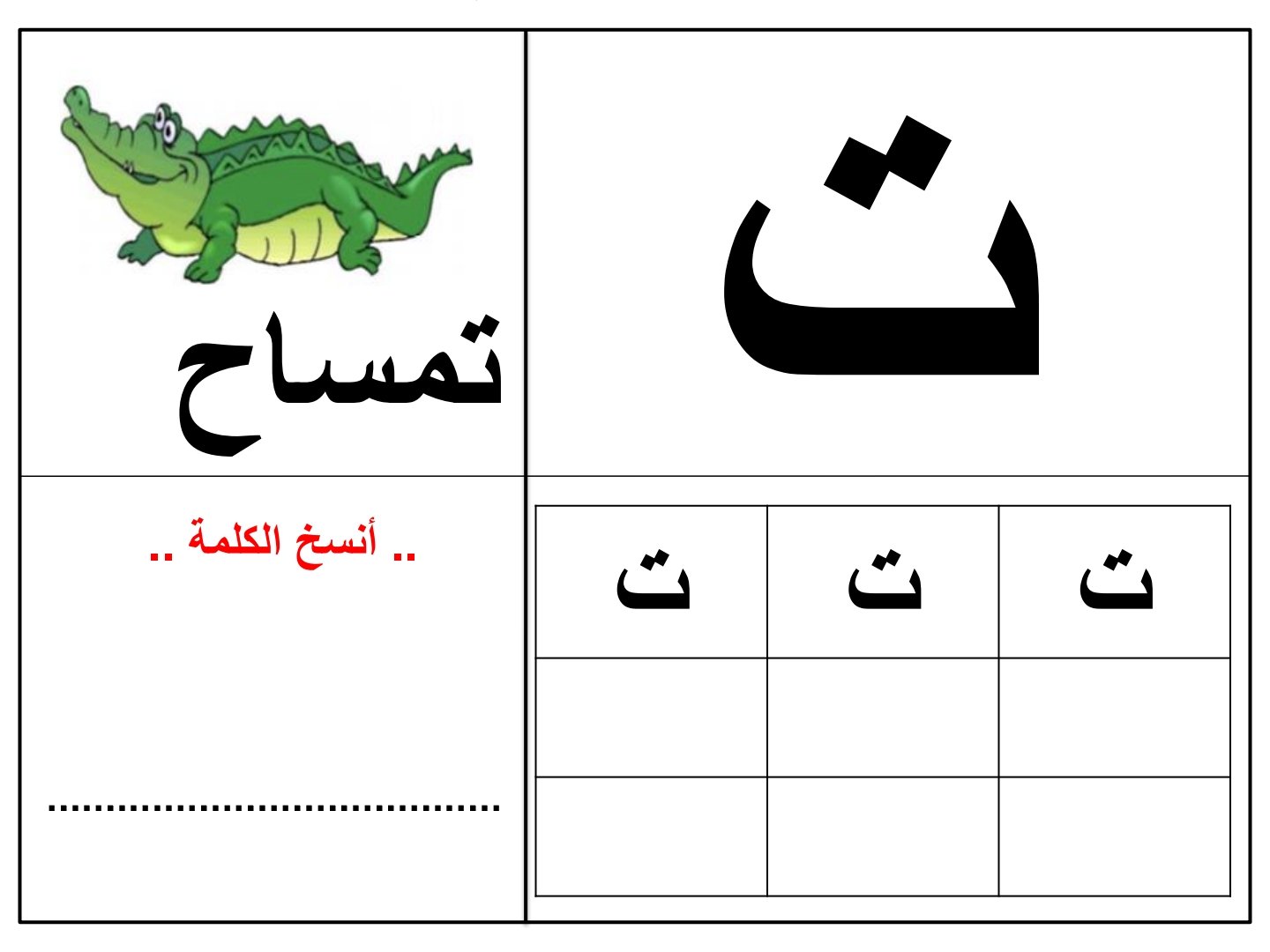
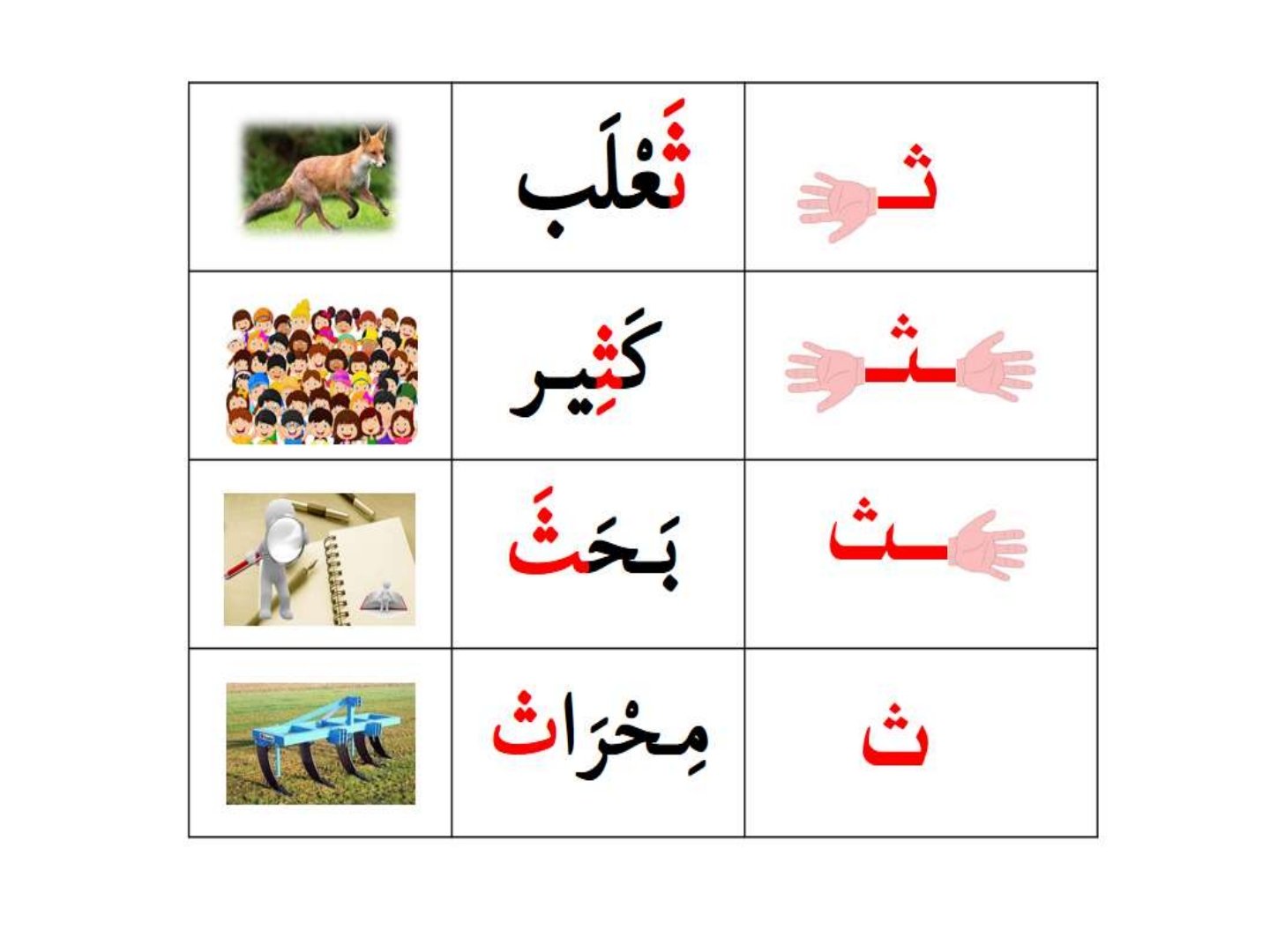
Arabic Letters and Numbers Worksheets for Kids: The Dual-Skill Learning Guide
For easy, free direct downloading, the memorandum was also displayed in PDF format. We presented this file to you from the kidslearningarabic blog If it indicated that there was an error. I hope you will leave that in the comments below.
Read also in Arabic: Arabic Letters and Numbers Worksheets for Kids: The Dual-Skill Learning Guide