
Using my Arabic letters book for kids pdf is one of the most engaging and personal ways to introduce early learners to the Arabic language. When children feel ownership over their own foundational workbook—a dedicated book that belongs entirely to them—learning shifts from an everyday chore into a proud milestone. Navigating the 28 Arabic letters requires an intuitive progression that blends visual recognition, phonics sounds, guided stroke tracing, and creative coloring into one cohesive experience.
Whether you are designing a full-term preschool curriculum, creating an inviting homeschool learning corner, or looking for an all-in-one resource to give your kindergartener a head start, this printable book provides the clarity, structure, and joy young minds need to thrive.
Why Choose Our My Arabic Letters Book for Kids PDF?
A well-organized workbook creates a steady, reassuring routine for little learners. Here is why parents and early childhood educators rely on this my Arabic letters book for kids pdf:
- Complete Alphabetical Continuum: Takes your child step by step through every letter from Alif to Yaa in standard, logical order.
- Integrated Phonics & Handwriting: Combines visual letter exploration and auditory sound isolation with guided dotted tracing and independent pencil lines.
- Clear Baseline Guides: Ruled writing tracks teach proper letter proportions, showing which loops rest on the line and which curved tails dip below.
- Vibrant Visual Anchors: Every letter page features adorable, child-friendly illustrations paired with vocalized (Tashkeel) Arabic vocabulary words to model accurate pronunciation.
Key Foundations Your Child Will Build
Practicing consistently with this my Arabic letters book for kids pdf nurtures essential early language milestones:
- Letter Shape Familiarity: Memorizing the unique curves, stems, and dot placements across sister letters with total confidence.
- Phonetic Decoding & Pronunciation: Linking the visual outline of each character directly to its authentic spoken sound in standard classical Arabic (Fus’ha).
- Pencil Grip & Fine Motor Precision: Building finger muscle endurance and proper hand posture through guided stroke paths and neat copying rows.
- Pride in Independent Writing: Watching their own handwriting progress from tracing dotted lines to writing neat Arabic letters independently.
Practical Ways to Structure Daily Practice
A gentle, consistent daily habit produces the best long-term retention:
- Short 10-to-15-Minute Lessons: Focus on one letter page per day; calm, steady practice builds far deeper retention than rushing through multiple sheets at once.
- Finger-Trace Before Writing: Have your child glide an index finger over the large sample letter first to memorize the stroke movement and direction.
- Make It Reusable: Slide the pages into clear plastic sheet protectors so children can trace with dry-erase markers and practice as many times as they want.
Color as a Reward: Let your child color in the illustrated vocabulary word after finishing their handwriting lines to end each lesson on a fun, creative note.
Images from My Arabic Letters Book for Kids PDF
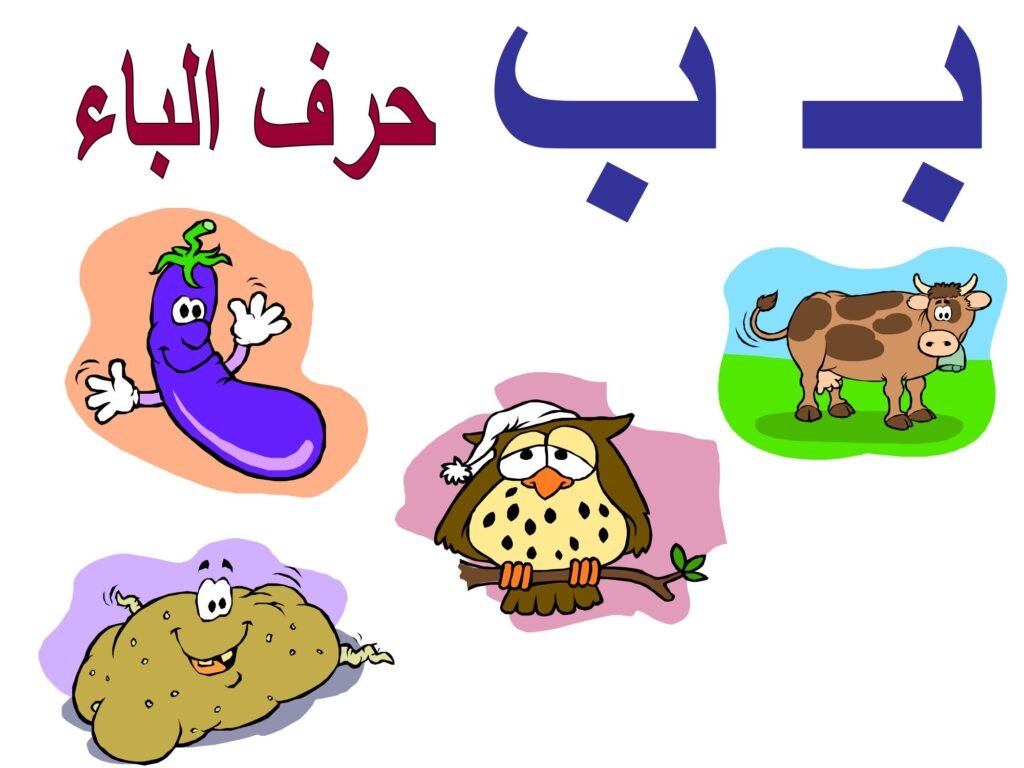
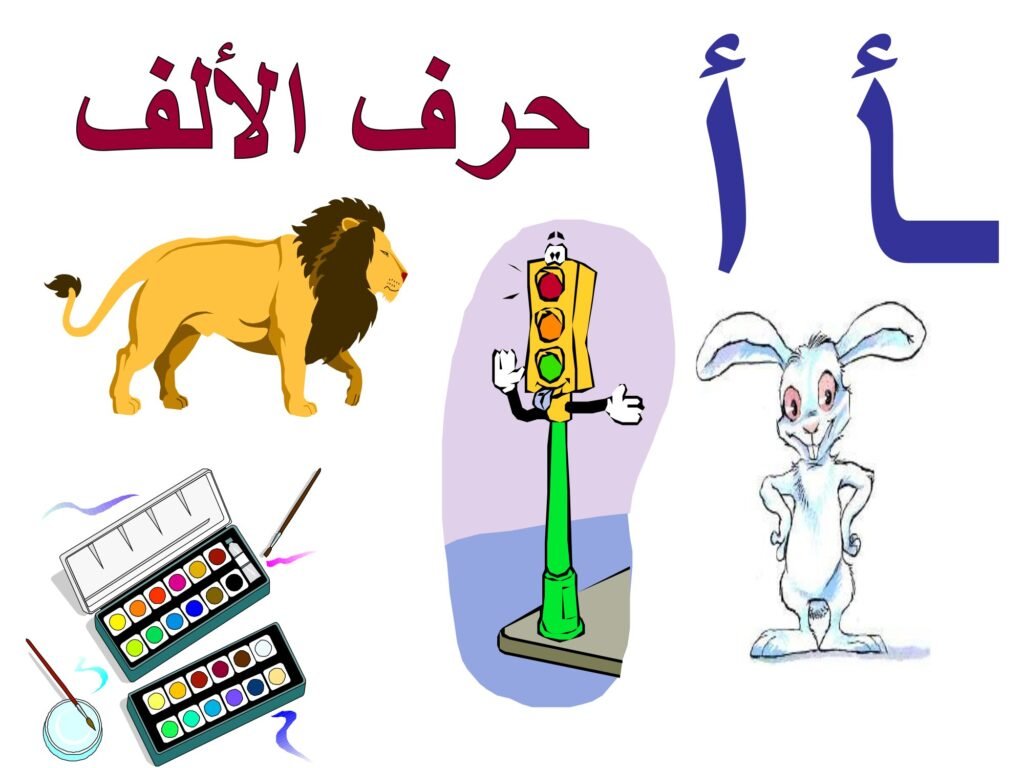

My Arabic Letters Book for Kids PDF: The Complete Hands-On Alphabet Guide
For easy, free direct downloading, the memorandum was also displayed in PDF format. We presented this file to you from the kidslearningarabic blog If it indicated that there was an error. I hope you will leave that in the comments below.
Read also in Arabic: My Arabic Letters Book for Kids PDF: The Complete Hands-On Alphabet Guide