
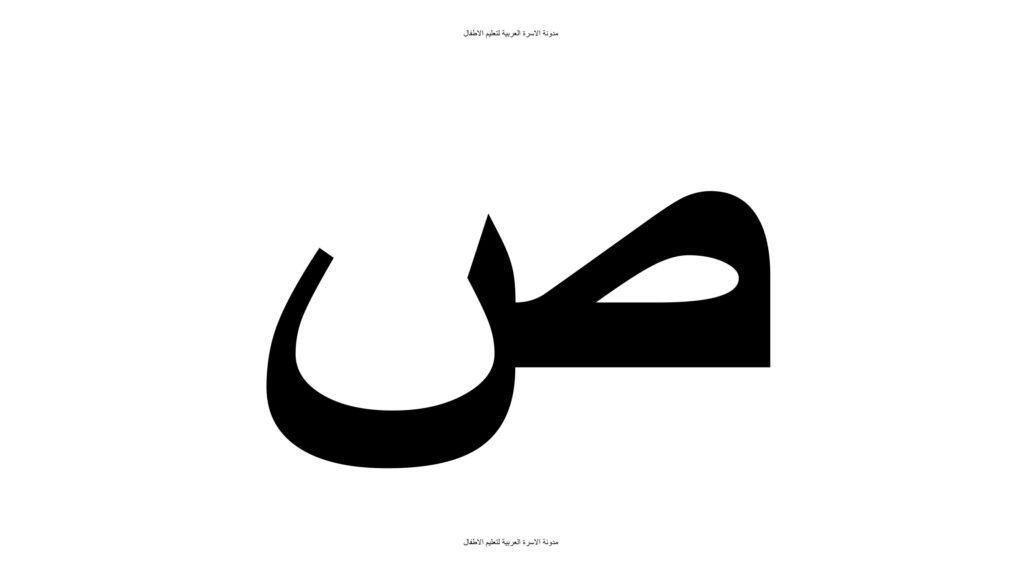
Teaching the Arabic letter Saad to kids is an exciting milestone in early language learning, but it also calls for a thoughtful approach to pronunciation and shape recognition. As one of the heavy, emphatic sounds (Mufakhkham) in the Arabic alphabet, the letter Saad (ص) requires little learners to shape their mouths differently to distinguish it clearly from the lighter letter Seen (س).
When you combine phonetic clarity with playful stories, tactile tracing, and relatable pictures, children master both the unique sound and the distinct looped shape of letter Saad with ease and enthusiasm.
Why Is Teaching the Arabic Letter Saad to Kids Unique?
Because letter Saad has distinct phonetic and structural features, giving children focused, multi-sensory guidance helps them feel completely confident from the start:
- Emphatic Sound Distinction: Helps young ears differentiate between the deep resonance of Saad (like in Saqr – Falcon) and the lighter whisper of Seen (like in Samakah – Fish).
- Distinct Anatomical Shape: Features an iconic oval loop followed by a small upright tooth and a wide curved bowl when written in its isolated or final form.
- Positional Transformations: Shows how Saad connects its left arm at the beginning and stretches both arms in the middle of words without losing its tiny signature tooth.
- Multi-Sensory Connections: Pairs the letter with tactile exercises, coloring spaces, and everyday vocabulary words.
The Four Stages of Mastering Letter Saad
When teaching the Arabic letter Saad to kids, following a structured step-by-step path prevents confusion and builds lasting memory:
- Phonetic Pronunciation: Showing children how to round the back of their mouth slightly to produce the full, strong “Sss” sound.
- Short Vowel Sounds (Harakat): Practicing Saad with Fatha (صَ – Sa as in Saqr), Damma (صُ – Su as in Sunduq / Box), and Kasra (صِ – Si as in Siniyyah / Tray).
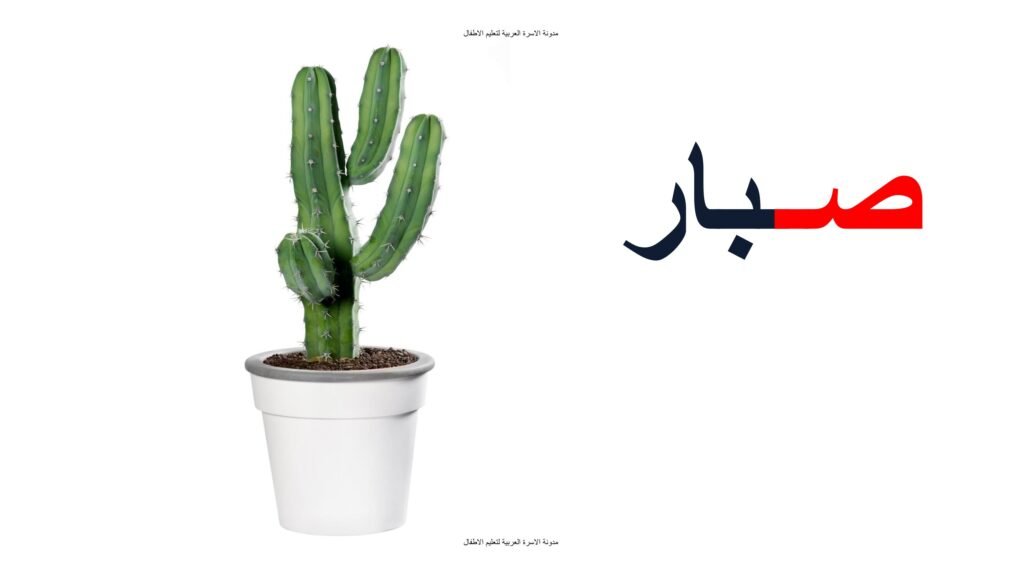
- Tracking Letter Positions: Observing how Saad looks at the start (صـ), in the middle (ـصـ), and at the end (ـص / ص).
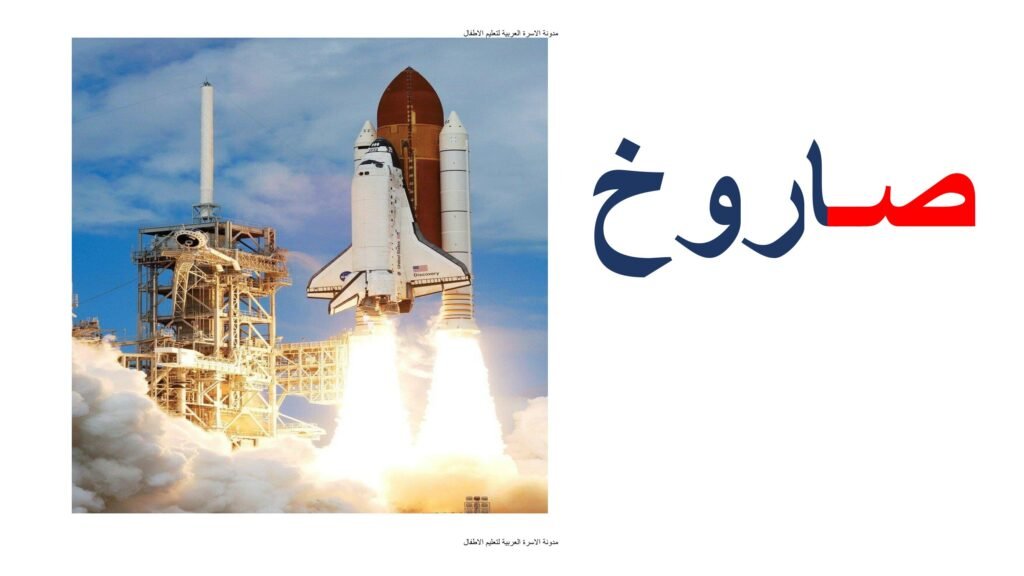
- Vocabulary & Meaning: Linking the sound to memorable words like Soof (wool), Saboon (soap), and Sarookh (rocket).
Engaging Activities for Home and the Classroom
Keep your learning time light, interactive, and rewarding with these simple, low-prep exercises:
- The Heavy Voice Mirror Game: Hand your child a mirror and practice alternating between a light smile for Seen and a deeper, rounded mouth shape for Saad.
- Playdough Loops & Teeth: Have children roll dough into ropes to shape the wide loop, raise the little tooth, and sculpt the deep bowl of letter Saad.
- The Sound Detective Hunt: Call out a mixture of words and ask your child to clap only when they hear the strong Saad sound.
- Dot & Tooth Tracker: Encourage kids to trace the letter with a highlighter to reinforce that Saad never loses its tiny vertical tooth when joining other letters.
Download Your Free Letter Saad Printable Worksheets (PDF)
Ready to make teaching the Arabic letter Saad to kids an enjoyable and memorable adventure? Click the direct download button below to get your complete set of printable tracing sheets, coloring pages, and picture flashcards. Print your copy, grab your crayons, and celebrate your child’s growing reading fluency
Images from Teaching the Arabic Letter Saad to Kids
Teaching the Arabic Letter Saad to Kids: The Complete Fun & Phonics Guide
For easy, free direct downloading, the memorandum was also displayed in PDF format. We presented this file to you from the kidslearningarabic blog If it indicated that there was an error. I hope you will leave that in the comments below.
Read also in Arabic: Teaching the Arabic Letter Saad to Kids: The Complete Fun & Phonics Guide